
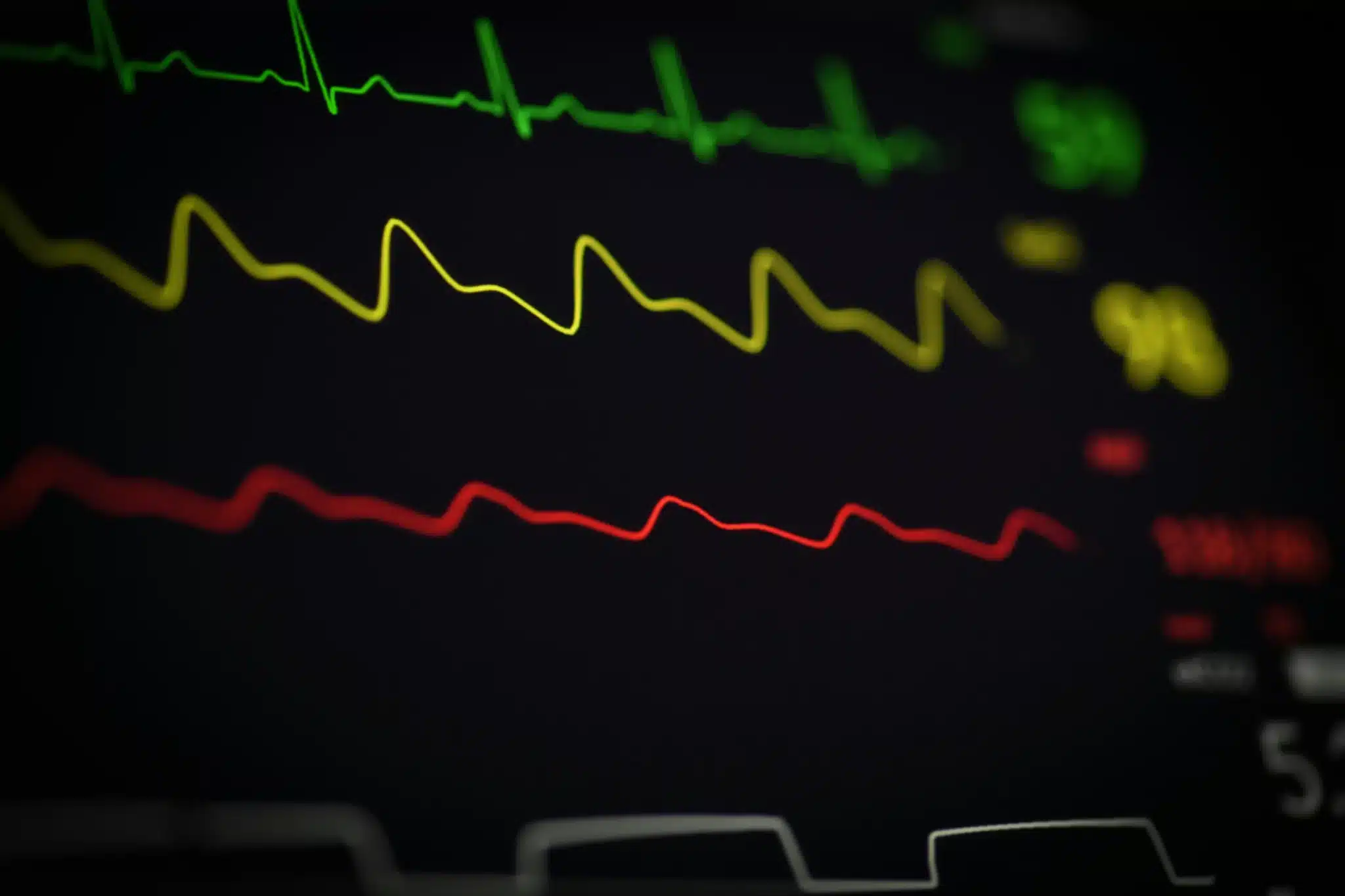



Holiday heart syndrome is an irregular heartbeat, most often atrial fibrillation, that develops after heavy or binge drinking, often in people with no known heart disease. It earned its name because emergency rooms see more cases after weekends and holidays. Most episodes settle once drinking stops; however, repeat episodes can signal a deeper problem with alcohol.
The season between Thanksgiving and New Year’s Day is full of office parties, family dinners, and champagne toasts. In fact, roughly one-quarter of yearly distilled spirits sales happen during this stretch, according to a clinical review published by the National Library of Medicine. As a result, cardiologists and emergency doctors see a predictable rise in alcohol-related heart rhythm problems every winter.
For most people, a racing or fluttering heart after a night of drinking is frightening but temporary. Even so, holiday heart syndrome is a warning sign worth taking seriously. Below, we explain what causes it, which symptoms need emergency care, and why repeated episodes may mean it is time to talk with someone about your drinking.
What Causes Holiday Heart Syndrome?

Holiday heart syndrome is caused by drinking a large amount of alcohol in a short period of time. Doctors first described the pattern in 1978, after researchers noticed 24 patients hospitalized with atrial fibrillation following weekend binges, as the StatPearls review on PubMed notes. Since then, the link between binge drinking and arrhythmias has been confirmed many times over.
How Does Alcohol Disrupt Your Heart Rhythm?
Your heartbeat depends on a steady electrical signal. Alcohol, however, interferes with that signal in several ways at once. For instance, heavy drinking activates the body’s stress response, which speeds up the heart and makes it more irritable. At the same time, alcohol acts as a diuretic, so you lose fluids and key electrolytes like potassium and magnesium. Additionally, the toxic byproducts of alcohol metabolism can directly irritate heart muscle cells.
Because of these combined effects, the upper chambers of the heart can begin to quiver instead of contracting normally. Consequently, blood does not move through the heart as efficiently, which is why people feel weak, dizzy, or short of breath.
How Much Alcohol Triggers Holiday Heart Syndrome?
The classic trigger is binge drinking. The National Institute on Alcohol Abuse and Alcoholism defines binge drinking as a pattern that raises blood alcohol concentration to 0.08% or higher. For a typical adult, that usually means about four drinks for women or five drinks for men within roughly two hours.
That said, binges are not the only risk. A 2021 study published in Annals of Internal Medicine followed 100 people with intermittent atrial fibrillation. Remarkably, a single drink was linked to about twice the odds of an AFib episode within the next four hours, and two or more drinks raised the odds more than threefold. In other words, the more someone drinks, the greater the risk.
What Are the Symptoms of Holiday Heart Syndrome?
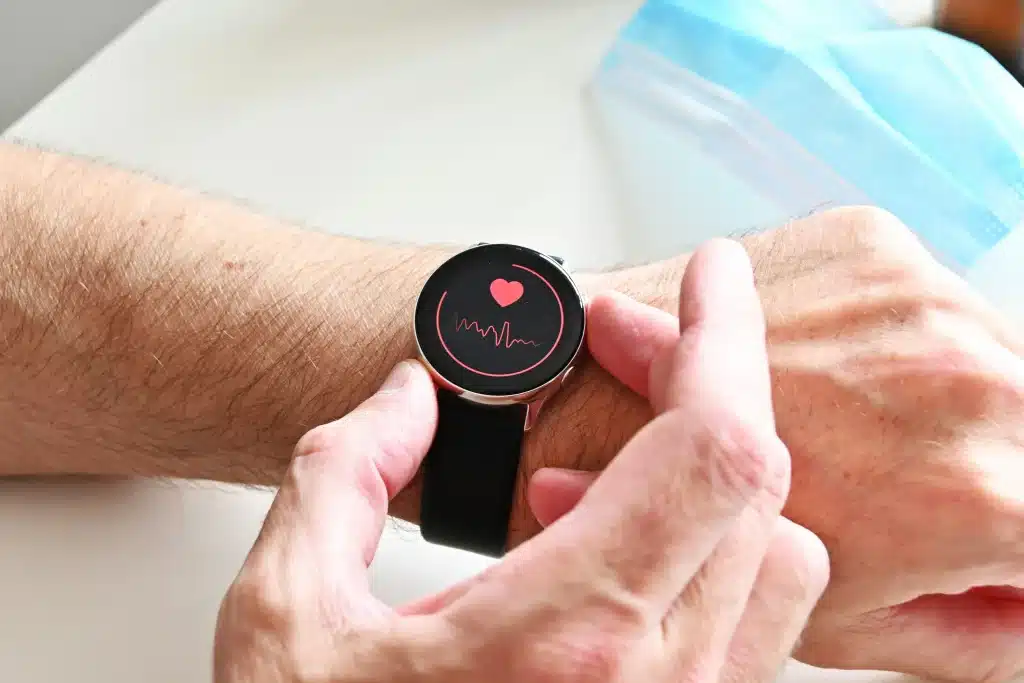
Symptoms of holiday heart syndrome often appear the morning after drinking rather than during the party itself. In fact, the StatPearls review notes that alcohol-related atrial fibrillation frequently shows up 12 to 36 hours after a binge ends. Common symptoms include:
- A racing, pounding, or fluttering heartbeat
- A pulse that feels irregular or “skips”
- Fatigue or unusual weakness
- Dizziness or lightheadedness
- Shortness of breath
- Chest discomfort or pressure
Notably, some of these symptoms overlap with a hangover or with anxiety. For that reason, many people dismiss them. However, an irregular pulse is different from simple nausea or a headache, and it deserves medical attention.
When Is Holiday Heart Syndrome an Emergency?
Call 911 right away if you or someone else has chest pain, fainting, severe shortness of breath, or confusion. Likewise, seek emergency care for any sign of stroke, such as facial drooping, arm weakness, or slurred speech. Atrial fibrillation allows blood to pool in the heart, which can lead to clots. Therefore, even a short episode should be checked by a doctor, especially if it is your first one.
You May Also Enjoy: Alcohol Withdrawal Risks: Can Withdrawal Cause a Heart Attack or Stroke?
Is Holiday Heart Syndrome Dangerous?
In many cases, holiday heart syndrome resolves on its own within a day or two after a person stops drinking. Still, “usually temporary” is not the same as “harmless.” According to the StatPearls review, alcohol is a precipitating factor in roughly 35% to 62% of atrial fibrillation cases seen in emergency departments. Moreover, atrial fibrillation of any cause raises the risk of stroke and heart failure over time.
The bigger concern is repetition. Each binge gives the heart another chance to slip out of rhythm. Over months and years, heavy drinking can also change the structure of the heart itself. A 2020 review in Current Cardiology Reports found that habitual drinking is tied to harmful remodeling of the heart’s upper chambers and a higher chance of AFib returning.
Who Is Most at Risk?
Anyone who binge drinks can develop holiday heart syndrome, including young adults with healthy hearts. However, the risk climbs for people who:
- Drink heavily on a regular basis, not just during the holidays
- Have high blood pressure, diabetes, or sleep apnea
- Already have a history of atrial fibrillation or other heart conditions
- Combine alcohol with poor sleep, dehydration, or stimulants
People often describe the experience as a turning point. For example, one member of Reddit’s atrial fibrillation community shared this advice in a thread titled “Anxiety after AFIB episode”:
“My Cardiologist called it ‘Holiday Heart’ Afib after drinking too much 9 months ago. QUIT DRINKING is the best advice anyone can give you.”
, u/totalljj, r/AFIB
What Does Holiday Heart Syndrome Say About Your Drinking?
One episode does not automatically mean someone has an alcohol use disorder. Nevertheless, holiday heart syndrome is a clear sign that alcohol is affecting your body in a measurable way. It is worth asking a few honest questions:
- Do you regularly drink more than you planned to?
- Have you tried to cut back but found it hard to stick with?
- Do you feel shaky, anxious, or sweaty when you stop drinking?
- Have you kept drinking even after a health scare?
If you answered yes to any of these, the heart episode may be pointing to a larger pattern. Importantly, research shows that cutting back makes a real difference. In a 2020 randomized trial in The New England Journal of Medicine, regular drinkers with AFib who abstained from alcohol had fewer recurrences than those who kept drinking, about 53% compared with 73% over six months.
Why Quitting Suddenly Can Also Strain the Heart
Here is the difficult part. For someone who drinks heavily every day, stopping abruptly can trigger alcohol withdrawal. Withdrawal itself raises heart rate and blood pressure, and severe cases can lead to seizures or delirium tremens. In other words, the body that just experienced holiday heart syndrome may face a second stressor during withdrawal. That is exactly why medically supervised detox matters for people with physical dependence.
You May Also Enjoy: What Are the Dangers of Quitting Alcohol Cold Turkey Without Medical Detox?
How Can You Prevent Holiday Heart Syndrome?
The most reliable way to prevent holiday heart syndrome is to avoid binge drinking altogether. Beyond that, a few practical habits can lower your risk during the holiday season:
- Set a limit before the event. Decide how many drinks you will have, or whether you will drink at all, before you arrive.
- Alternate with water. Staying hydrated helps protect your electrolyte balance.
- Eat a real meal. Drinking on an empty stomach raises blood alcohol levels faster.
- Protect your sleep. Similarly, exhaustion and late nights add stress to the heart.
- Bring a non-alcoholic option. Having something in your hand makes it easier to decline refills.
- Watch for warning signs. If your heart races or flutters after drinking, stop and get checked.
Of course, these tips work best for people who can stop when they want to. If cutting back keeps falling apart, or if you feel sick when you stop, then willpower alone is rarely enough. In that case, professional support is the safer path.
How Is Holiday Heart Syndrome Treated?
In the emergency room, doctors typically confirm the rhythm with an EKG, monitor the heart, correct fluids and electrolytes, and sometimes use medication to slow or reset the heartbeat. Afterward, most patients are told the same thing: avoid future binges. However, for many people the real treatment is addressing the drinking itself. Otherwise, the next holiday, wedding, or stressful week can bring the same symptoms back.
If you are physically dependent on alcohol, the first step is usually a medically supervised detox. Detox helps your body clear alcohol safely while clinicians track your heart rate, blood pressure, and withdrawal symptoms. Then, ongoing counseling and support help you build a life where alcohol no longer controls your health.
You May Also Enjoy: Medical Alcohol Detox in Georgia: 7 Signs You Need Professional Help
Outpatient Alcohol Detox in Marietta, GA
If holiday heart syndrome has made you rethink your drinking, Cobb Outpatient Detox can help you take the next step without putting your life on hold. Our outpatient alcohol detox program in Cobb County provides medically supervised care while you continue living at home, working, and caring for your family.
From our center at 811 Livingston Court in Marietta, Georgia, our team offers:
- Medical oversight during withdrawal. Through our withdrawal management services, clinicians monitor your symptoms, including heart-related changes, throughout detox.
- Medication support when appropriate. Our medication-assisted treatment can ease withdrawal and reduce cravings.
- Flexible scheduling. Our outpatient detox model typically requires about an hour a day.
- A plan for what comes next. After detox, we help you transition into outpatient rehab and long-term recovery support.
In addition to Marietta, we proudly serve clients throughout Cobb County and metro Atlanta, including Kennesaw, Acworth, Woodstock, Douglasville, Dallas, Cartersville, and Atlanta. We also work with most major insurance plans, and you can verify your insurance online in minutes.
Not ready to call a treatment center yet? You can also explore confidential options through FindTreatment.gov, a locator run by SAMHSA.
Frequently Asked Questions About Holiday Heart Syndrome
How long does holiday heart syndrome last?
Most episodes of holiday heart syndrome resolve within 24 to 48 hours after drinking stops. However, some people need medication or a procedure to restore a normal rhythm, so any irregular heartbeat should be evaluated by a doctor.
Can holiday heart syndrome happen to young, healthy people?
Yes. In fact, holiday heart syndrome often appears in people with no known heart disease. Young adults who binge drink at parties, tailgates, or celebrations can experience it, too.
Can one night of drinking cause AFib?
It can. Research in people with existing AFib found that even one drink roughly doubled the odds of an episode within four hours. Meanwhile, a single heavy binge is the classic trigger for a first episode.
Will holiday heart syndrome come back?
It may, especially if heavy drinking continues. On the other hand, cutting back or quitting alcohol has been shown to lower the chance of AFib returning.
Should I stop drinking after an episode of holiday heart syndrome?
Most doctors recommend avoiding binge drinking at minimum, and many advise stopping completely. If you drink daily or heavily, though, talk with a medical provider first, because quitting abruptly can cause dangerous withdrawal.
Is holiday heart syndrome a sign of alcoholism?
Not necessarily. Still, it shows that alcohol is affecting your health. If episodes repeat or you struggle to cut back, an assessment for alcohol use disorder is a smart next step.
Take the First Step Toward a Healthier Heart
Holiday heart syndrome is your body’s way of asking for a change, and you don’t have to make that change alone. Contact Cobb Outpatient Detox today to learn how our outpatient alcohol detox in Marietta can help you recover safely while you keep living your life.