


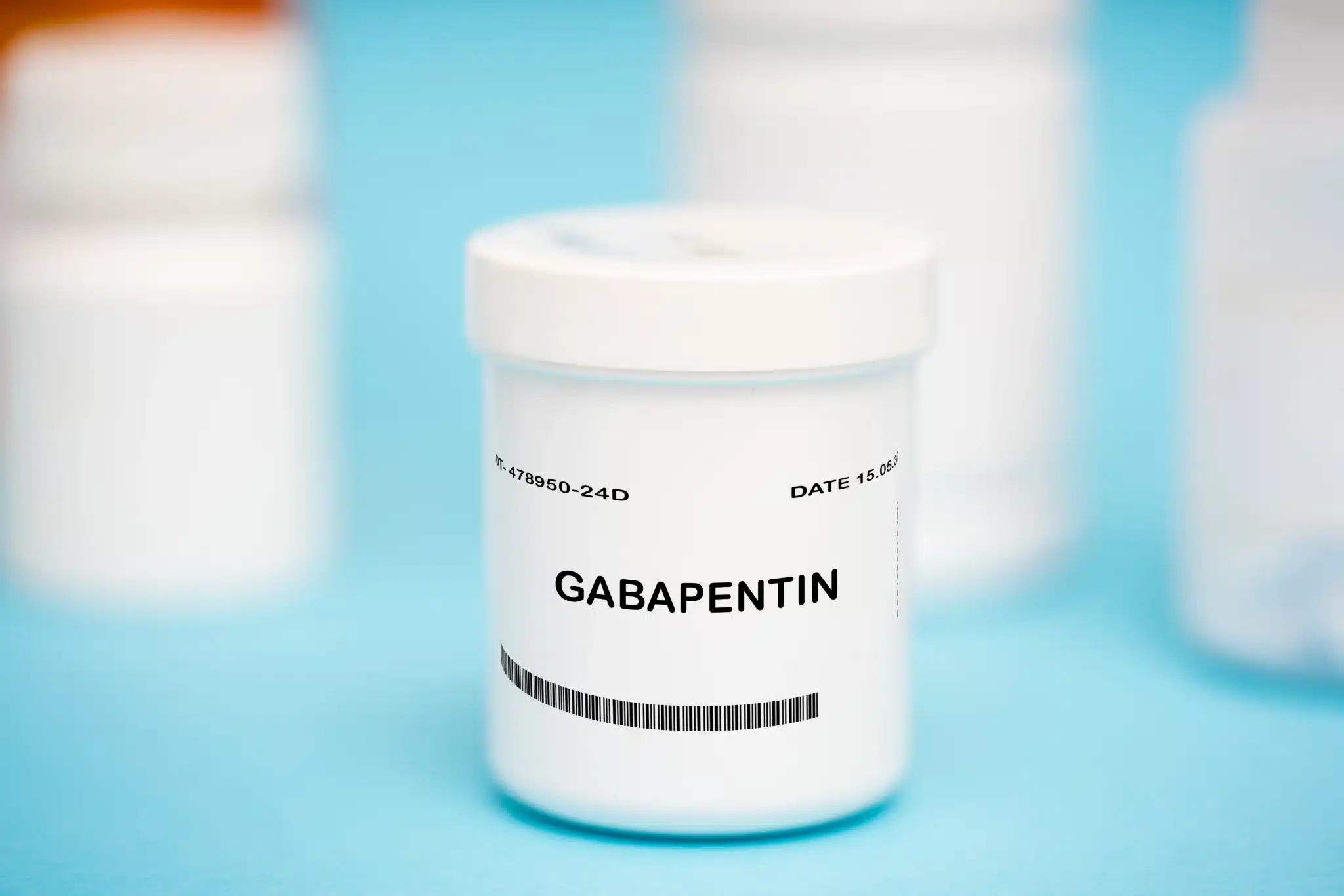


Benzodiazepines , commonly known as Xanax, Klonopin, Valium, and Ativan, are among the most widely prescribed medications in the United States. They’re prescribed for anxiety, panic disorder, insomnia, seizures, and a range of other legitimate medical conditions. And for many people, that’s exactly where the story begins: with a prescription, a real diagnosis, and a medication that worked, until it didn’t.
Benzodiazepine dependence can develop faster than most people expect, even when the medication is taken exactly as prescribed. And when it comes time to stop, benzo recovery is one of the most medically complex and emotionally layered processes in addiction treatment. It’s not just about managing withdrawal. It’s about addressing the mental health conditions that were there before the benzos, the ones the benzos created or worsened, and everything in between.
This is why benzo recovery almost always requires specialized dual diagnosis treatment, and why at Cobb Outpatient Detox in Marietta, Georgia, we approach it with the level of clinical depth and individualized care it demands.
What Makes Benzodiazepine Dependence Different

Not all substance use disorders are alike, and benzodiazepine dependence has a set of characteristics that set it apart from other addictions, and make it particularly important to treat with specialized, integrated care.
Physical dependence develops quickly. Unlike some substances that require prolonged heavy use before physical dependence takes hold, benzos can create significant physical dependence even when taken as prescribed over a period of weeks to months. The brain adapts rapidly to the presence of the drug, and that adaptation is what makes stopping so difficult and potentially dangerous.
Withdrawal is medically serious. Benzodiazepine withdrawal is one of only two common withdrawal syndromes, along with alcohol, that can be life-threatening. Stopping benzos abruptly without medical supervision can trigger severe seizures, hallucinations, psychosis, and in rare cases, death. This is not a process that can safely be managed at home.
Rebound symptoms are intense and disorienting. One of the most challenging aspects of benzo withdrawal is that the symptoms the medication was originally prescribed to treat, anxiety, insomnia, panic, often come flooding back during withdrawal, frequently more intense than they were before. This rebound effect can be deeply distressing and is one of the primary drivers of relapse during benzo recovery.
Withdrawal can be prolonged. Unlike some substances where acute withdrawal resolves within a week, benzo withdrawal can stretch across weeks or even months. Post-Acute Withdrawal Syndrome (PAWS), a lingering phase of psychological symptoms including anxiety, insomnia, depression, difficulty concentrating, and mood instability, can persist long after the acute physical withdrawal has resolved.
The Mental Health Connection: Why Dual Diagnosis Is the Rule, Not the Exception
Here’s what makes benzo recovery uniquely complex from a dual diagnosis standpoint: the mental health conditions that most commonly co-occur with benzodiazepine dependence are the exact same conditions benzos are prescribed to treat.
Anxiety disorders, panic disorder, PTSD, depression, and insomnia are among the most prevalent mental health conditions in the country, and benzodiazepines are frequently prescribed for all of them. Over time, as dependence develops, the line between treating the condition and feeding the dependence becomes increasingly blurred. The medication that was once helping manage anxiety begins to cause anxiety when it’s not present. The drug prescribed for sleep begins to make sleep impossible without it.
This creates a particularly tangled dual diagnosis picture, one where it can be genuinely difficult to know where the mental health condition ends and the substance use disorder begins. The answer, in most cases, is that they are deeply intertwined and must be addressed together.
There are several ways this intersection typically presents:
Self-medication that became dependence. Many people with undiagnosed or undertreated anxiety, PTSD, or depression turn to benzodiazepines, whether prescribed or obtained otherwise, as a way to quiet symptoms that feel unmanageable. What begins as relief gradually becomes reliance, and then dependence, without the underlying mental health condition ever being properly treated.
Prescription use that evolved into disorder. A person may have received a legitimate prescription for a real condition, taken the medication responsibly, and still developed physical and psychological dependence over time. When they try to stop, they discover they can’t, and the original mental health condition is still there, now compounded by dependence.
Withdrawal-induced mental health symptoms. In some cases, the psychiatric symptoms a person experiences during benzo withdrawal, severe anxiety, depression, cognitive difficulties, emotional instability, may be primarily withdrawal-driven rather than indicative of a pre-existing condition. Distinguishing between the two requires clinical expertise and time, and it’s one of the reasons benzo recovery requires careful, ongoing assessment throughout the process.
What Specialized Dual Diagnosis Treatment for Benzo Recovery Looks Like
Given this complexity, effective benzo recovery requires far more than simply tapering off the medication and waiting for withdrawal to pass. It requires a comprehensive, integrated approach that addresses both the physical process of detox and the mental health landscape underlying it. Here’s what that looks like at Cobb Outpatient Detox:
Thorough Intake Assessment
Every client entering our program for benzo recovery receives a detailed intake evaluation that covers their full history, which benzodiazepine they’ve been using, at what dose, for how long, how they came to use it, what mental health conditions have been present, and what prior treatment attempts have looked like. This comprehensive picture is what allows us to build a treatment plan that actually fits the individual, not a one-size-fits-all protocol.
Medically Supervised Taper
Abrupt discontinuation of benzodiazepines is dangerous and never recommended. At Cobb Outpatient Detox, our medical team designs individualized taper plans for each client, gradually reducing the dose of the current medication, or in some cases transitioning to a longer-acting benzodiazepine to allow for a more stable, controlled taper. The pace of the taper is adjusted based on how the client is responding, with the goal of minimizing withdrawal severity while keeping the process moving forward safely.
Ongoing Medical Monitoring
Throughout the detox process, our licensed medical team closely monitors clients for any signs of withdrawal complications, particularly seizure risk, cardiovascular changes, and psychiatric deterioration. Regular check-ins allow us to catch and respond to changes in condition quickly, before they escalate. This level of medical oversight is a cornerstone of safe benzo detox and simply cannot be replicated at home.
Mental Health Treatment Running Concurrently
This is where the dual diagnosis piece becomes essential. As the physical taper progresses, our master’s level therapists are working with clients on the mental health side of their recovery simultaneously. This means:
- Identifying and beginning to treat the underlying anxiety, PTSD, depression, or other conditions that contributed to benzo use in the first place
- Developing non-medication coping strategies for anxiety and stress, including Cognitive Behavioral Therapy (CBT) techniques that have strong evidence for both anxiety disorders and substance use recovery
- Processing the emotional experience of withdrawal and early sobriety, which can be disorienting and frightening without professional support
- Beginning to build a psychological foundation for long-term recovery that doesn’t rely on benzodiazepines
Group Therapy and Peer Support
Recovery from benzo dependence can feel isolating, particularly because it often began with a legitimate prescription and may not fit the way many people imagine addiction. Group therapy provides a space where clients can share their experiences with others who understand, reduce shame, and build the peer connections that support long-term sobriety.
Aftercare Planning
Because benzo recovery extends well beyond the detox phase, aftercare planning is a critical component of treatment at Cobb Outpatient Detox. Our case managers work with every client to establish clear next steps, whether that’s continued outpatient therapy, a higher level of care, psychiatric follow-up for ongoing mental health management, or community support resources. The goal is to ensure that when a client completes our program, they have a clear, supported path forward.
Why Outpatient Benzo Detox Works
Many people are surprised to learn that medically supervised benzo detox can be managed in an outpatient setting. At Cobb Outpatient Detox, our ASAM Level 2.7 program provides the clinical rigor and medical oversight needed for safe benzo detox, while allowing clients to remain at home, maintain their daily lives, and stay connected to the real-world environment where their recovery will ultimately need to function.
For clients with mild to moderate withdrawal severity, a stable home environment, and no history of severe withdrawal complications, outpatient benzo detox can be every bit as safe and effective as inpatient care, and the advantages of remaining in your own life throughout the process are significant. You’re not practicing recovery in a bubble. You’re building it in the context of your actual daily life, which is where it needs to hold.
You Don’t Have to Figure This Out Alone
If you or someone you love has been struggling with benzodiazepine dependence, whether it started with a prescription or otherwise, know that what you’re experiencing is a recognized medical condition that responds to the right treatment. The complexity of benzo recovery isn’t a reason to avoid getting help. It’s a reason to get help from a team that truly understands it.
At Cobb Outpatient Detox, we have experience guiding people through exactly this kind of recovery, with the medical oversight, therapeutic depth, and individualized approach that benzo dual diagnosis treatment requires.
Contact us here to speak with one of our admissions counselors. Your information is completely confidential, and our team will respond with the care and understanding you deserve.
Recovery from benzodiazepines is possible. With the right support, it’s more than possible, it’s sustainable.