




Seven essential resources can help you overcome addiction: professional treatment programs that provide structured care, peer support groups for community connection, recovery community centers offering integrated services, digital and telehealth solutions for 24/7 support, medication-assisted treatment based on scientific evidence, a substance-free environment with strong boundaries, and self-directed recovery tools for personal progress. Understanding how to utilize each of these resources will strengthen your path to lasting recovery.
Professional Treatment Programs: Your Foundation for Recovery

When you’re ready to take the essential initial stride in the direction of recovery, professional treatment programs offer the structured support and evidence-based care you’ll need to overcome addiction. Research shows that combining different treatment approaches considerably improves your chances of success, with success rates reaching up to 90% in some programs. With 296 million people worldwide struggling with drug use, getting professional help is more crucial than ever. You’ll find several proven options, from residential treatment providing 24/7 care to flexible outpatient programs that let you maintain your daily routine. The key is matching the right program to your specific needs. Programs that include medication-assisted treatment, behavioral therapy, and personalized aftercare plans tend to deliver the best results. Remember, recovery isn’t just about initial treatment; ongoing recovery monitoring plays a pivotal role in maintaining long-term sobriety, especially when combined with support groups and regular check-ins. Studies indicate that roughly three-quarters of participants maintain abstinence while participating in professional monitoring programs. Treatment programs lasting 90 days or longer have consistently demonstrated higher success rates and better mental health outcomes for participants.
Peer Support Groups: Finding Strength in Community
Nearly every success story in addiction recovery shares one essential element: the power of peer support groups. Whether through in-person meetings, online meetups, or cultural groups customized to your background, connecting with others who understand your trek can transform your recovery experience. Active participation in these groups has been shown to increase self-esteem and confidence among members. Peer support workers provide essential services to individuals throughout their recovery journey. With less than one in five Americans receiving needed specialty treatment, peer support groups fill a critical care gap.
Research shows that peer support substantially improves your chances of long-term sobriety. Here’s what you’ll gain:
- Higher abstinence rates and up to 35% lower relapse risk compared to standard treatment
- A stronger support network, with 81% of participants reporting improved friendships
- Better treatment completion rates and ongoing engagement with healthcare services
- Access to mentors who’ve walked your path and can guide your recovery journey
You’re not alone in this trek. Peer support groups offer a proven pathway to lasting recovery, combining understanding, accountability, and genuine connection.
Recovery Community Centers: A Hub for Healing
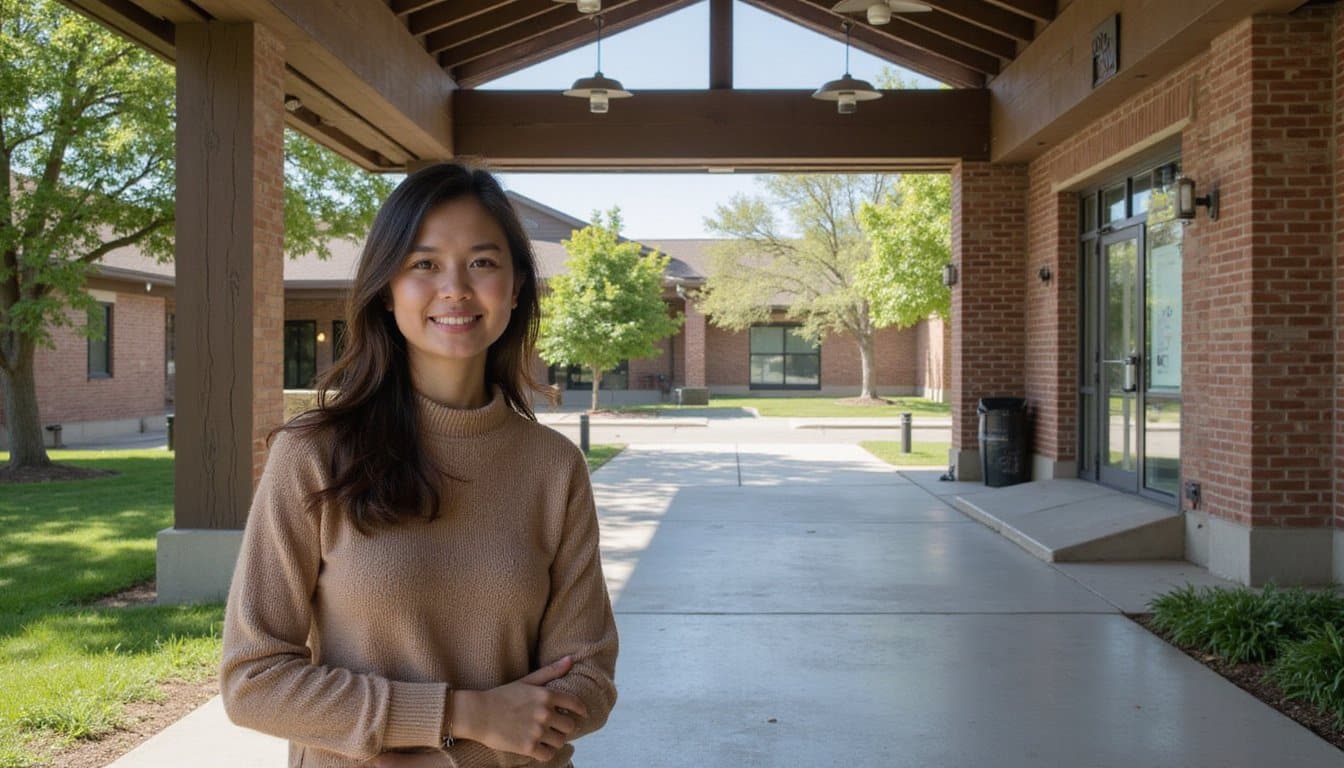
Recovery Community Centers can transform your path to healing by offering an integrated suite of services, from addiction support and recovery coaching to employment assistance and educational programs, all under one roof. You’ll find yourself welcomed by a diverse, understanding community that fortifies your recovery journey through peer connections, social activities, and mutual support networks. Whether you need help finding a job, continuing your education, or simply connecting with others who understand your experience, these centers serve as all-encompassing support hubs that empower you to rebuild your life in meaningful ways. Studies indicate that engaging with these centers leads to higher self-esteem and improved overall well-being. These centers are uniquely designed to support all recovery paths, including those who choose medication-assisted treatment as part of their recovery journey. Research has shown that even infrequent visits to Recovery Community Centers can provide significant benefits for those in recovery.
Diverse Programs Under One-Roof
Modern Recovery Community Centers (RCCs) serve as holistic healing hubs where you’ll find a wide-ranging array of support services under one roof. These centers consistently demonstrate strong quality metrics through their comprehensive approach to recovery support, backed by dedicated staff and volunteer participation. Research shows that 60% of participants continue engaging with RCC services after their initial three months. Services are delivered by staff and volunteers with lived experience, ensuring genuine understanding and connection.
Your path to recovery is supported through:
- Essential support services – access to addiction-specific meetings, recovery coaching, and medication-assisted treatment discussions
- Basic needs assistance – help with food, clothing, and transportation to guarantee your fundamental needs are met
- Social development opportunities – technology access, employment assistance, and educational support to build your future
- Community engagement – recreational activities, vocational training, and volunteer opportunities to reinforce your connection with others
These evidence-based programs have shown to improve abstinence rates and general well-being for participants like you.
Building Supportive Recovery Networks
Creating lasting change in your recovery path begins with building strong connections through peer-led support networks. Recovery Community Centers (RCCs) offer you a welcoming space where you’ll find peers who understand your journey firsthand. These centers complement traditional treatment options and sober living homes by providing mentoring, social support, and recovery navigation services.
You’ll uncover diverse programming that includes recreation-based activities and educational resources, helping you build recovery capital, the personal and social resources essential for long-term success. RCCs serve people of all backgrounds, with proven success in engaging young adults and underrepresented communities. Whether you’re seeking information about different recovery pathways or looking to connect with others who share similar experiences, these centers provide the supportive environment you need to thrive in your recovery expedition. Understanding that recovery looks different for each individual, RCCs tailor their support to meet your unique needs and goals.
Employment and Education Access
Three key factors, employment, education, and economic stability, form the foundation of sustainable recovery, yet many individuals face substantial barriers in these areas. Recovery Community Centers (RCCs) help you overcome socioeconomic barriers and elevate your educational attainment through extensive support services.
- Access job readiness training, financial literacy workshops, and placement assistance through RCCs that serve over 125 individuals monthly
- Participate in structured programs that integrate recovery with vocational training and high school equivalency classes
- Connect with “Fair Chance” employers who understand recovery and provide inclusive hiring opportunities
- Progress from part-time to full-time employment as your recovery stabilizes, with support from RCC partners and business networks
Your path to employment and education success improves considerably with time in recovery, especially after five years of sustained progress.
Digital and Telehealth Solutions: Recovery at Your Fingertips

Recent advances in digital healthcare have transformed addiction treatment, making recovery support more accessible than ever before. You’ll find digital health innovations that connect you directly with healthcare providers, support groups, and essential resources from your smartphone or computer. Remote monitoring tools help track your progress while keeping you accountable and engaged in your recovery journey. Thanks to recent policy changes, patients can now access addiction treatment via telemedicine through December 31, 2025. Studies show that Boulder Care and similar telehealth platforms provide effective virtual-only treatment options for addiction recovery. AI-powered systems streamline administrative tasks like scheduling and documentation, allowing healthcare providers to focus more time on patient care.
| Resource Type | Benefits | Access Method |
|---|---|---|
| Telehealth Sessions | Higher retention rates (53% vs 22%) | Video/Phone calls |
| Recovery Apps | 24/7 support & tracking | Smartphone/Tablet |
| Online Support Groups | Peer connections & counseling | Web browser |
| Digital Screening | Personalized treatment plans | Provider platforms |
Today’s technology means you don’t have to face recovery alone. With telemonitoring showing 1.72 times better outcomes and substantially lower discontinuation rates, these digital solutions offer proven pathways to sustainable recovery.
Medication-Assisted Treatment: A Science-Based Approach
If you’re considering medication-assisted treatment (MAT) for addiction recovery, you’ll find comfort knowing it’s backed by extensive scientific research combining FDA-approved medications with behavioral therapy. MAT’s proven success rates show 40-60% positive outcomes, with patients experiencing noticeably lower relapse rates and reduced risk of overdose compared to non-medication approaches. You’ll benefit from a comprehensive treatment strategy that addresses both the physical and psychological aspects of addiction, while working closely with healthcare providers who can tailor the medication and therapy to your specific needs.
FDA-Approved Treatment Options
Science-based medication treatments have revolutionized addiction recovery by offering effective, FDA-approved options for diverse substance use disorders. Following evidence-based guidelines and incorporating family involvement strategies, you’ll find targeted medications for opioid, alcohol, and tobacco dependence that can considerably improve your recovery trek.
- For opioid use disorder, you’ve got options like buprenorphine, methadone, and extended-release naltrexone, which help normalize brain chemistry and reduce cravings
- If you’re dealing with alcohol dependence, medications like acamprosate, disulfiram, and naltrexone can support your recovery
- For tobacco cessation, bupropion, nicotine replacement therapy, and varenicline effectively reduce withdrawal symptoms
- Special considerations exist for pregnant individuals, with methadone and buprenorphine being preferred treatment options
Success Rates and Benefits
While choosing a treatment path can feel overwhelming, medication-assisted treatment (MAT) offers compelling evidence of success, with recovery rates ranging from 40% to 60%, considerably higher than approaches without medication. You’ll find that quality of care profoundly improves with MAT, cutting mortality risk in half and reducing illicit opioid use by 33%.
| Treatment Type | Retention Rate | Key Benefits |
|---|---|---|
| Methadone | 56.6% | Highest retention |
| Buprenorphine | 48.3% | Flexible dosing |
| Naltrexone | Up to 90% abstinence | Blocks opioid effects |
| Combined Therapy | Augmented outcomes | Addresses both physical & behavioral needs |
| Early Intervention | Better long-term success | Prevents relapse |
Despite proven effectiveness, medication access remains limited, with only 10-25% of those needing treatment receiving it. Don’t let stigma deter you; research consistently shows MAT’s effectiveness in supporting long-term recovery.
Building a Supportive Environment for Long-Term Success
Creating a supportive environment stands as one of the most pivotal elements for maintaining long-term recovery from addiction. You’ll need to build strong social networks and establish safe spaces that reinforce your commitment to sobriety. Research shows that people who surround themselves with recovery-oriented support systems and engage in substance-free activities have considerably better outcomes.
- Connect with peers in recovery through support groups and structured programs to build meaningful relationships
- Guarantee your living space promotes stability and maintains clear boundaries, free from triggers and substances
- Engage family members in your recovery path through education and healthy support behaviors
- Participate in recovery-oriented recreation and activities that foster positive social connections and personal growth
Self-Directed Recovery: Taking Control of Your Journey
Taking charge of your recovery expedition represents a powerful and evidence-based path to lasting change. With today’s digital tools and self-management resources, you’re empowered to create a recovery voyage that aligns with your personal needs and values. Whether you prefer mindfulness-based practices, online support groups, or goal-setting strategies, research shows that customized approaches often yield the best results.
| Recovery Tools | Benefits | Implementation |
|---|---|---|
| E-health Apps | 24/7 Support | Track daily progress |
| Online Forums | Peer Connection | Share & learn daily |
| Self-monitoring | Trigger Awareness | Journal key patterns |
You’ll find that combining self-directed tools with occasional professional guidance can create a sustainable path forward. While traditional support groups remain valuable, you’re not limited to any single approach. Instead, you can craft a flexible strategy that evolves with your recovery needs.
Frequently Asked Questions
How Long Does It Typically Take to Fully Recover From Addiction?
Recovery from addiction isn’t a quick fix; it’s a prolonged expedition that typically takes many years. You’ll likely need multiple attempts, with research showing it can take 20+ years to achieve sustained abstinence, especially with alcohol use disorder. Don’t get discouraged, though; everyone’s path to holistic healing is different. What matters most is that you’re taking steps forward, and with proper support and treatment lasting 90+ days, you’ll vastly improve your chances of success.
What Happens if I Relapse After Completing a Treatment Program?
If you relapse, remember it’s not a failure, it’s a common part of recovery that affects 40-60% of people. You’ll need to work with your treatment team to identify warning signs of relapse and strengthen your coping strategies. Focus on managing relapse triggers through renewed therapy, support group attendance, and possibly adjusting your treatment plan. Don’t let shame prevent you from seeking help; reaching out immediately improves your chances of getting back on track.
Will My Insurance Cover Addiction Treatment and Recovery Services?
Yes, your insurance will likely cover addiction treatment, as federal laws require most health insurance options to provide coverage for substance use disorders. Your exact coverage and treatment program costs will depend on your specific plan, including deductibles and co-pays. You’ll typically find coverage for services like medication-assisted treatment, counseling, and inpatient care. Contact your insurance provider directly to understand your specific benefits and in-network treatment options.
How Do I Tell My Employer I Need Time off for Treatment?
Schedule a private meeting with your supervisor or HR department for open communication with your employer about needing time off for treatment. Be direct but professional, focusing on your commitment to recovery and continued employment. You’re legally protected under FMLA when seeking treatment, and many companies offer workplace support programs to help. Request information about your company’s leave policies and documentation requirements while maintaining your right to medical privacy.
Can I Recover From Addiction While Maintaining My Current Relationships?
Yes, you can recover while maintaining relationships, but it requires dedication and open communication. You’ll need to focus on maintaining healthy boundaries and prioritizing self-care during this path. Research shows that supportive relationships actually improve your chances of successful recovery. Consider involving trusted loved ones in your treatment process through family therapy or couples counseling. Remember, healthy relationships can strengthen your recovery, while toxic ones may need reevaluation.