






Xanax addiction disrupts your brain’s GABA receptor system, fundamentally altering neural communication and structure. You’ll experience dangerous physical effects, including respiratory depression, motor control impairment, and heightened seizure risks. The drug’s impact extends to memory formation and cognitive function, causing both short-term amnesia and potential permanent damage. Chronic use leads to gray matter loss in pivotal brain regions and can trigger life-threatening withdrawal symptoms. Understanding these mechanisms reveals the full scope of addiction’s devastating effects.
The Science Behind GABA Receptor Changes
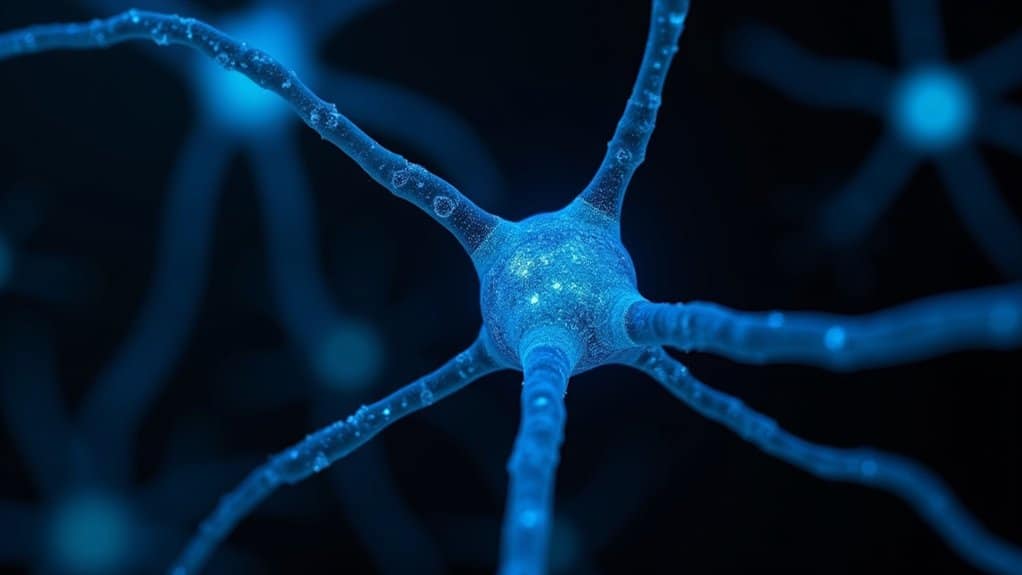
While GABA receptor modulation is complex, Xanax’s primary mechanism centers on its role as a positive allosteric modulator of GABA~A~ receptors. When you take Xanax, it binds to the alpha1-gamma2 subunit interface, triggering receptor conformational shifts that enhance GABA’s effects. To properly monitor these effects, researchers utilize PharmGKB databases to track pharmacogenomic variations.
These structural changes alter GABA binding kinetics in two critical ways: they speed up GABA’s ability to bind while slowing its dissociation from receptors. You’ll experience increased single-channel conductance and prolonged channel opening times as a result. The process leads to chloride ions entering neurons, making them less responsive to excitatory signals. With chronic use, gray matter loss can occur in regions controlling motor function. The drug fundamentally stabilizes your GABA receptors in a high-affinity state, favoring the shift from closed to open configurations.
However, your neurons will adapt to chronic exposure by swapping receptor subunits, particularly replacing gamma2 with alternatives like gamma3, ultimately reducing your sensitivity to Xanax’s effects.
Dangerous Physical Side Effects and Risks
Xanax’s interference with your central nervous system creates severe respiratory risks, including breathing depression and potential asphyxiation, particularly when combined with other depressant substances.
Your motor functions become markedly impaired, manifesting through muscle coordination problems, tremors, and vision disturbances that compromise daily activities and personal safety. Prolonged use will cause you to develop physical dependence, making it increasingly difficult to function without the drug.
The combination of Xanax with other downer drugs often leads to life-threatening complications. The most dangerous physical risks you’ll face include the possibility of seizures during withdrawal and the constant threat of overdose, which can lead to coma or death, especially when tolerance levels shift unexpectedly. Chronic abuse can result in serious memory problems that affect cognitive function.
Respiratory System Damage Risks
Numerous respiratory risks associated with Xanax abuse stem from the drug’s potent central nervous system depressant effects. You’ll face heightened dangers of respiratory depression, particularly if you have chronic airflow obstruction or COPD. Research shows a 45 percent higher risk of respiratory exacerbation requiring treatment for COPD patients taking benzodiazepines. The medication’s impact on your breathing can trigger severe complications, including sleep disturbances and immunological dysfunction. Feeling drunk and experiencing coordination problems can further impair your respiratory function.
Your respiratory drive diminishes dramatically when combining Xanax with other CNS depressants or alcohol, potentially leading to life-threatening breathing complications. The risk of death significantly increases when Xanax is mixed with opioid medications.
You’re more susceptible to upper respiratory infections and pneumonia due to compromised immune response and impaired gas exchange.
Your risk of experiencing hyperventilation episodes increases, which can strain your respiratory system and exacerbate existing breathing difficulties.
The dangers escalate for elderly patients, with up to 30% of COPD sufferers receiving Xanax prescriptions despite these serious risks.
Motor Control Impairment Issues
Among the most concerning effects of Xanax abuse, motor control impairment poses severe risks to your daily functioning and safety. Your decreased hand-eye coordination manifests through slowed reaction times and impaired fine motor skills, while exacerbated balance issues increase your fall risk. The medication’s central nervous system depression intensifies these physical impairments. These deficits severely impact your ability to drive safely, perform detailed tasks, or maintain steady movements. The level of impairment is comparable to having a blood alcohol level between 0.050% and 0.079%. Respiratory suppression can worsen these physical effects, especially during chronic misuse.
| Impact Area | Primary Effects | Safety Risks |
|---|---|---|
| Driving | Lane weaving | Collision hazards |
| Balance | Unsteady gait | Falls and injuries |
| Reaction Time | Delayed responses | Accident vulnerability |
| Coordination | Task execution errors | Physical mishaps |
| Fine Motor | Reduced dexterity | Object handling failures |
You’ll experience significant difficulties with activities requiring precision, from writing to operating machinery, creating dangerous situations in both personal and professional environments.
Seizure and Overdose Dangers
When abruptly stopping Xanax use, you face potentially lethal seizure risks due to the drug’s profound impact on GABA neurotransmission. The rapid elimination of Xanax from your system can trigger grand mal seizures within hours, potentially leading to anoxic brain injury or death if left untreated. Your risk of developing treatment complications increases considerably with high-dose usage and prolonged exposure. A medical detox program provides essential 24/7 supervision to safely manage withdrawal symptoms. The brain’s extensive rewiring process makes sudden cessation particularly dangerous for long-term users.
- Each 30-day period of Xanax use multiplies your epilepsy risk by 1.03, with pre-existing neurological conditions heightening this vulnerability
- Untreated withdrawal seizures account for most Xanax-related deaths during cessation, often complicated by respiratory failure
- Your overdose risk escalates dramatically when combining Xanax with opioids or alcohol, leading to severe respiratory depression and potential fatality
The severity of these dangers correlates directly with your level of physical dependence and cessation speed.
Memory Loss and Cognitive Function Decline
Your brain’s chemistry alters remarkably when taking Xanax, as it enhances GABA neurotransmitter activity and disrupts memory formation pathways in the hippocampus.
While short-term effects include immediate memory impairment and difficulty forming new memories during active use, long-term consequences can manifest as persistent cognitive decline, reduced processing speed, and impaired verbal learning abilities. Studies show that extended benzodiazepine use frequently continues for nearly 10 years despite recommendations for much shorter durations. Safe discontinuation requires gradual tapering under medical supervision to minimize withdrawal effects.
Chronic Xanax use leads to structural changes in memory-related brain regions and GABAergic system adaptations, potentially causing lasting effects that extend beyond the cessation of use.
Brain Chemistry Behind Impairment
The intricate modulation of GABA receptors by Xanax triggers a cascade of neurochemical adaptations that progressively impair cognitive function. When you consume Xanax regularly, your brain undergoes significant neurotransmitter imbalances and receptor sensitivity changes, leading to decreased natural GABA production and compromised synaptic plasticity.
- Your brain’s adaptive response reduces GABA receptor density, forcing you to need higher doses for the same effect
- Your neural networks experience disrupted connectivity, affecting memory formation and spatial processing
- Your synaptic plasticity becomes impaired, diminishing your ability to learn and retain new information
These neurochemical alterations create a complex web of cognitive dysfunction, manifesting in reduced IQ scores, impaired verbal learning, and slower information processing. The impact extends beyond immediate effects, potentially causing lasting changes to your brain’s structure and function.
Short-Term Vs Long-Term Effects
Understanding Xanax’s cognitive impact requires distinguishing between its immediate and enduring effects on brain function. In the short term, you’ll experience impaired memory formation, confusion, and potential blackout episodes. Drug interaction synergies can intensify these effects, leading to severe cognitive disruption within hours of use.
Long-term exposure presents a more concerning cognitive decline timeline. You’re likely to face persistent memory deficits lasting months after cessation, with some changes becoming permanent. Chronic use correlates with structural brain alterations, increasing your risk of dementia and Alzheimer’s disease. You’ll notice declining IQ scores, diminished learning capacity, and compromised visual-spatial processing abilities. These enduring effects often persist even after discontinuing Xanax, potentially affecting your cognitive function for years or permanently altering your brain’s processing capabilities.
Breaking Down Long-Term Brain Chemistry Impact

Long-term Xanax use triggers profound alterations in brain chemistry, disrupting critical neurotransmitter systems and neural pathways. Your brain’s natural GABA production becomes severely compromised, leading to inhibited neurogenesis and dependency within six weeks.
Extended Xanax consumption severely disrupts brain chemistry and GABA production, leading to neural changes and dependency in just six weeks.
This disruption extends beyond GABA, affecting dopamine and serotonin systems while reducing compromised synaptic health and neural plasticity.
- Your cognitive functions deteriorate, with declining memory, visual-spatial processing, and executive function capabilities
- Your brain structure changes physically, showing reduced hippocampal volume and diminished frontal lobe connectivity
- Your neurotransmitter systems experience widespread dysregulation, creating persistent imbalances in mood and emotional regulation
While recovery is possible through sustained abstinence and targeted therapy, the journey to restored brain function often requires months or years of dedicated rehabilitation efforts.
Understanding Withdrawal Complications
When Xanax withdrawal begins, patients face a complex cascade of physical, neurological, and psychiatric complications that can persist for months. You’ll experience intense physical symptoms, including muscle spasms, gastrointestinal distress, and potential seizures.
The neurological impact manifests through sensory hyperarousal, cognitive disruptions, and motor coordination problems. The emotional toll becomes evident through rebound anxiety, mood instability, and aggressive tendencies.
Post-acute withdrawal syndrome (PAWS) creates additional psychosocial barriers, as you’ll struggle with prolonged cognitive fog, stress hypersensitivity, and social withdrawal. These symptoms can last 6-12 months, requiring careful medical supervision during detox.
The complexity of withdrawal often necessitates an extensive treatment approach, especially when managing concurrent substance use or pre-existing seizure disorders.
How Addiction Alters Neural Pathways
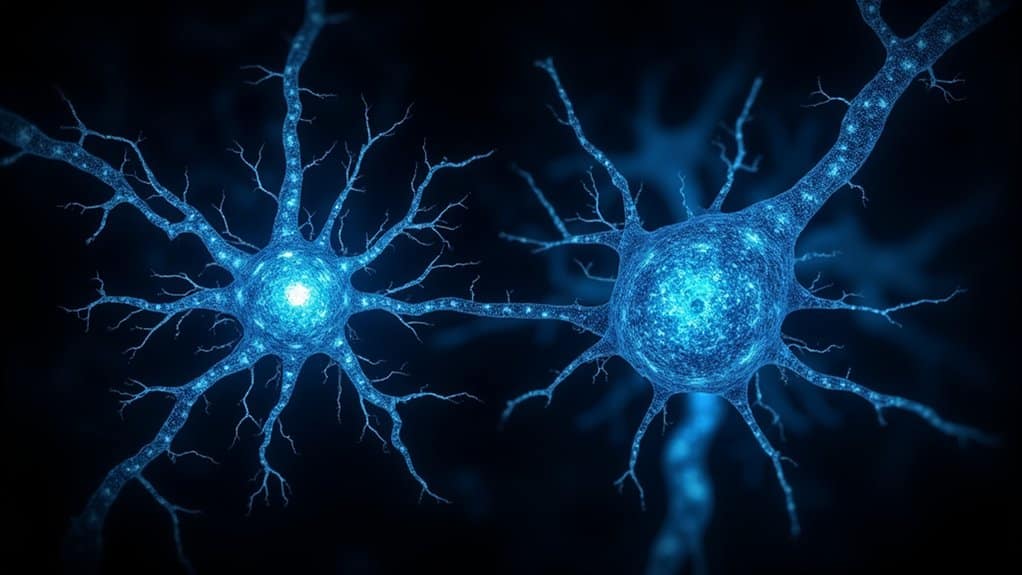
Through chronic Xanax use, your brain undergoes profound neurobiological alterations centered in the ventral tegmental area (VTA) and related reward circuits. This triggers dopamine pathway remodeling, disrupting your natural reward processing and promoting compulsive drug-seeking behavior. Synaptic plasticity alterations occur at VTA glutamate synapses, fundamentally changing how your neurons communicate and respond to stimuli.
Your GABA receptors become less effective, requiring higher Xanax doses to achieve the same effect. ERK signaling pathways experience lasting dysregulation, increasing your sensitivity to other addictive substances. Your brain’s inhibitory/excitatory balance shifts dramatically, leading to hyperactivity in reward circuits during withdrawal.
These neural adaptations persist long after discontinuing Xanax, creating enduring vulnerability to relapse and cross-addiction to other substances.
Recovery and Neurological Healing Process
Neural recovery after Xanax addiction kicks off a complex cascade of neurobiological adjustments that can span months or years. Your brain gradually resumes natural GABA production as it detaches from external chemical dependency, though you’ll likely experience rebound anxiety during this pivotal phase.
Quality of life improvements emerge slowly as your neural pathways reconstruct, but you’ll face emotional regulation challenges while your brain rebalances its chemistry. You might notice memory and cognitive processing improvements within four months, though some deficits could persist longer. If you’ve been a chronic user, you may encounter permanent changes in spatial reasoning and memory capacity.
Professional supervision becomes imperative during withdrawal, as abrupt cessation risks seizures and severe symptoms. Your recovery requires careful medical management and often benefits from behavioral therapy support.
Frequently Asked Questions
Can Xanax Addiction Affect Fertility or Reproductive Health?
Yes, Xanax addiction can profoundly impact your reproductive health. You’ll experience hormonal imbalances as the drug interferes with your endocrine system.
If you’re female, you might face ovulation disruption and irregular menstrual cycles. The addiction can reduce sexual function in both men and women, affecting fertility potential.
If you’re pregnant, Xanax addiction poses serious risks to fetal development, including potential birth defects and withdrawal symptoms in newborns.
Does Genetic Predisposition Influence the Likelihood of Developing Xanax Addiction?
Yes, genetic factors notably influence your likelihood of developing Xanax addiction. If you have specific gene variants, particularly in dopamine receptor genes DRD2 and DRD4, you’re more susceptible to benzodiazepine dependence.
Your genetic predisposition interacts with environmental triggers, creating a complex risk profile. When you have a family history of substance abuse, you’re at higher risk, as inherited genetic variations affect how you respond to Xanax and process reward signals in your brain.
How Does Xanax Addiction Impact Skin Health and Appearance?
When you’re addicted to Xanax, you’ll notice significant changes in your skin health. The drug disrupts your body’s natural collagen production, leading to premature aging and reduced skin elasticity.
You’ll likely experience skin discoloration, particularly under your eyes, along with increased dryness and visible blood vessels. The medication’s impact on your sleep patterns and fluid retention can cause facial puffiness, while chronic stress from addiction may trigger various skin conditions and delayed healing.
Can Regular Exercise Help Reduce Xanax Withdrawal Symptoms?
Yes, regular exercise can markedly reduce your Xanax withdrawal symptoms. By incorporating yoga practice and mindfulness meditation, you’ll boost endorphin production and stabilize neurotransmitter levels. You’ll experience decreased anxiety, improved sleep patterns, and better mood regulation.
Start with low-intensity activities to avoid overwhelming your system. Exercise enhances your body’s natural detoxification process while supporting GABA receptor recovery. Remember to stay hydrated and listen to your body’s signals during workouts.
Do Certain Foods or Supplements Help Repair Brain Damage From Xanax?
While there’s no direct evidence that specific foods repair Xanax-related brain damage, you can support your overall brain health through nutrition. Include omega-3 fatty acids and antioxidant-rich foods in your diet, but don’t rely on them as a cure.
You’ll need professional medical supervision to safely manage Xanax withdrawal and recovery. Any dietary changes or supplements should be discussed with your healthcare provider, as some may interact with medications or affect withdrawal.