





Methamphetamine addiction devastates your body through multiple systems simultaneously. You’ll experience severe dental decay, life-threatening heart complications, and premature aging of your skin with open sores. The drug causes permanent brain damage, affecting memory and cognitive function, while severely disrupting your metabolism and nutrition. These effects can persist long after stopping use, with cardiovascular impacts appearing up to 10 years earlier than in non-users. Understanding the full scope of physical damage can help guide critical health decisions.
The Devastating Impact on Dental Health
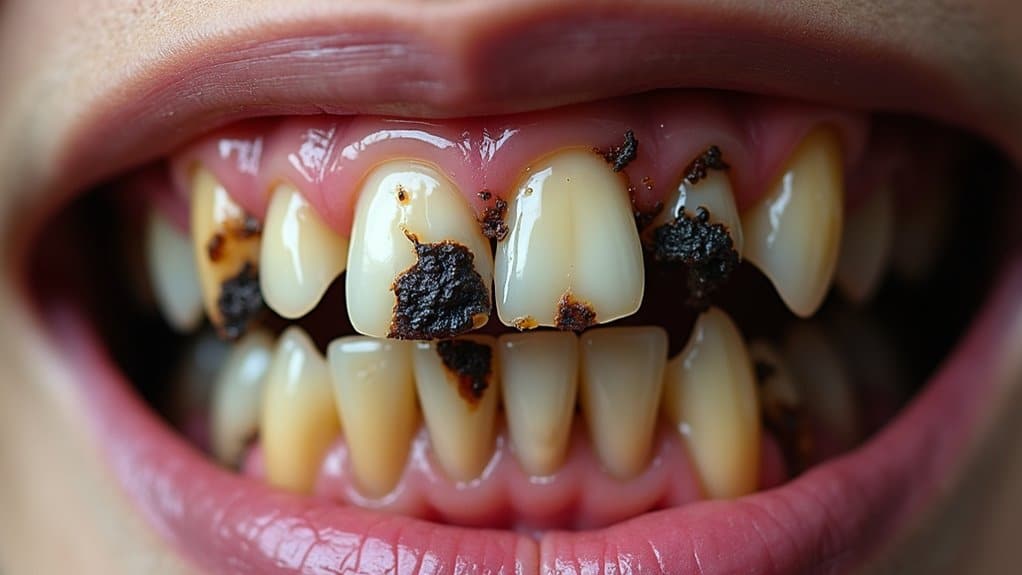
While methamphetamine wreaks havoc throughout the body, its devastating effects on dental health are among the most visible and irreversible. Reduced salivary flow, combined with intense sugar cravings, creates the perfect environment for accelerated tooth decay. You’ll see decay beginning at the gum line, rapidly spreading across tooth surfaces, with initial teeth often showing the first signs of damage.
The drug’s impact extends beyond surface decay. You’re facing severe periodontal complications as meth restricts blood flow to your gums, compromising tissue health and bone integrity. Users commonly develop temporomandibular disorders from persistent jaw clenching. When combined with poor oral hygiene and delayed treatment seeking, you’ll experience rapid deterioration of dental structures. Studies show that 96% of users develop serious cavities from meth use.
Chemical burns from smoking or snorting the drug further damage oral tissues, while constant grinding weakens teeth and accelerates gum recession.
Heart and Blood Vessel Complications

Nearly every aspect of your cardiovascular system faces severe damage from methamphetamine use. You’re at high risk for acute heart attacks, even if you’re young and have no traditional risk factors. The drug triggers severe coronary vasospasm and causes dangerous arrhythmia prevalence, while chronic use leads to accelerated atherosclerosis and heart failure. Research shows that methamphetamine abuse represents the second leading cause of death among users after accidental overdose. Hospital admissions for patients with methamphetamine-related cardiovascular issues have seen a dramatic 270% increase between 2008 and 2015.
| Cardiovascular Impact | Short-Term | Long-Term |
|---|---|---|
| Blood Vessels | Sudden spikes in blood pressure | Increased aortic aneurysm risk |
| Heart Muscle | Irregular heartbeat | Structural damage |
| Blood Flow | Coronary vasospasm | Advanced atherosclerosis |
Your risk substantially increases if you have genetic variations in the CES1 gene or combine meth with other substances. The damage pattern mimics that of decades-long smokers, often requiring heart transplantation in severe cases.
Visible Changes to Skin and Appearance

Five distinct appearance changes mark methamphetamine’s devastating impact on your skin and physical appearance. You’ll notice premature aging through deep wrinkles and collagen loss, while open sores develop from compulsive picking and “meth bugs” hallucinations. Safeguarding techniques become vital as chronic wounds persist due to the drug’s interference with healing processes.
Your complexion will turn grayish and sallow as blood flow diminishes, and you’ll experience severe acne outbreaks alongside irregular pigmentation. Regular skin condition monitoring is essential, as you’ll face increased risks of infections, particularly from injection sites. The psychological impact of these visible changes often intensifies drug-seeking behavior. Users frequently develop painful skin abscesses that require immediate medical attention. In severe cases, users may develop dangerous Stevens-Johnson syndrome, a life-threatening condition requiring immediate hospitalization.
Your skin’s health deteriorates further through compromised immunity, malnutrition, and chronic dehydration, creating a destructive cycle that accelerates physical deterioration.
Brain Function and Mental Health Effects
Multiple devastating changes occur in your brain’s structure and function during methamphetamine addiction. The drug triggers widespread neuronal damage, particularly in your hippocampus, striatum, and prefrontal cortex, leading to severe memory and learning deficits. Common manufacturing methods using toxic industrial chemicals like battery acid and antifreeze make meth especially dangerous to users.
You’ll experience significant neurotransmitter imbalances as meth depletes your dopamine and serotonin systems, causing depression, anxiety, and potential psychosis. The drug causes an intense high by triggering excess dopamine release in the brain.
Your cognitive flexibility problems will manifest through poor problem-solving abilities and difficulty adapting to new situations. The drug activates your brain’s immune cells, causing inflammation and potential permanent damage.
While some brain function may recover after 1-2 years of sobriety, you risk lasting impairments to your attention, working memory, and emotional regulation. The neuroplasticity changes in your reward system also increase your vulnerability to relapse, even after detoxification.
Body Weight and Nutritional Consequences
While methamphetamine wreaks havoc throughout your body, its effects on weight and nutrition create a perfect storm of metabolic dysfunction. Your body’s appetite suppression mechanisms, combined with hormonal imbalance effects, lead to severe malnutrition and muscle wasting patterns. Some users experience losing 15 to 20 pounds within their first week of methamphetamine use. The drug’s impact extends beyond simple weight loss, triggering complex metabolic changes that can persist long after use stops. The drug’s strong stimulant properties cause elevated blood pressure and increased heart rate that further accelerate weight loss.
| System Impact | Consequences |
|---|---|
| Metabolism | Accelerated calorie burn, disrupted fat storage |
| Appetite | Severe hunger suppression, irregular eating |
| Fat Tissue | Inflammation, necrosis, endocrine dysfunction |
| Nutrition | Vitamin deficiencies, poor nutrient absorption |
| Recovery | Persistent metabolic issues, delayed healing |
You’ll experience rapid weight loss as meth simultaneously increases your metabolic rate and destroys fat tissue while severely limiting your nutritional intake. This combination often results in dangerous muscle deterioration and organ vulnerability.
Major Organ System Damage
Methamphetamine’s devastating effects on your cardiovascular system include severe heart disease, dangerous arrhythmias, and potential sudden cardiac death during overdose.
Your brain experiences profound deterioration through dopamine dysfunction, leading to Parkinson’s-like symptoms and lasting cognitive impairment affecting memory and learning.
The drug’s neurotoxic properties can trigger meth-induced psychosis with hallucinations and paranoia, while simultaneously increasing your risk of stroke through widespread blood vessel damage.
Heart and Circulation Impact
The devastating impact of meth on cardiovascular health occurs through both acute and chronic mechanisms. You’ll experience immediate risks like severe chest pain from coronary vasospasm, while chronic vascular complications develop silently through accelerated atherosclerosis and structural heart changes.
Your heart and blood vessels face these critical dangers:
- Dangerous arrhythmias and methamphetamine-associated arrhythmias can develop suddenly, potentially leading to life-threatening complications
- Severe vasoconstriction restricts blood flow, causing oxygen deprivation to your heart muscle and increasing risk of heart attack
- Progressive heart muscle damage occurs through oxidative stress and cell death, often resulting in cardiomyopathy and reduced heart function
These cardiovascular effects typically manifest 10+ years earlier than in non-users, making early intervention essential for preventing permanent damage.
Brain Deterioration Patterns
Inside your brain, meth triggers a cascade of destructive mechanisms that systematically destroy neural tissue through multiple pathways. The drug activates proteases and generates oxidative stress, leading to widespread structural brain abnormalities across key regions.
Your hippocampus, striatum, and prefrontal cortex show significant deterioration, with visible gray matter loss and enlarged ventricles.
You’ll experience progressive synaptic connectivity decline as dendritic spines disappear and support structures collapse. The damage manifests through impaired memory, attention deficits, and compromised decision-making abilities.
Neurochemically, you’ll suffer from depleted dopamine and serotonin levels while inflammation accelerates tissue destruction. Your brain’s neurotrophic factors decrease, leaving neurons vulnerable to further degeneration. The combined effects create a devastating pattern of cognitive decline that can persist long after drug use ends.
Emergency Medical Risks and Body Response
As meth floods the body with dopamine and norepinephrine, it triggers a cascade of potentially lethal medical emergencies that can overwhelm multiple organ systems simultaneously. You’ll face critical health threats as your body struggles to manage the drug’s intense effects, including severe pulmonary distress and dangerous body temperature disruption.
Meth’s flood of brain chemicals unleashes devastating medical emergencies across the body, overwhelming vital organs and threatening immediate collapse.
Your risk of life-threatening complications includes:
- Cardiovascular emergencies like heart attacks, dangerous arrhythmias, and severe hypertension that can lead to stroke
- Respiratory crises featuring rapid breathing, chest pain, and potential organ failure from oxygen deprivation
- Neurological emergencies including seizures, psychotic episodes, and violent behavior that require immediate medical intervention
The combination of these effects, especially when fentanyl contamination is present, creates a perfect storm for fatal overdose requiring emergency response.
Frequently Asked Questions
How Long Does It Take for Meth-Damaged Teeth to Heal After Quitting?
Meth-damaged teeth don’t heal on their own after quitting – the damage is permanent. You’ll need professional dental restoration options, which may include extractions, implants, or dentures.
While minor cavities might stabilize with proper oral hygiene routines, most damage requires immediate intervention. You’ll need to maintain strict dental care indefinitely, as dry mouth and weakened enamel can persist.
Early treatment greatly improves your chances of saving remaining teeth.
Can Meth-Induced Heart Problems Be Reversed With Proper Medical Treatment?
If you quit methamphetamine and seek proper medical treatment, your cardiac function can improve considerably. Research shows that early-stage heart damage is often reversible, with some patients showing improved cardiac function within 6 weeks of abstinence.
However, your recovery depends on factors like duration of use and extent of fibrosis. You’ll have better outcomes if you haven’t developed extensive scarring, and your reduced cardiovascular risk requires complete abstinence alongside proper medical care.
What Percentage of Meth Users Develop Permanent Cognitive Impairment?
While exact percentages aren’t definitively established, your risk of permanent cognitive impairment from meth use depends on several key factors. Meth-induced neurodegeneration typically increases with longer duration of use, higher doses, and earlier stage of life.
You’re more likely to experience lasting deficits if you’ve used heavily for 5+ years, started as a teenager, or have a history of academic difficulties. Recovery potential varies, but some cognitive changes can persist even after prolonged abstinence.
How Soon After Starting Meth Use Do Physical Changes Become Noticeable?
You’ll notice physical changes from meth use within hours of your initial dose. Initial signs include rapid heart rate and dilated pupils within 0-48 hours.
Within days to weeks, you’ll experience rapid weight loss due to suppressed appetite. Skin lesions typically develop within the early weeks from compulsive scratching and picking. These visible changes often become apparent to others before you recognize them yourself, making early use difficult to conceal.
Are There Genetic Factors That Influence Severity of Meth Side Effects?
Yes, your genetic makeup profoundly influences how severely you’ll react to meth. If you have inherited enzyme deficiencies, you may process the drug differently, leading to more intense side effects. Your genetic drug sensitivity can affect everything from psychosis risk to cardiovascular complications.
Research shows BDNF gene variations particularly impact your susceptibility to meth-induced psychosis, while specific genetic profiles can make you more vulnerable to addiction and physical deterioration.