






Rapid outpatient detox uses opioid antagonists like naloxone to displace opioids from your brain’s receptors while you’re under general anesthesia, compressing withdrawal into several hours. You’ll need thorough screening of your cardiovascular, pulmonary, and renal function before qualifying. This experimental procedure isn’t FDA approved and carries serious risks including breathing problems and cardiac complications. Understanding the full medical protocol and safety considerations will help you make an informed treatment decision.
Defining Rapid Detox and Its Core Medical Components
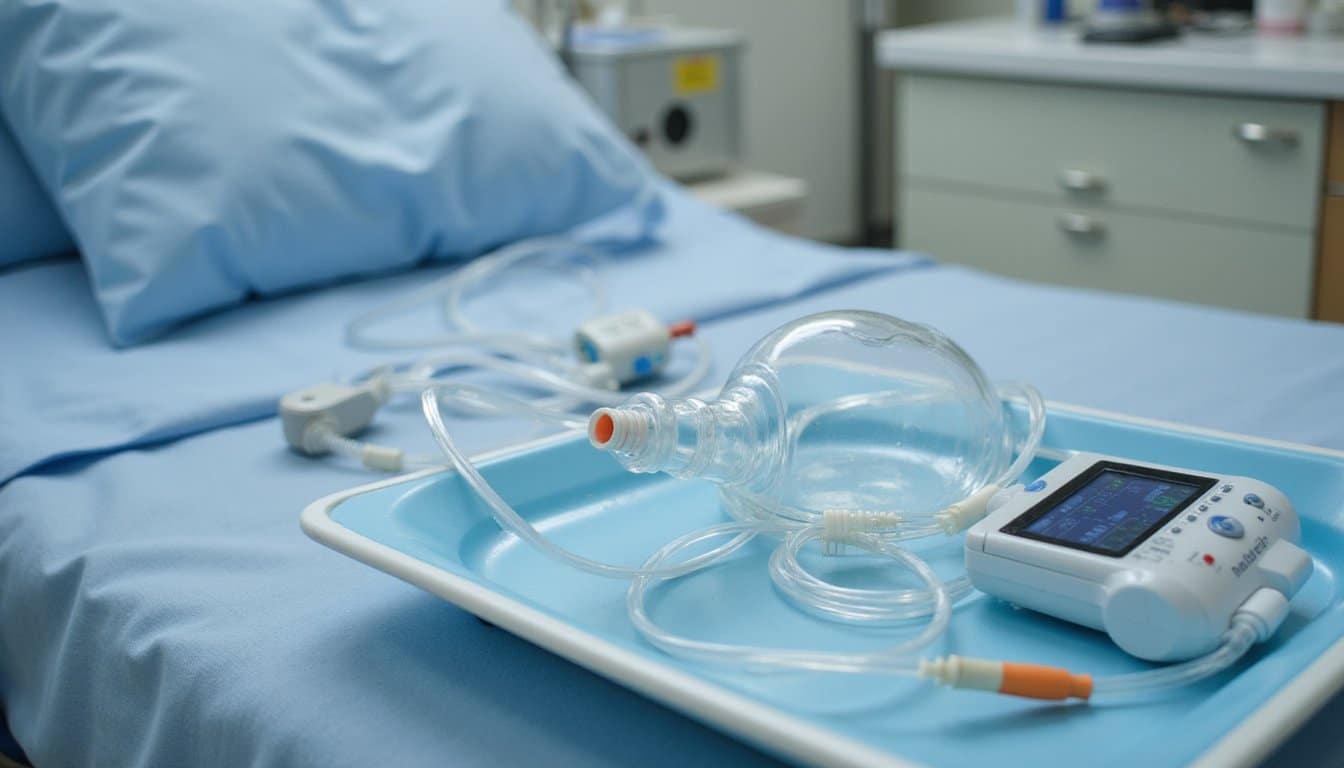
How does rapid detox differ from traditional withdrawal management? This accelerated method cleanses your body from opioids using general anesthesia to induce a medically-induced coma while withdrawal occurs. You’re placed on a breathing machine via intubation, allowing intense physical detoxification without conscious discomfort.
The procedure lasts several hours in a hospital or specialized detox center, followed by up to 24 hours of observation. Your medical team conducts effectiveness monitoring throughout, tracking crucial signs and physiological responses. Despite unconsciousness, your body experiences significant stress during accelerated withdrawal. It’s important to note that rapid detox is not FDA approved and remains classified as an experimental treatment.
Understanding anesthesia complications remains critical, not everyone qualifies for this approach. You’ll undergo thorough screening evaluating your physical health, substance use history, and ability to tolerate sedation. Reputable facilities are staffed by board-certified physicians, registered nurses, and addiction specialists who ensure proper candidate selection. Rapid detox addresses physical dependence only; follow-up treatment remains essential for psychological recovery.
How Opioid Antagonists Accelerate the Withdrawal Process
While anesthesia shields you from conscious suffering during rapid detox, opioid antagonists serve as the pharmacological engine driving the actual withdrawal process. Medications like naloxone and naltrexone bind to your opioid receptors, forcibly displacing attached opioids and triggering immediate precipitated withdrawal. This receptor clearance impacts your body dramatically, compressing what typically takes days into 4-6 hours.
| Antagonist | Administration Route | Primary Function |
|---|---|---|
| Naloxone | High-dose bolus/infusion | Initiates ultra-rapid detoxification |
| Naltrexone | Oral/extended-release | Maintains receptor blockade post-detox |
| Nalmefene | Injectable | Sustained receptor displacement |
Withdrawal symptom severity intensifies under this approach, producing hypertension, tachycardia, and vomiting. Clinicians combine antagonists with clonidine to control cardiac effects. The procedure also carries serious health risks including breathing problems, kidney failure, and cardiac issues that require careful medical supervision. However, you should understand this process clears physical dependence, it doesn’t cure addiction. This rapid clearance enables patients to safely begin extended-release naltrexone injections for long-term opioid addiction treatment, which would otherwise require waiting a week or longer after traditional detox.
Step-by-Step Breakdown of the Rapid Detox Procedure

Understanding the rapid detox procedure helps you prepare for what lies ahead during your treatment journey. Before undergoing this intensive process, you’ll complete thorough medical evaluations to guarantee you’re a suitable candidate, then receive carefully administered anesthesia while opioid antagonists work to cleanse your system. Following the procedure, you’ll enter a critical monitoring phase where your medical team tracks your recovery and manages any lingering withdrawal symptoms.
Pre-Procedure Medical Evaluations
Before undergoing rapid detox, you’ll complete a thorough medical evaluation that determines whether this procedure is safe and appropriate for your specific situation.
Your healthcare team will assess cardiovascular, pulmonary, hepatic, and renal function to identify conditions that increase procedural risk. They’ll review your complete substance-use history, including substances, doses, and last use. This comprehensive assessment mirrors the evaluation phase of standard detoxification, which includes screening for physical and mental health issues while measuring current drug levels in the body.
Key evaluation components include:
- Laboratory testing, CBC, metabolic panel, liver function, toxicology screening, and cardiac evaluation with ECG
- Psychiatric assessment, screening for co-occurring disorders, suicide risk, and cognitive capacity to consent
- Social evaluation, reviewing housing stability and support networks to guarantee continuity of care post-procedure
This inclusive treatment plan development process identifies contraindications such as severe cardiac disease, uncontrolled hypertension, or advanced liver failure. Your medical team uses these findings to stratify risk and determine candidacy.
Anesthesia and Drug Administration
Once your medical team confirms you’re a suitable candidate, the rapid detox procedure begins with induction of general anesthesia in a hospital or specialized facility. Anesthetic agents place you in a medically controlled coma while an endotracheal tube secures your airway. A ventilator manages your breathing throughout the 4-6 hour procedure.
While you’re sedated, physicians administer opioid antagonists like naltrexone or naloxone. These medications rapidly displace opioids from your brain receptors, triggering intense withdrawal, though you remain unaware of the symptoms. This approach carries potentially life-threatening side effects, which is why careful patient evaluation beforehand is essential. Individuals with pre-existing cardiovascular issues face heightened dangers, as the procedure carries risks of respiratory depression and cardiovascular complications.
Throughout this process, a board-certified anesthesiologist and skilled nurses maintain continuous patient monitoring. They track your heart rate, blood pressure, and respiration in real-time, ensuring your safety during this high-stress detoxification. By procedure’s end, opioids are flushed from your system, compressing what typically takes days into hours.
Post-Procedure Monitoring Phase
After you emerge from anesthesia, your medical team shifts focus to intensive observation that typically lasts several hours before discharge. During this critical phase, clinicians continuously track your vital signs, temperature, pulse, and blood pressure, while evaluating for dehydration and electrolyte imbalances that can compromise symptom stabilization.
Your monitoring includes evaluation of three key areas:
- Physical symptoms: nausea, vomiting, muscle spasms, sweating, and elevated respiratory rate
- Neurological indicators: heightened reflexes, enlarged pupils, and cognitive status
- Psychological stability: screening for psychosis or harmful ideation
If lingering withdrawal symptoms persist, your team administers supportive medications to maintain comfort. Many patients receive a Vivitrol injection immediately for relapse prevention and craving control. This structured post-procedure phase ensures you’re physically stable before moving to your personalized aftercare program.
Promised Benefits of Accelerated Addiction Treatment

When evaluating accelerated addiction treatment options, the promised benefits deserve careful examination against clinical evidence. ART delivers measurable outcomes in three to five sessions, offering swift relief for acute trauma and emotional distress during early recovery.
You’ll find that rapid trauma processing neutralizes relapse triggers effectively. Studies show 85-95% of program completers maintain abstinence nine months post-discharge, demonstrating maintained sobriety milestones that support long-term recovery goals. This approach works because ART helps individuals retain the knowledge of their past experiences while eliminating the emotional pain tied to those memories.
The financial advantages prove substantial. Every treatment dollar saves $4 in healthcare costs and $7 in criminal justice expenses, contributing to reduced recidivism rates across populations. Research confirms that longer treatment episodes consistently produce better outcomes than shorter ones, making it essential to balance speed with adequate therapeutic duration.
Quality of life improvements appear in 80% of patients completing treatment. You can expect better sleep, improved stress management, and healthier coping mechanisms as trauma-related emotional distress diminishes through targeted reprocessing techniques.
Critical Medical Risks and Safety Concerns to Consider
While rapid detox promises a shortcut through withdrawal, you should understand the serious medical risks before considering this procedure. Studies report fatality rates exceeding 2%, with deaths linked to cardiovascular stress, aspiration pneumonia, and pulmonary edema that occur when your body undergoes accelerated opioid withdrawal under anesthesia. Even after the procedure, you’ll likely experience persistent withdrawal symptoms that require intensive care monitoring and don’t eliminate the physical discomfort traditional detox methods address gradually. The procedure also involves general anesthesia with ventilator use, which increases your risk of infection and potential lung damage beyond the withdrawal-related complications.
Potential Fatal Complications
Understanding the potential fatal complications of rapid outpatient detox is essential before you consider this treatment approach.
CDC data reveals alarming near term mortality risks you shouldn’t ignore. In one study of 75 patients, two deaths occurred, representing over 2% mortality. This rate far exceeds standard detox protocols, which approach 0% fatality.
The most dangerous complications include:
- Systemic organ failure affecting your kidneys, liver, and cardiovascular system simultaneously under extreme physiological stress
- Respiratory arrest from anesthesia-suppressed breathing combined with withdrawal’s demands on your body
- Cardiac events including heart attacks triggered by accelerated detoxification and heightened sympathetic nervous system activity
Seven patients in the CDC study required emergency hospitalization for serious adverse events. These aren’t theoretical risks, they’re documented outcomes you must weigh carefully. Patients with underlying health conditions face an increased likelihood of adverse reactions with anesthesia, making this procedure even more dangerous for vulnerable individuals. Rapid detox also fails to address psychological cravings or the underlying causes of addiction, leaving patients vulnerable even if they survive the physical procedure.
Body Stress Under Anesthesia
Beyond the mortality statistics, your body faces intense physiological stress when anesthesia combines with accelerated withdrawal. This physiological trauma affects multiple organ systems simultaneously. Your respiratory system requires mechanical ventilation, increasing infection risk and potential lung injury. If you have asthma or COPD, these complications intensify greatly.
Your cardiovascular system bears substantial burden during rapid detox. The procedure’s demands can trigger dangerous cardiac events, particularly if you have pre-existing heart conditions. Anesthetic toxicity poses additional concerns when your liver or kidneys can’t efficiently metabolize these powerful drugs.
Your body awakens from this process highly agitated, confused, and delirious. Mental health conditions often worsen during or after the procedure. The combined stress of withdrawal intensification and anesthesia creates unpredictable responses that compromise your body’s already diminished resilience from substance use.
Post-Procedure Withdrawal Persistence
Even after you emerge from anesthesia-assisted rapid detox, withdrawal doesn’t simply end, it often persists for months or even years in a condition known as post-acute withdrawal syndrome (PAWS). Your symptoms may include anxiety, depression, sleep disruption, and impaired executive function that create significant relapse triggers.
PAWS symptoms vary by substance but commonly involve:
- Mood instability, irritability, emotional dysregulation, and anhedonia that undermine your recovery commitment
- Cognitive impairment, weakened impulse control and difficulty with decision-making
- Physical symptoms, fatigue, sleep problems persisting up to three years, and persistent cravings
You’ll need aftercare incorporating cognitive strategies like CBT, medication-assisted treatment, and mutual-help groups. Professional monitoring helps distinguish substance-induced symptoms from co-occurring mental health conditions requiring separate intervention.
Comparing Rapid Detox to Traditional Detoxification Methods
When considering detoxification options, understanding the key differences between rapid and traditional methods helps patients make informed treatment decisions.
Effectiveness Comparison
Rapid detox accelerates withdrawal under anesthesia over 1-2 days, while traditional detox spans 1-2 weeks, allowing your body gradual adjustment. Research shows rapid detox doesn’t demonstrate superior long-term recovery outcomes. Traditional methods integrate counseling and coping skills, addressing psychological addiction components that rapid protocols often neglect.
Rapid detox promises speed, but traditional methods deliver what matters most, integrated counseling and lasting psychological healing.
Affordability Tradeoffs
You’ll find significant cost differences between approaches. Rapid detox requires ICU monitoring, specialized anesthesia, and extensive pre-evaluation, driving higher expenses. Traditional detox offers more accessible pricing through various inpatient and outpatient formats.
Traditional detox carries lower safety risks through gradual medication protocols like buprenorphine or methadone. Rapid detox places intense physiological stress on your body, with studies documenting higher adverse effects without improved relapse prevention.
Evaluating Your Eligibility for Fast Detox Programs
Determining whether you’re a candidate for rapid outpatient detox requires an extensive assessment using ASAM’s six-dimension criteria. Your provider evaluates acute intoxication potential, biomedical conditions, and emotional or cognitive complications before recommending a treatment level.
Ambulatory detox guidelines establish specific patient assessment criteria you must meet:
- Mild to moderate withdrawal risk, Severe withdrawal symptoms disqualify you from outpatient settings and require 24-hour monitoring.
- Strong social support network, You need reliable people who can monitor your progress and assist during home-based recovery.
- Absence of complicating medical conditions, Co-occurring biomedical or mental health disorders may necessitate higher-intensity care.
Your substance type, usage duration, and recent consumption patterns also influence eligibility. Multi-substance abuse typically extends detox requirements, potentially shifting recommendations toward monitored settings.
Questions to Ask Before Choosing a Rapid Detox Facility
Demand transparency regarding evidence based outcomes, including completion rates, post-detox overdose statistics, and relapse data. Inquire about emergency transfer agreements with nearby hospitals.
| Question Category | Key Questions to Ask |
|---|---|
| Safety Standards | What’s your emergency response protocol? Do you have hospital transfer agreements? |
| Credentials | Is a board-certified addiction medicine physician directing care? |
| Outcomes | What are your completion and post-detox relapse rates? |
| Follow-Up | What linked aftercare programs do you require? |
Why Physical Detox Alone Cannot Address Psychological Dependence
Selecting a reputable rapid detox facility represents only the first step in recovery, understanding why detox alone can’t produce lasting sobriety matters equally. Physical detox removes toxins and manages withdrawal symptoms, but it doesn’t address the emotional toll of psychological dependence that drives continued substance use.
Your brain’s reward system has been altered, creating intense cravings and obsessive thought patterns that persist after detox ends. Research confirms long term therapy needs for relapse prevention include:
- Cognitive behavioral therapy to restructure harmful thinking patterns
- Individual or group counseling to address emotional triggers
- Support networks providing accountability and coping strategies
Without thorough treatment lasting one to four months, you’re left vulnerable to the psychological mechanisms that initially fueled your addiction.
Building a Comprehensive Recovery Plan After Rapid Treatment
While rapid detox clears substances from your system, you’ll need a structured aftercare plan to maintain long-term sobriety. The National Institute on Drug Abuse confirms that ongoing treatment substantially increases your recovery chances.
Rapid detox is just the beginning, lasting sobriety depends on comprehensive aftercare and ongoing treatment support.
Your aftercare program selection should include cognitive-behavioral therapy to develop coping mechanisms for triggers and cravings. Individual and family counseling address addiction’s root causes while repairing relationships affected by substance abuse.
Effective relapse prevention strategies require identifying your personal triggers and monitoring emotional, mental, and physical patterns. Medication-assisted treatment can normalize brain chemistry and reduce cravings when appropriate.
Build your support network through 12-Step programs or mutual-help fellowships. Establish daily routines incorporating exercise, balanced nutrition, and adequate sleep. Regular check-ups with your therapist and physician guarantee you’re progressing toward sustained recovery.
Frequently Asked Questions
How Much Does Rapid Detox Typically Cost Compared to Traditional Treatment?
You’ll typically pay $10,000 to $21,000 for rapid detox, while traditional treatment costs $1,000 to $5,600 depending on your average treatment duration and setting. Traditional outpatient programs run $250-$500 daily over 4-6 days, whereas inpatient options cost $250-$800 daily for 7 days. Don’t forget potential medication costs for follow-up care, which rapid detox pricing often excludes. Insurance rarely covers rapid detox, so you’ll likely face significant out-of-pocket expenses.
Will My Health Insurance Cover Rapid Detox Procedures?
Most health insurers don’t cover rapid detox procedures, classifying them as experimental or not medically necessary. Your insurance coverage details will likely exclude anesthesia-assisted methods while covering standard medical detox. To determine your reimbursement eligibility, contact your insurer directly and ask about substance use disorder benefits, specific exclusions for rapid detox, and pre-authorization requirements. You’ll typically face full out-of-pocket costs ranging from $10,000 to $21,000 for these procedures.
Can Rapid Detox Be Repeated if Relapse Occurs?
Technically, you can repeat rapid detox, but it’s not recommended. Each session compounds anesthesia risks, including respiratory complications and cardiac events. With relapse rates reaching 91% within the first year, repeated attempts don’t improve your outcomes. Your patient preparedness should include understanding that effective withdrawal management requires exhaustive aftercare, not multiple detox cycles. Evidence supports safer alternatives like buprenorphine-assisted detox combined with ongoing therapy for sustained recovery.
How Soon Can I Return to Work After Rapid Detox?
You can typically return to work within one to two weeks after rapid detox, depending on your short recovery timeline and individual response. Symptoms peak 1-3 days post-procedure, with stabilization taking several days to one week. Your work responsibilities impact when you’ll need medical clearance, physicians assess symptom resolution before approving your return. You’ll likely need workplace adjustments like flexible hours, and Return-to-Work Agreements may require drug testing for 6-12 months.
Are There Age Restrictions for Undergoing Rapid Detox Treatment?
There aren’t universal age limits for rapid detox, but most inpatient programs restrict treatment to adults 18 and older. You’ll need a thorough medical evaluation before proceeding, as rapid detox carries significant risks, including serious adverse reactions and death, regardless of your age. The American Society of Addiction Medicine discourages this approach entirely, recommending safer alternatives. If you’re an adolescent, you’ll require specialized programs addressing your unique developmental and cognitive needs.