






MDMA (ecstasy) typically remains detectable in your urine for 2-4 days, blood for 1-2 days, saliva for 1-3 days, and hair for up to 90 days after use. Your detection window depends on dosage, metabolism rate, frequency of use, and body composition. Regular users face extended detection periods, up to 7 days in urine, as the drug accumulates in fatty tissues. If you’ve ever wondered how long does molly stay in system, these variations explain why there’s no one-size-fits-all answer. Several factors can influence how quickly your body eliminates MDMA, including hydration, exercise, and liver function.
Understanding MDMA Metabolism in the Body

When MDMA (3,4-methylenedioxymethamphetamine) enters your bloodstream, your liver immediately begins metabolizing it through several pathways. The primary enzymes involved are CYP2D6, CYP1A2, and CYP3A4, which transform MDMA into metabolites including MDA (3,4-methylenedioxyamphetamine) and HMMA (4-hydroxy-3-methoxymethamphetamine). This process is crucial in understanding mdma drug test meaning, since tests typically identify these metabolites rather than the parent compound itself.
MDMA absorption rates vary markedly based on individual factors. After ingestion, peak blood concentrations typically occur within 1-2 hours, though this can extend to 3 hours with food in your stomach. Your body eliminates approximately half of MDMA’s concentration every 7-9 hours through these metabolic pathways.
Genetic variations in liver enzymes can dramatically affect how quickly you process MDMA. CYP2D6 “poor metabolizers” may experience prolonged effects and higher blood concentrations, while “ultra-rapid metabolizers” clear the drug faster, potentially reducing its psychoactive effects.
Detection Windows for Different Drug Tests
The human body’s metabolic processes determine not just how MDMA affects you but also how long it remains detectable in different biological specimens. Your individual metabolism, dosage consumed, and the test sensitivity all influence detection timeframes considerably.
| Sample Type | Detection Window | Factors Affecting Results |
|---|---|---|
| Urine | 2-4 days | Hydration, urine concentration |
| Blood | 1-2 days | Metabolic rate, liver function |
| Hair | Up to 90 days | Hair growth, test sensitivity |
Standard urine screenings can identify MDMA metabolites when concentrations exceed 500 ng/mL, though advanced testing methods detect levels as low as 50 ng/mL. You’ll typically test positive in urine for 2-4 days post-consumption, but this window extends with higher or repeated doses due to increased metabolite accumulation in your system. So if you’re asking how long does MDMA stay in urine, the answer usually falls within this 2, 4 day range.
Factors That Influence Ecstasy Elimination Rates

Your body’s elimination of MDMA depends on several physical factors including your metabolism, body mass, maturity, and organ function. The amount of ecstasy you’ve taken considerably impacts clearance time, with higher doses remaining detectable for longer periods. Frequent use can lead to accumulation in your system, as the drug may not be fully metabolized before you introduce supplementary doses.
Physical Factors
Individual physical characteristics substantially influence how quickly ecstasy (MDMA) is eliminated from your system. Your unique physiological makeup determines the drug’s clearance rate through diverse metabolic pathways.
- Body composition – Higher body fat percentage can extend MDMA’s presence since fat-soluble metabolites may store in adipose tissue, prolonging detection timeframes
- Metabolic rate – Faster metabolism accelerates MDMA processing through your liver’s cytochrome P450 enzymes, potentially shortening detection windows
- Kidney function – Reduced renal clearance in those with impaired kidney function slows excretion of MDMA metabolites
- Age-related factors – Older individuals typically experience slower hepatic metabolism and decreased renal function, extending the drug’s elimination half-life
These physical determinants work collectively alongside other factors to establish your specific MDMA clearance timeline.
Dosage and Frequency
Two primary factors, dosage and frequency of use, critically influence how long MDMA remains detectable in your system. Higher doses of ecstasy consistently lead to extended detection windows across all testing methods. The dosage effects correlate directly with elimination timelines, as your body needs more time to process larger quantities of the drug.
Frequency impact is similarly significant. Regular users develop accumulation of the drug in fatty tissues, extending detection periods substantially compared to one-time users.
| Usage Pattern | Urine Detection | Blood Detection |
|---|---|---|
| Single low dose | 1-3 days | 1-2 days |
| Single high dose | 2-5 days | 1-3 days |
| Regular use | Up to 7 days | 2-4 days |
| Heavy chronic use | Up to 10 days | 3-5 days |
Your metabolism fundamentally determines these timeframes, which may vary between individuals.
Urine Testing: The Most Common Detection Method
Urine tests can detect MDMA for 2-4 days after use, with higher doses extending this window to nearly a week. For users curious about how long does molly stay in pee, this timeframe is generally the benchmark. Your dosage directly impacts detection timeframes, as larger amounts require longer elimination periods from your system. Standard urinalysis screens capture MDMA metabolites most effectively during the initial 48 hours post-consumption when concentrations peak.
Detection Window Timeframes
In regard to detecting MDMA in your system, urine testing remains the most widely employed screening method in multiple settings. The detection window varies based on several factors including dosage, frequency of use, metabolism variations, and individual body chemistry.
Typical ecstasy detection timeframes:
- Urine tests – MDMA remains detectable for 2-4 days after use, with heavy users potentially testing positive for up to 7 days
- Blood screening – Detects ecstasy for approximately 1-2 days following consumption
- Saliva tests – Usually effective for 1-3 days after ingestion
- Hair follicle analysis – Can identify ecstasy effects and use patterns for up to 90 days, making it the longest detection window available
These timeframes aren’t absolute and may fluctuate depending on your metabolism, hydration levels, and general health status.
Dosage Affects Results
While detection windows show the thorough timeline for testing, the amount of MDMA you’ve consumed directly impacts how long the substance remains detectable in your system. Higher doses typically extend detection periods across all testing methods, particularly in urine samples where metabolites concentrate.
A standard recreational dose (100-125mg) might be detectable for 2-4 days, while higher amounts (200mg+) could extend detection to 5+ days. This dosage impact varies greatly due to user variability, your metabolism, body weight, hydration levels, and frequency of use all influence elimination rates.
First-time users generally clear MDMA faster than regular consumers, whose systems may retain metabolites longer. If you’re facing a drug test, keep in mind that doubling your typical dose might more than double your detection window.
Hair Follicle Analysis: Long-Term Detection Capabilities
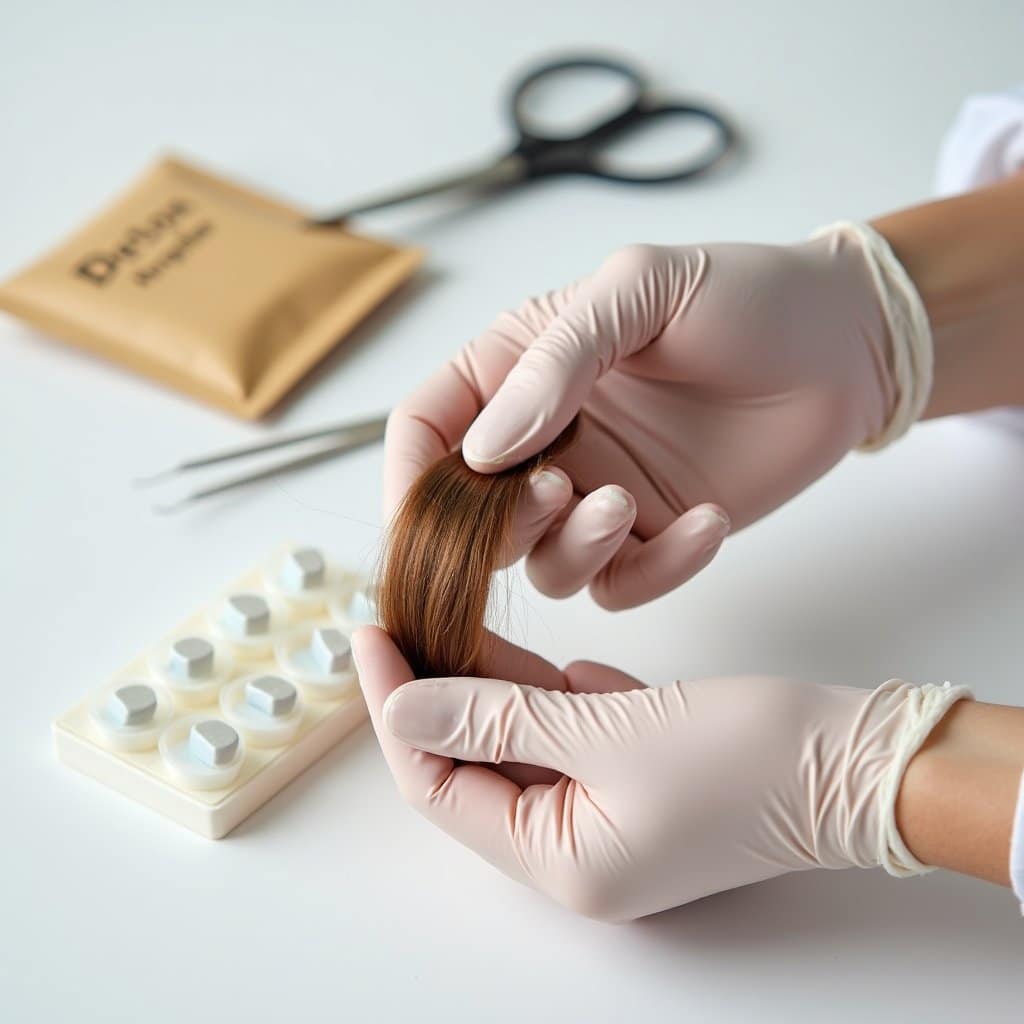
Hair follicle testing offers considerably longer detection windows compared to other testing methods, as MDMA metabolites become incorporated into the hair shaft during growth. This testing methodology utilizes the hair structure to detect drug use patterns over extended periods.
Hair analysis can detect ecstasy use for up to 90 days, though the exact timeframe depends on testing accuracy and laboratory protocols. You’ll find this method particularly useful for establishing long-term usage patterns rather than recent consumption.
Key hair testing characteristics include:
- Detection window of approximately 3 months (1cm of hair ≈ 30 days of history)
- Requires 100-120 strands with intact roots
- Not affected by most adulterants or cleansing attempts
- Can differentiate between one-time use and chronic consumption through segmental analysis
Blood and Saliva Testing Timeframes
Unlike hair follicle testing‘s extended detection window, blood and saliva tests identify more recent MDMA consumption. Blood testing offers a narrow detection period of approximately 1-2 days after use, making it primarily useful for confirming active intoxication or very recent use. The concentration of MDMA in blood peaks within 1-3 hours after ingestion and then steadily declines.
Saliva testing provides a comparable short detection window, typically 1-3 days. This method is increasingly preferred for roadside drug screening due to its non-invasive collection process and ability to detect current impairment. Both testing methods can detect MDMA’s metabolites, particularly MDA, which remains present slightly longer than the parent compound. Detection timeframes vary based on dosage, metabolism rate, and frequency of use.
How Regular Use Affects Detection Periods
Regular consumption of MDMA considerably extends detection periods across all testing methods compared to single-use scenarios. When you use ecstasy frequently, the drug accumulates in your system, particularly in fatty tissues, creating a longer elimination timeline. This also means that anyone researching how long does molly stay in system for regular users should expect substantially longer detection periods than for first-time use.
- Tolerance development – Your body’s enzyme systems become overwhelmed with repeated use, slowing metabolic clearance by up to 40%
- Lipid storage – MDMA metabolites bind to fat cells, extending detection windows from days to weeks in chronic users
- Liver function impact – Regular use can reduce hepatic efficiency, delaying the breakdown of MDMA compounds
- Psychological effects – Frequent consumption alters neurotransmitter systems, potentially extending both detection periods and recovery time
If you’re a regular user, expect detection times to be 2-5 times longer than occasional use timeframes across all testing methodologies.
Strategies for Faster MDMA Clearance From Your System
While complete elimination of MDMA from your system follows a relatively fixed timeline, several evidence-based approaches can potentially expedite this process. Hydration strategies represent the most accessible intervention, consuming 2-3 liters of water daily boosts urinary excretion of MDMA metabolites. Avoid excessive intake, however, as water toxicity risks exist. If you’re worried about an upcoming test and wondering how long does MDMA stay in urine, staying hydrated and maintaining a healthy metabolism can support faster clearance.
Established detoxification methods include moderate aerobic exercise, which increases metabolism and perspiration, both pathways for MDMA elimination. Nutritional approaches featuring antioxidant-rich foods may support liver function during detoxification. These include cruciferous vegetables and berries containing compounds that upregulate detoxification enzymes.
Activated charcoal supplements can potentially bind remaining drug molecules in your digestive tract, though this intervention works best shortly after ingestion rather than days later.
Frequently Asked Questions
Can MDMA Use Be Detected During a Standard Employment Drug Screening?
MDMA can be detected in standard employment drug screenings. Most employment policies include drug testing for MDMA as part of their thorough 5-panel or 10-panel tests. You’ll typically test positive for 1-4 days in urine tests, which are most commonly used by employers. Hair tests can detect use for up to 90 days. Blood and saliva tests have shorter detection windows but aren’t typically used in employment settings unless required by specific industry regulations.
Will Prescription Medications Cause False Positives for Ecstasy?
Some prescription medications can cause false positives for MDMA on drug screenings. Certain antidepressants (particularly SSRIs like sertraline), antihistamines, and antipsychotics may trigger these results due to similar molecular structures. If you’re taking prescription medications, inform testing administrators beforehand and bring documentation of your prescriptions. Modern confirmatory tests like GC-MS or LC-MS/MS can distinguish between legitimate medications and MDMA, considerably reducing false positive concerns when proper testing protocols are followed.
How Does Alcohol Consumption Affect MDMA Detection Times?
Alcohol consumption can potentially extend MDMA detection times in your system. When you combine these substances, your liver prioritizes metabolizing alcohol initially, which slows MDMA elimination. This alcohol interaction may increase detection windows by several hours in urine, blood, and saliva tests. Furthermore, alcohol’s dehydrating effect concentrates urine samples, potentially improving testing accuracy for MDMA metabolites. For most accurate test results, you should disclose all substances consumed when undergoing drug screening.
Can Secondhand Exposure to MDMA Result in a Positive Test?
Secondhand exposure to MDMA is unlikely to result in a positive drug test. Unlike passive smoke exposure with cannabis, MDMA metabolites aren’t typically transferred in sufficient quantities through casual contact or proximity to users. You’d need direct contact with the substance or consumption of contaminated food/drink to test positive. Most drug tests detect MDMA metabolites that are produced only when your body processes the drug internally, not from external exposure.
Is There a Difference Between Detection Times for MDMA Pills Versus Crystals?
There’s no significant difference in detection duration between MDMA pills versus crystals. Both forms contain the same active compound, which your body metabolizes at the same rate regardless of ingestion method. The detection window depends primarily on the test type used, your metabolism, dosage consumed, and frequency of use, not the physical form. Pill vs crystal differences mainly affect onset time and absorption rate, not how long the substance remains detectable in your system.