




If you or someone you love has been struggling with alcohol use disorder, one of the most common fears about getting help is this: Will quitting hurt? It’s a fair question, and an important one. The honest answer is that alcohol withdrawal can be uncomfortable, and for some people, it can be medically serious. But here’s the equally important truth: with professional medical support, those symptoms can be managed safely and more comfortably than you might imagine.
At Cobb Outpatient Detox in Marietta, Georgia, we help people through alcohol detox every single day, without requiring them to check into an inpatient facility or put their lives on hold. This guide will walk you through exactly what happens during alcohol withdrawal, why symptoms occur, and how a medically supervised outpatient detox program can make the process far safer and more manageable.
Why Does Quitting Alcohol Cause Withdrawal Symptoms?

To understand why quitting alcohol can be painful, it helps to understand what alcohol does to the brain over time. Alcohol is a central nervous system depressant. When someone drinks heavily and consistently, the brain adapts by ramping up its own activity to compensate, essentially working harder to stay balanced. Over time, the brain begins to rely on alcohol to function normally.
When alcohol is suddenly removed, the brain is still in that heightened, overactive state, but there’s no longer anything calming it down. That imbalance is what causes withdrawal symptoms. The longer and heavier the drinking history, the more significant the brain’s adaptation, and the more intense the withdrawal can be.
This is why quitting alcohol “cold turkey” on your own can be dangerous, and why medically supervised detox is so strongly recommended for anyone with moderate to severe alcohol use disorder.
What Are the Symptoms of Alcohol Withdrawal?
Alcohol withdrawal symptoms can vary widely depending on factors like how long someone has been drinking, how much they typically consume, their overall health, and whether they’ve gone through withdrawal before. Symptoms generally fall into three stages:
Stage 1: Mild Symptoms (6, 12 Hours After Last Drink)

Withdrawal symptoms often begin within 6 to 12 hours of the last drink. At this stage, they are typically uncomfortable but manageable. Common early symptoms include:
- Anxiety and restlessness
- Headache
- Mild tremors or shakiness
- Sweating
- Nausea or upset stomach
- Heart palpitations
- Difficulty sleeping
Stage 2: Moderate Symptoms (12, 48 Hours After Last Drink)
As withdrawal progresses, symptoms can intensify. During this stage, people may experience:
- Increased blood pressure and heart rate
- Confusion or difficulty concentrating
- Heightened anxiety or agitation
- More pronounced tremors
- Clammy skin
- Loss of appetite
- Mild fever
Stage 3: Severe Symptoms (24, 72 Hours After Last Drink)
In more serious cases, particularly among heavy, long-term drinkers, withdrawal can escalate to severe and potentially life-threatening symptoms, including:
- Seizures
- Visual, auditory, or tactile hallucinations
- Severe confusion and disorientation
- Delirium tremens (DTs), a dangerous condition involving extreme agitation, high fever, and rapid heartbeat
Delirium tremens occurs in a small percentage of people going through alcohol withdrawal, but it is a medical emergency that requires immediate professional attention. This is one of the most critical reasons why attempting to detox from alcohol alone at home can be so dangerous.
The Alcohol Withdrawal Timeline: What to Expect Day by Day
Understanding the general timeline of alcohol withdrawal can help reduce fear of the unknown. While every individual’s experience is different, here’s how the process typically unfolds:
Hours 6, 12: Early symptoms emerge, anxiety, headache, sweating, and mild tremors. Most people are still functional but uncomfortable.
Hours 12, 48: Symptoms intensify. This is often when nausea, increased blood pressure, and stronger tremors develop. Some individuals may experience withdrawal seizures during this window.
Hours 24, 72: Symptoms typically peak. This is the most critical phase, and the window when delirium tremens is most likely to occur in high-risk individuals.
Days 4, 7: For most people, physical symptoms begin to subside. Fatigue, mood changes, and sleep difficulties may linger.
Weeks 1, 4: Psychological symptoms, including cravings, anxiety, and depression, may persist. This post-acute withdrawal phase is why ongoing counseling and support are so important.
How Does Medical Detox Manage These Symptoms?
This is where professional outpatient detox truly makes a difference. A medically supervised alcohol detox program doesn’t just monitor you, it actively intervenes to reduce suffering, prevent complications, and keep you safe throughout the process. Here’s how:
Individualized Taper Plans
Rather than stopping alcohol abruptly, medical detox teams often use a gradual tapering approach. This may involve slowly reducing alcohol intake or using medications that mimic alcohol’s effect on the brain, allowing the nervous system to adjust more gently. At Cobb Outpatient Detox, every client receives a customized detox taper designed specifically for their history, health status, and withdrawal risk level.
Medications to Prevent and Manage Symptoms
One of the most powerful tools in medically supervised detox is medication. Physicians may use a combination of the following to manage withdrawal safely:
- Benzodiazepines (such as Valium or Ativan): These are the gold-standard medications for alcohol withdrawal. They calm the nervous system, reduce anxiety, ease tremors, and, critically, help prevent seizures.
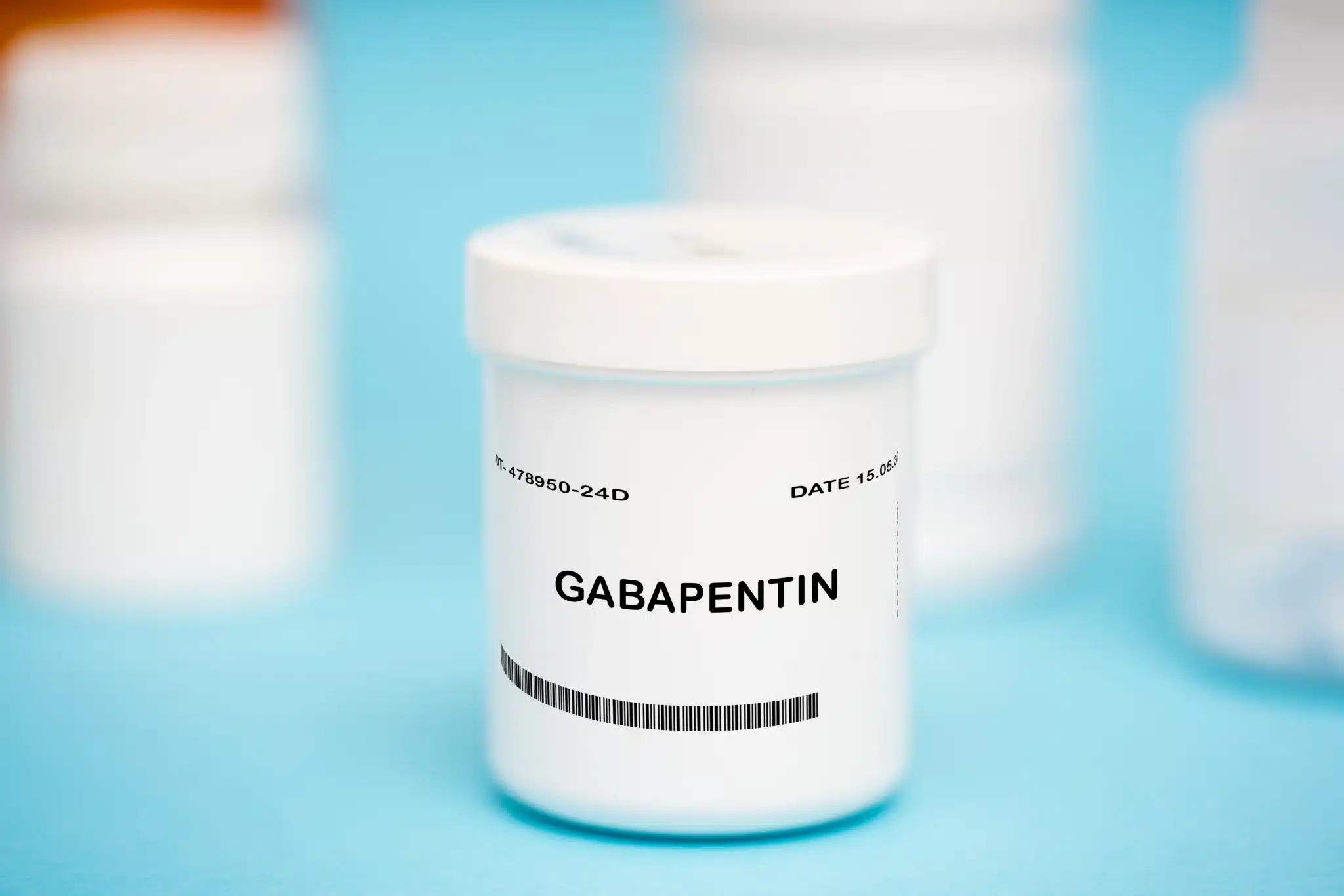
- Anti-seizure medications: In some cases, medications like gabapentin or Depakote may be used to further reduce seizure risk.
- Beta-blockers: These can help manage elevated heart rate and blood pressure during withdrawal.
- Thiamine (Vitamin B1) and other supplements: Heavy alcohol use depletes essential nutrients, and replenishing them is a key part of safe detox.
Regular Medical Monitoring
Medical detox programs use standardized tools, like the CIWA-Ar to objectively measure the severity of withdrawal symptoms at regular intervals. This allows the medical team to adjust medications and interventions in real time, catching any escalation before it becomes dangerous.
Emotional and Psychological Support
Detox isn’t purely a physical process. Anxiety, depression, shame, and fear are all common during withdrawal. At Cobb Outpatient Detox, clients have access to master’s level therapists and counselors throughout the detox process, not just after. This integrated support helps clients feel less alone and more grounded during what can be an emotionally difficult time.
Outpatient Alcohol Detox in Georgia: Is It Right for You?
Many people assume that alcohol detox requires an extended inpatient hospital stay. But for individuals with mild to moderate withdrawal risk, outpatient detox can be a highly effective, and far less disruptive, option.
Cobb Outpatient Detox operates as an ASAM Level 2.7 program, which means we provide medically monitored detox in a structured outpatient setting. You come in for treatment, sometimes for as little as an hour a day, and then go home. You keep your job. You stay close to your family. You maintain your life while getting the medical care you need.
Outpatient detox may be appropriate if you:
- Have mild to moderate withdrawal symptoms
- Have a stable home environment with a supportive person present
- Do not have a history of severe withdrawal complications like seizures or DTs
- Have no serious co-occurring medical conditions that require 24/7 monitoring
- Are committed to attending daily check-ins and following your treatment plan
If your situation calls for a higher level of care, our team will be upfront about that and help connect you with the right resources. Your safety always comes first.
Life After Alcohol Detox: What Comes Next?
Completing alcohol detox is a major accomplishment, but it’s also just the beginning of the recovery journey. Detox addresses the physical dependence on alcohol, but the psychological patterns, triggers, and underlying issues that contribute to alcohol use disorder require ongoing treatment.
At Cobb Outpatient Detox, every client receives comprehensive aftercare planning as part of their program. Our team works closely with each person to identify the best next steps, whether that’s a Partial Hospitalization Program (PHP), Intensive Outpatient Program (IOP), individual therapy, or peer support groups. We also collaborate directly with referring providers and family members to ensure a smooth and supported transition.
Recovery is not a single event. It’s a process, and you deserve a team that will walk through every phase of it with you.
Don’t Let Fear of Pain Keep You from Getting Help
Fear of withdrawal is one of the most common reasons people delay seeking help for alcohol use disorder. And that fear is understandable, withdrawal is real, and it can be serious. But the risks of continuing to drink heavily far outweigh the temporary discomfort of a medically managed detox.
With the right medical support, alcohol withdrawal doesn’t have to be a harrowing ordeal. It can be a manageable, supervised, and even empowering process, one that marks the beginning of a healthier life.
At Cobb Outpatient Detox, serving Marietta, Atlanta, and the surrounding communities of Cobb County, we’ve helped countless Georgia residents safely through alcohol withdrawal, while keeping their lives intact. Our experienced medical team, licensed therapists, and compassionate staff are here to make sure you’re never going through this alone.
Ready to Take the First Step?
If you or a loved one is struggling with alcohol use disorder in the Atlanta metro area, don’t wait. Reach out to Cobb Outpatient Detox today, our team is ready to answer your questions, verify your insurance, and help you find the right level of care. Your information is completely confidential, and we’ll respond with the care and understanding you deserve.
Contact us here to take the first step toward recovery.
You don’t have to keep suffering. Help is here, and recovery is possible.