





Understanding THC and the Endocannabinoid System
Your body contains a sophisticated signaling network called the endocannabinoid system (ECS), which plays a central role in how cannabis affects you. This system regulates essential functions including mood, pain perception, appetite, and stress response through CB1 receptors concentrated in your brain and CB2 receptors found primarily on immune cells. The endocannabinoid system is also prevalent throughout the male reproductive tract, including the testis, seminal vesicles, and corpus cavernosum.
When you consume cannabis, THC mimics your natural endocannabinoids by binding to these same receptors. However, there’s a critical difference: your body produces endocannabinoids in small, controlled amounts and breaks them down rapidly. THC delivers much higher doses and persists far longer in your tissues. This sustained, intense activation of CB1 receptors, particularly in brain regions controlling cognition and reward, explains why THC produces pronounced psychoactive effects that your natural cannabinoids don’t. CB1 activation also leads to inhibition of calcium channels and reduced cAMP levels, which further disrupts normal neural signaling during overconsumption.
How Cannabis Overconsumption Triggers Greening Out
When THC floods your CB1 receptors beyond their normal capacity, the system designed to maintain balance becomes overwhelmed. High THC potency in concentrates and modern strains delivers doses your endocannabinoid system can’t process efficiently, triggering nausea, shaking, and sensory overload. This excessive stimulation creates an imbalance in neurotransmitters, which is why the experience feels so intensely dysregulating.
Your consumption methods directly influence greening out risk. Vaping delivers THC rapidly, while edibles‘ delayed onset leads to accidental overconsumption. Mixing substances, particularly alcohol with cannabis, amplifies effects profoundly, causing disorientation and intensified symptoms. Alcohol can actually increase THC absorption, which accelerates and intensifies the greening out process.
User experience factors matter greatly. If you’re inexperienced, you lack the tolerance that regular users develop. Physiological vulnerabilities compound this risk: dehydration, low blood sugar, and pre-existing anxiety conditions lower your threshold for THC toxicity. Understanding these triggers helps you recognize why greening out varies between individuals. Additionally, environmental factors such as setting and company can significantly influence your experience. For some users, the duration of greening out effects may feel longer when surrounded by unfamiliar or uncomfortable situations, amplifying their anxiety.
Physical Symptoms Your Body Experiences During a Green Out

How does your body signal that THC has overwhelmed your system? Your gastrointestinal tract responds first, nausea strikes as the primary warning sign, often escalating to vomiting that risks dehydration. You’ll likely experience abdominal pain and cramping as your digestive system struggles to cope with excessive cannabinoid levels. Repeated episodes may indicate cannabinoid hyperemesis syndrome, a condition marked by intense, recurring vomiting bouts.
Beyond your stomach, cardiovascular changes emerge rapidly. Your heart rate spikes while blood pressure drops, creating fainting risks. You’ll notice excessive sweating and facial paleness as your autonomic nervous system enters overload. This distinct loss of color in your face serves as a visible indicator that others can recognize when you’re greening out. These cardiovascular symptoms can be particularly dangerous with synthetic cannabis, which has been linked to potential sudden death due to cardiovascular strain. Recognizing these signs is crucial for anyone using cannabis, as understanding greening out effects can help prevent dangerous situations. It’s vital to stay hydrated and seek a calm environment if you begin to feel unwell, as this can mitigate some of the intense reactions.
Neuromuscular symptoms compound the distress, dizziness, muscle tremors, and impaired coordination make standing difficult. Your legs may shake uncontrollably while ataxia disrupts normal movement patterns.
Psychological Effects and Mental Distress While Greening Out
When you’re greening out, your mind can become as overwhelmed as your body. You may experience intense anxiety or full-blown panic attacks as THC floods receptors in brain regions that regulate fear and emotional responses. Disorientation and sensory overload often compound this distress, leaving you feeling disconnected from your surroundings and unable to focus. Paranoia and confusion are also common psychological symptoms that can make the experience feel overwhelming and frightening. Novice users who haven’t yet established their tolerance are particularly vulnerable to these intense psychological effects.
Anxiety and Panic Attacks
THC can set off an acute anxiety surge by activating the amygdala and stress circuits in your brain, sharply amplifying fear responses beyond what you’d normally experience. This explains what causes greening out to feel so terrifying, your brain’s alarm system goes into overdrive. Understanding why greening out happens helps you recognize that panic attacks during cannabis intoxication aren’t random; they’re direct causes of greening out when THC overwhelms your system.
What causes someone to green out often involves these panic symptoms:
- Sudden, crushing fear that you’re dying or losing control
- Racing heartbeat with chest tightness that mimics a heart attack
- Overwhelming sense of doom that feels inescapable
If you have underlying anxiety or depression, what causes you to green out may require even less THC to trigger severe psychological distress. This vulnerability is significant given that approximately 30% of individuals with panic disorder misuse alcohol and 17% use drugs like cocaine and marijuana, suggesting a complex relationship between substance use and anxiety disorders. Panic disorder itself is characterized by unexpected episodes of intense fear with physical symptoms including chest pain, heart palpitations, and shortness of breath, symptoms that occur out of the blue without a known stressor, which can make greening out episodes particularly confusing and frightening.
Disorientation and Sensory Overload
Because THC disrupts the brain regions responsible for processing time, space, and self-awareness, greening out often plunges you into profound disorientation that feels impossible to escape. Minutes stretch into hours, distances become impossible to judge, and your surroundings may seem dreamlike or unreal. You might feel detached from your own body, as if watching yourself from outside. This experience can escalate into panic attacks and depersonalization that linger even after other symptoms subside.
Sensory overload compounds this distress considerably. THC amplifies your perception of sounds, lights, and touch, transforming ordinary environments into overwhelming experiences. Bright lights feel blinding, conversations become impossible to follow, and your heightened awareness of internal sensations, your racing heartbeat, shallow breathing, gets misinterpreted as imminent danger. Your brain struggles to filter competing stimuli, creating cognitive chaos. This simultaneous flooding of visual, auditory, and bodily signals strains your capacity to process information, deepening confusion and mental shutdown.
Key Risk Factors That Increase Your Chances of Greening Out
Several distinct factors substantially raise your likelihood of greening out, and recognizing them before you consume can prevent a distressing experience. New or infrequent use creates low physiological tolerance to THC, making your body highly susceptible to overwhelming effects even at modest doses.
Knowing your risk factors before consuming cannabis is the key to avoiding a greening out experience.
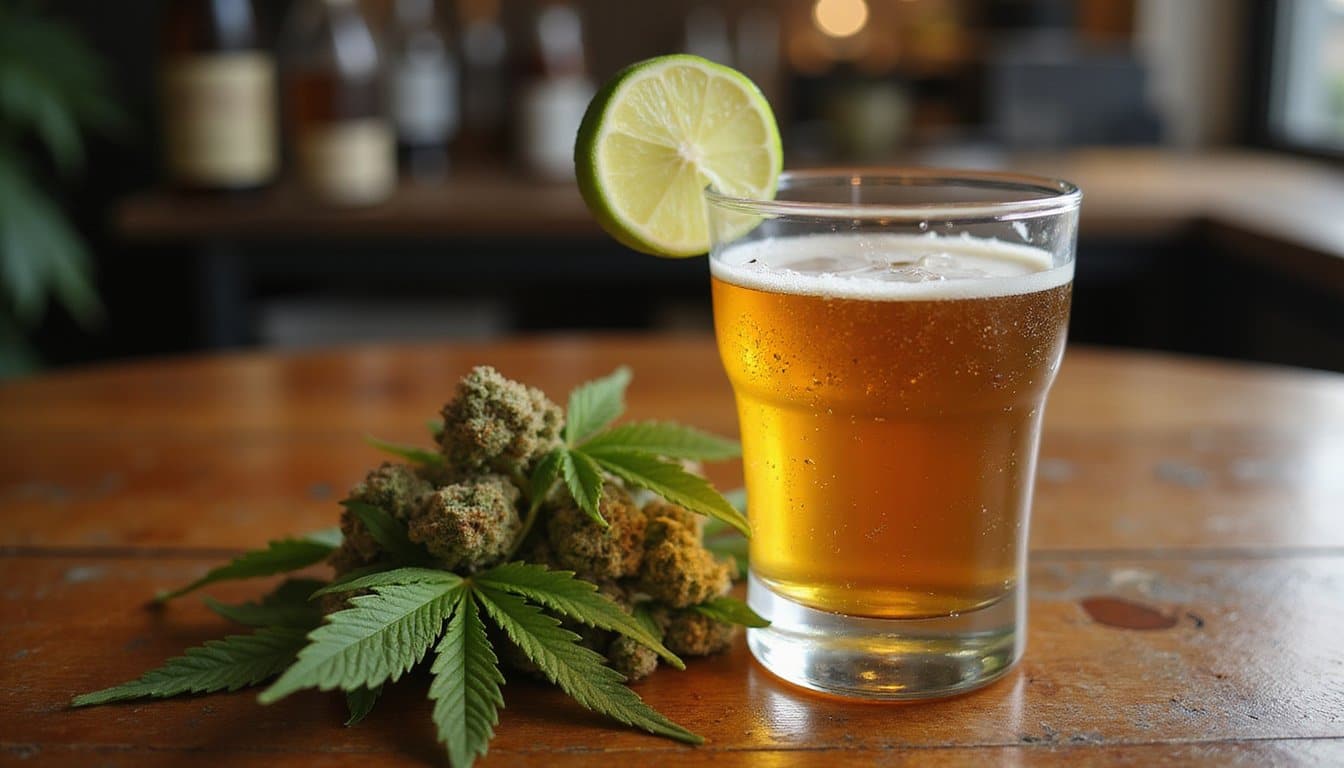
Your physical state matters critically. An empty stomach accelerates THC absorption, while dehydration and low blood sugar intensify dizziness and nausea. Mixing cannabis with alcohol dramatically increases blood THC levels, compounding disorientation.
- You’re consuming after a tolerance break, returning to doses your body can no longer handle
- You’re using in high-pressure social settings where overconsumption feels normalized
- You don’t know the product’s potency, risking accidental overdose
Pre-existing anxiety disorders and acute emotional distress amplify psychological reactions, transforming manageable intoxication into full panic. Those with a history of mental illness or substance use should be particularly cautious, as they face heightened vulnerability to adverse reactions. Edibles pose particular danger because their delayed but long-lasting effects can lead users to consume additional doses before feeling the initial impact, resulting in an overpowering experience.
The Role of Edibles, Concentrates, and High-Potency Products
When you consume edibles, the delayed onset of 30 to 90 minutes often leads to accidental redosing before you feel the initial effects, substantially increasing your risk of greening out. Concentrates pose an even more immediate threat, with THC levels reaching 90% or higher, a single dab can overwhelm your system within seconds and trigger sudden dizziness, panic, or severe disorientation.
Understanding proper dosing becomes critical when you’re dealing with products that vary dramatically in potency, from 2.5 mg edibles to 100 mg beverage shots. Frequent concentrate use can also lead to increased tolerance buildup, which may push users to consume dangerously high amounts to achieve their desired effects.
Delayed Edible Onset Dangers
Many people who green out from edibles do so because they’ve consumed a second or third dose before the first one kicks in. Standard edibles take 30, 90 minutes to produce effects, with some requiring up to 180 minutes. This delay creates a dangerous window where you might assume the product isn’t working and take more.
When multiple doses stack, plasma THC concentrations spike dramatically. The resulting intoxication can be severe enough that you wonder can greening out last for days,and while acute symptoms typically resolve within hours, residual effects may linger.
- You won’t feel it coming: Peak intoxication hits 1.5, 3 hours after ingestion
- You can’t undo it: Once consumed, you’re committed to the full experience
- You’re processing a stronger metabolite: 11-hydroxy-THC intensifies and prolongs effects
Concentrate Potency Risks
Because concentrates like dabs, wax, shatter, and vape cartridges contain 60, 90% THC, compared to 15, 21% in typical flower, they deliver a vastly more intense dose in a single hit. This extreme potency explains why you can green out on weed concentrates far more easily than with traditional cannabis.
| Product Type | THC Concentration | Risk Level |
|---|---|---|
| Flower | 15, 21% | Moderate |
| Vape Cartridges | 60, 90% | High |
| Dabs/Wax/Shatter | 70, 90% | Severe |
Research links high-potency concentrate use to acute psychosis, severe anxiety, tachycardia, and syncope-like episodes. You’re also at elevated risk for cannabis use disorder and cannabinoid hyperemesis syndrome with repeated exposure. The rapid THC absorption overwhelms your endocannabinoid system, triggering the nausea, disorientation, and collapse characteristic of greening out.
Dosing Challenges Vary
How accurately can you dose an edible when 60% of products contain markedly less THC than labeled, while others exceed stated amounts? This inconsistency creates significant DoseTitrationDifficulty, unlike smoking where you can adjust intake based on immediate effects. With edibles, effects take up to 3 hours to manifest, lasting 12 hours with unpredictable intensity.
Research shows 1 mg of edible THC equals 5.71 mg smoked, a conversion most users don’t understand. Individual tolerance varies dramatically: 2.5 mg works for some, while others require over 50 mg.
- You can’t gauge your dose when labels misrepresent THC content by 50% or more
- You risk consuming an entire 100 mg chocolate bar thinking it’s a single serving
- You face 33 times higher ER visit rates from edibles compared to expected sales ratios
Long-Term Concerns From Repeated Greening Out Episodes
While a single greening out episode typically resolves without lasting effects, repeated episodes signal a pattern that can’t be ignored. Frequent overuse indicates you’re at heightened risk for CannabisUseDisorder, characterized by using more than intended or struggling to cut back despite consequences.
Repeated episodes carry serious health implications. You face elevated risk of developing anxiety and panic disorders that persist long after cannabis leaves your system. Cognitive impairments, including memory loss, reduced focus, and learning difficulties, accumulate with chronic use. These cognitive challenges can hinder daily functioning and impact relationships, leading to further emotional distress. Individuals struggling with psychological dependence may benefit from cannabis detox treatment, which provides support in overcoming withdrawal symptoms and promoting mental clarity.
Physical health deteriorates too. Chronic nausea causes dehydration and electrolyte imbalances, while heavy use compromises lung function and increases cardiovascular risks. Mental health threats extend to psychosis, depression, and schizophrenia. If you’re experiencing frequent greening out episodes, seek professional evaluation immediately.
Frequently Asked Questions
Can You Green Out From Secondhand Cannabis Smoke Exposure?
You’re unlikely to green out from secondhand cannabis smoke under normal conditions. However, if you’re exposed to high-THC smoke in an unventilated room for extended periods, you can absorb enough cannabinoids to experience impairment, nausea, and anxiety, symptoms that mirror greening out. Your risk increases if you’re THC-sensitive, have no tolerance, or remain in poorly ventilated spaces. Ventilation dramatically reduces absorption, so you should move to fresh air immediately if symptoms develop.
How Long Does a Typical Greening Out Episode Last?
A typical greening out episode lasts 1-2 hours, with acute symptoms often resolving within 30 minutes to a few hours. If you’ve smoked or vaped, you’ll likely recover faster, usually within 1-3 hours. However, if you’ve consumed edibles, expect symptoms to persist considerably longer, potentially 10+ hours due to slower metabolism. Your hydration levels, tolerance, and the amount you’ve consumed directly influence your recovery timeline.
Does CBD Help Prevent or Reduce Greening Out Symptoms?
Yes, CBD can help prevent and reduce greening out symptoms. It works by blocking THC metabolism in your liver, counteracting THC’s effects on brain receptors, and calming your body’s stress response. You’ll want to keep CBD isolate on hand, it reduces anxiety, nausea, and panic associated with THC overload. Take it before consuming cannabis or at the first sign of symptoms. Effects typically begin within 15-20 minutes.
Can Greening Out Cause Permanent Brain Damage?
A single greening-out episode is very unlikely to cause permanent brain damage. Your symptoms nausea, panic, dizziness, typically resolve within hours as THC levels drop. Permanent injury would require secondary complications like head trauma from falling or severe respiratory compromise, which standard greening out doesn’t produce. Research links brain changes to chronic, heavy use over time, not isolated intoxication events. If you’ve experienced severe symptoms, you should consult a healthcare provider for evaluation.
Is It Possible to Build Tolerance to Prevent Greening Out?
Yes, you can build tolerance through regular THC exposure, which reduces your risk of greening out by desensitizing CB1 receptors. However, tolerance doesn’t eliminate the danger, high-potency products, unfamiliar strains, or switching consumption methods can still overwhelm your system. After tolerance breaks, your previous doses hit harder, increasing risk. Don’t rely on tolerance alone; instead, start low, go slow, and control your intake to stay safe.