





Greening out happens when you consume more THC than your body can handle, triggering an acute cannabis overdose. You’ll experience distressing symptoms like nausea, rapid heartbeat, dizziness, and intense anxiety as THC floods your CB1 receptors and overwhelms your endocannabinoid system. Risk factors include high-potency products, edibles, mixing with alcohol, and low tolerance. While it’s rarely life-threatening, knowing the science behind this reaction can help you manage symptoms effectively and prevent future episodes.
What Is Greening Out?

When you consume more THC than your body can handle, the result is greening out, an acute adverse reaction that’s fundamentally a cannabis overdose. Unlike the typical marijuana high, this marijuana overdose triggers overwhelming experiences marked by distress rather than relaxation.
Your central nervous system bears the brunt of excessive THC exposure. When you overconsume, THC floods your cannabis receptors, disrupting normal regulation of perception, balance, and anxiety responses. This overstimulation produces both physical symptoms and mental symptoms that can feel medically serious. Edibles and concentrates are particularly common culprits due to their high THC concentrations and delayed onset effects.
You’ll recognize greening out by its unpleasant symptoms: nausea, dizziness, rapid heartbeat, paranoia, and panic. While rarely fatal, these reactions demand attention. Understanding what’s happening in your body helps you respond effectively when symptoms strike. Green outs are typically brief experiences and may be followed by exhaustion, drowsiness, or a rapid return to sobriety. Recognizing the symptoms of greening out can empower you to take necessary precautions, whether it’s sipping water, resting, or seeking fresh air. It’s important to remember that these symptoms, while uncomfortable, are typically temporary and will subside with time.
Common Symptoms of Greening Out
Though greening out affects each person differently, the symptoms typically fall into distinct categories that signal your body’s overwhelmed state. You’ll likely notice physical distress first, nausea, vomiting, and stomach pain indicate your gastrointestinal system’s reaction to excess THC. Heavy limbs make movement difficult while your cardiovascular system responds with rapid heartbeat and elevated blood pressure.
Neurological symptoms demand immediate attention:
- Dizziness and lightheadedness impair your balance
- Intense headache develops rapidly
- Profuse sweating accompanies temperature dysregulation
- Confusion or disorientation clouds your thinking
- Panic attacks create overwhelming psychological distress
Your body communicates distress through these interconnected symptoms. Recognizing them early allows you to take protective action before symptoms intensify. Don’t dismiss warning signs, they indicate THC toxicity requiring immediate supportive care and monitoring. The severity of these symptoms varies from person to person, which is why seeking medical attention or consulting with a healthcare professional is recommended if you experience particularly distressing reactions. Visible changes like pale skin and slurred speech are common signs of greening out that others around you may notice before you do.
Causes and Risk Factors
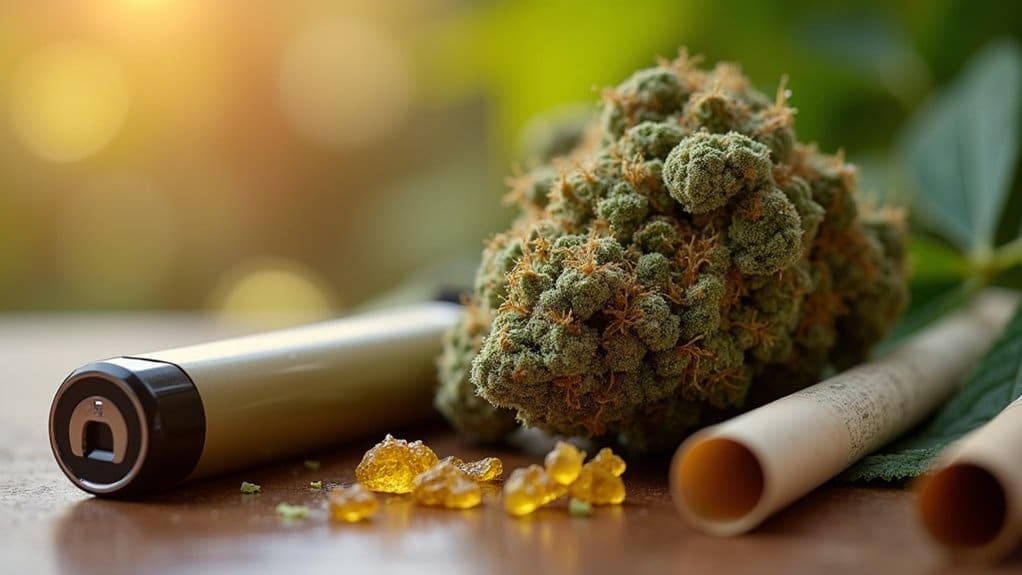
Understanding why greening out occurs requires examining the interplay between THC potency, consumption patterns, and individual vulnerability factors. When you consume cannabis with higher potency concentrations, your brain receptors become overwhelmed, triggering intense chemical reactions that your body can’t regulate effectively.
Your overdose risk increases dramatically when mixing substances. Combining cannabis with alcohol amplifies sedation and impairment beyond what either substance produces alone. Additionally, body weight and metabolism significantly influence how your system processes THC and how intensely you react to cannabis.
| Risk Factor | Impact on Greening Out |
|---|---|
| High THC potency | Overwhelms brain receptors rapidly |
| Edible consumption | Delayed onset leads to overconsumption |
| Alcohol combination | Enhances THC absorption exceedingly |
| Low tolerance | Increases vulnerability to adverse effects |
| Empty stomach use | Accelerates absorption and symptom intensity |
Your individual biology, mental health status, and consumption environment directly influence how severely you’ll experience symptoms during a greening-out episode. Those with underlying mental health conditions can be particularly prone to greening out even at moderate doses. In such cases, immediate steps to calm greening out are crucial to regain a sense of control and comfort. Utilizing techniques like deep breathing, hydration, and finding a quiet space can significantly help soothe the overwhelming sensations.
The Science Behind Greening Out
Beyond risk factors, the biological mechanisms driving greening out reveal why your body reacts so severely to THC overconsumption. When you consume potent cannabis or concentrated THC products, cannabinoids flood your CB1 receptors, creating toxic overload throughout your endocannabinoid system. This overstimulation triggers severe symptoms as neurotransmitters become imbalanced.
When cannabinoids flood your CB1 receptors faster than your body can process them, the resulting biological cascade creates genuine distress.
Your body responds with measurable physiological distress:
- Increased heart rate from cardiovascular system strain
- Decreased blood sugar causing lightheadedness and weakness
- Perception altered through sensory disruption pathways
- Anxiety and paranoia from neurotransmitter dysfunction
- Nausea resulting from systemic stress responses
Crossfading with alcohol intensifies these side effects exponentially. While fatal overdose remains extremely rare, the biological cascade creates genuine medical distress. THC potency has quadrupled since 1995, making modern consumption far riskier than historical use patterns suggest. Recovery from this intense intoxication typically lasts around 24 hours, during which the body works to restore normal endocannabinoid function. In severe cases involving drug-induced psychosis, symptoms may persist well beyond the typical recovery window and require professional intervention.
How to Manage and Prevent Greening Out

When greening out strikes, your immediate response determines how quickly you’ll recover. Stop consumption immediately and move to a safe environment away from stimulation. Practice deep breathing exercises to regulate your heart rate and reduce anxiety. Prioritize hydration by drinking water steadily, this helps flush your system and prevents dehydration symptoms. Consuming a light snack can help stabilize blood sugar levels and ease physical discomfort.
Prevention requires strategic planning. Maintain proper nutrition by eating a balanced meal before consuming cannabis. Always start low with dosage and maintain strict dose control, especially with unfamiliar products. Avoid substance interactions by never mixing cannabis with alcohol, caffeine, or other drugs. Only obtain products from trusted sources to guarantee accurate potency labeling. Consider incorporating regular exercise into your routine, as it can help mitigate some negative effects of cannabis. If you’ve been using cannabis frequently, you may want to explore cannabis detox treatment to flush the substance from your system and restore your body’s natural balance.
If symptoms intensify or persist beyond several hours, seek medical help promptly. Don’t hesitate, severe reactions warrant professional evaluation.
Frequently Asked Questions
How Long Does Greening Out Typically Last Before Symptoms Completely Subside?
You’ll typically experience the most intense symptoms for 1-3 hours, with overall effects lasting 2-6 hours. If you’ve consumed edibles, expect a longer timeline, up to 24 hours, since your body processes THC differently through digestion. Most people achieve full recovery within 24 hours. However, if your symptoms persist beyond this window or worsen considerably, you should seek immediate medical attention to rule out complications.
Can Greening Out Cause Any Permanent Damage to Your Brain or Body?
A single greening out episode won’t likely cause permanent damage to your brain or body. Your symptoms, nausea, anxiety, rapid heartbeat, are temporary physiological responses that typically resolve within 24 hours. However, repeated episodes and chronic heavy use carry real risks: cognitive decline, respiratory problems, and potential cardiovascular strain. If you’re frequently greening out, you’re increasing your risk for lasting effects. Consider reducing use and consulting a healthcare provider.
Is Greening Out More Common With Certain Strains of Cannabis Than Others?
Yes, you’re more likely to green out with high-THC strains like Gorilla Glue, OG Kush, and Amnesia Haze. These potent varieties deliver intense psychoactive effects that overwhelm your system, especially if you’re a beginner or sensitive user. High-potency vape cartridges (20%+ THC) can trigger symptoms in just 2 hits. CBD-rich strains like Harlequin actually reduce your greening out risk by counterbalancing THC’s effects.
Can You Build Tolerance to Greening Out With Regular Cannabis Use?
Yes, you can build partial tolerance to greening out through regular cannabis use. Your CB1 receptors desensitize over time, reducing typical intoxication effects. However, this protection isn’t absolute, tolerance develops unevenly across symptoms, and you may still experience severe anxiety, tachycardia, and nausea if you vastly exceed your accustomed dose. High-potency concentrates and rapid intake methods can overwhelm your tolerance, maintaining greening-out risk even with heavy use patterns.
Should You Eat Before Consuming Cannabis to Prevent Greening Out?
Yes, you should eat before consuming cannabis to help prevent greening out. Food slows THC absorption into your bloodstream, creating a more gradual onset that reduces overwhelming effects. A light, balanced meal buffers intensity and stabilizes your blood sugar, which minimizes nausea, dizziness, and light-headedness. This precaution proves especially critical if you’re a newcomer or have low tolerance. Don’t consume on an empty stomach, it accelerates absorption and intensifies adverse reactions.