






While mild alcohol withdrawal can be managed at home, you’ll need to focus on proven remedies backed by clinical evidence. Start with aggressive hydration using electrolyte-balanced drinks, consume nutrient-rich whole foods like watermelon and bone broth, and consider kudzu extract which shows documented benefits in reducing cravings. You must maintain proper B vitamin levels and establish a clear emergency plan. Understanding the specific strategies and warning signs will determine your success in effectively traversing alcohol detox.
Understanding Safe vs. Unsafe Home Detox Methods
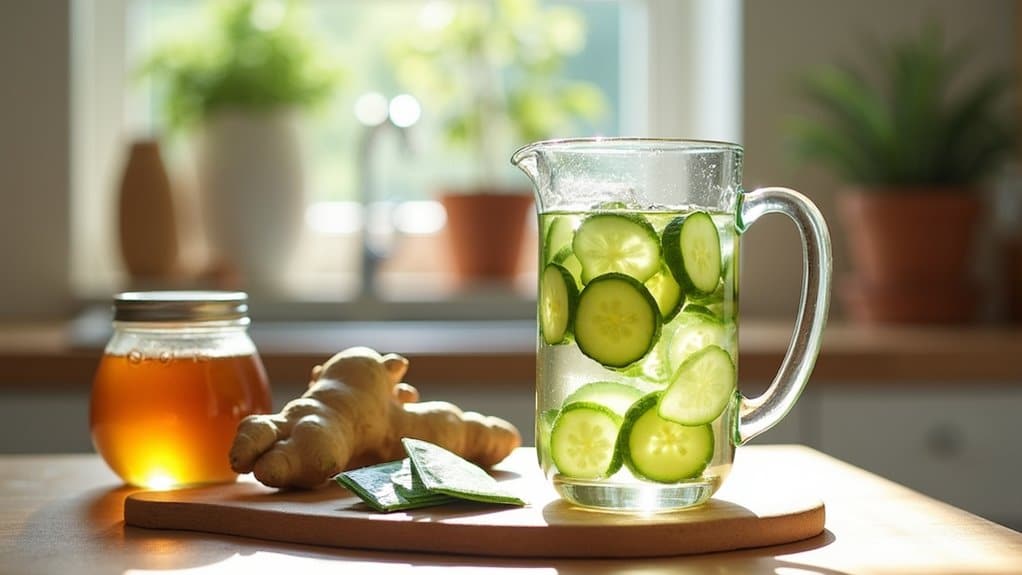
While home detox may seem like a convenient option for alcohol withdrawal, it carries significant medical risks that require careful evaluation before attempting. You’ll need to understand that home detox is only suitable if you have mild alcohol dependence and no history of withdrawal complications. Withdrawal symptoms can become severe within 48 to 72 hours after the last drink, making medical supervision critical. Symptoms typically begin 6 to 12 hours after the last drink and progressively worsen.
Safe home detox requires complete removal of alcohol from your environment, proper nutrition focusing on B vitamins and whole foods, and a clear emergency plan. However, you must avoid dangerous practices like self-medicating with over-the-counter drugs or unprescribed medications. These can lead to life-threatening complications, especially when combined with alcohol withdrawal. Eating foods rich in cayenne pepper may help naturally reduce alcohol cravings during the detox process.
For moderate to severe dependence, supervised medication management and structured detox program support are essential. They provide critical sign monitoring and immediate medical intervention that isn’t available in a home setting.
Essential Hydration and Electrolyte Balance Strategies
During alcohol detox, you’ll need to aggressively replace fluids lost through withdrawal symptoms like sweating, vomiting, and alcohol’s diuretic effects. Your hydration strategy should emphasize electrolyte-containing beverages over plain water, as alcohol disrupts essential minerals like sodium, potassium, and magnesium. You can optimize rehydration by consuming small, frequent amounts of commercial electrolyte drinks or formal oral rehydration solutions rather than large volumes of fluid at once. Sports drinks show higher fluid retention compared to alcoholic beverages, making them an effective choice for maintaining hydration. Less severe cases of withdrawal may benefit from a gradual approach of tapering off alcohol while maintaining proper hydration levels. Early medical literature recognized dehydration as a key factor in what was then called brain fever from alcohol cessation.
Replenishing Lost Body Fluids
Because alcohol acts as a powerful diuretic, your body rapidly loses essential fluids and electrolytes during the detoxification process. You’ll need plentiful fluid intake, aiming for at least eight glasses of water daily to counteract dehydration and support your recovery. Water serves as your primary hydration source, but you’ll also need to focus on regulating electrolyte balance. Herbal teas can provide gentle hydration while offering calming effects during detox. Consuming sports drinks can effectively restore depleted minerals while helping manage withdrawal symptoms. To replenish essential minerals like sodium, potassium, magnesium, and calcium, incorporate oral electrolyte solutions while avoiding sugary or caffeinated beverages. You can augment your hydration naturally by consuming water-rich foods such as cucumbers, melons, and citrus fruits. This strategic approach to fluid replacement won’t just maintain proper hydration; it’ll also help minimize withdrawal symptoms and reduce your risk of serious complications like seizures or severe headaches. Medical supervision is highly recommended during alcohol detox to ensure proper hydration levels and prevent dangerous complications.
Smart Electrolyte Drink Choices
Three key factors make smart electrolyte drink choices essential during alcohol detox: proper mineral balance, safety, and absorption rate. You’ll need nutrient-dense electrolyte options that specifically target deficits in sodium, potassium, and magnesium without causing additional complications.
Choose commercial solutions like Sqwincher® or HuMOLYTE that provide ideal sodium-potassium balance, or opt for natural alternatives like coconut water. Severe withdrawal symptoms can become life-threatening within 1-2 days if electrolyte imbalances are not properly addressed. Dehydration and electrolyte imbalances can worsen cravings significantly during the detox process. Avoid caffeine-containing beverages and high-sugar sports drinks, as they can worsen dehydration and withdrawal symptoms. Take small, frequent sips rather than large volumes to prevent stomach upset.
Look for drinks with added prebiotics or natural fruit essences, which can improve absorption and palatability. If you have chronic health conditions or severe dependence, guarantee medical supervision while implementing your electrolyte replacement strategy.
Natural Foods That Support Withdrawal Recovery
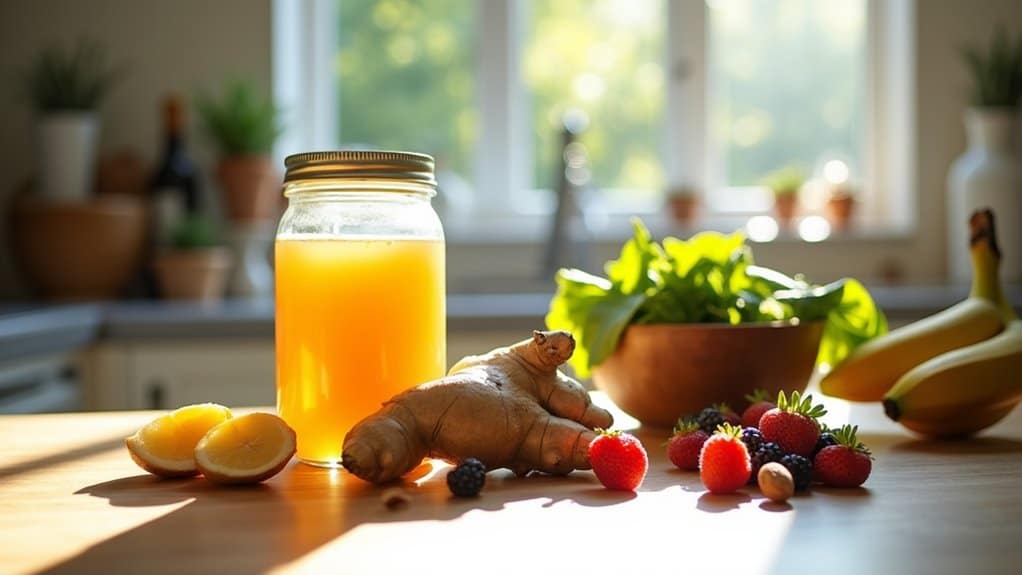
While recovering from alcohol withdrawal, proper nutrition plays an essential role in healing and stabilizing both body and mind. You’ll want to focus on whole food superfoods that replenish depleted nutrients and support your body’s natural detoxification processes.
Start with hydrating foods like watermelon and cucumber, which provide natural electrolytes and aid skin recovery. Incorporating spicy dishes can help reduce alcohol cravings through natural endorphin release. Incorporate gut healing proteins through bone broth and lean meats, which supply essential amino acids for tissue repair. Choose complex carbohydrates like quinoa and brown rice to stabilize blood sugar and enhance serotonin production. Adding dark leafy vegetables is crucial since alcoholics commonly lack B6 and folic acid.
Don’t forget to include antioxidant-rich berries, leafy greens, and cruciferous vegetables to support liver function and reduce inflammation. Omega-3 rich foods like salmon and walnuts help stabilize mood, while high-fiber options regulate blood sugar and minimize cravings.
Proven Herbal Remedies and Their Safety Profiles
Beyond nutritional support, several herbal remedies have shown promise in managing alcohol withdrawal symptoms and reducing cravings. Among these, kudzu extract stands out with proven efficacy levels in clinical trials, demonstrating significant reductions in alcohol consumption at doses of 2g daily. Research indicates single dose administration can quickly reduce alcohol intake. It’s considered safe as an over-the-counter option with minimal potential side effect risks.
While St. John’s wort and ashwagandha show promise in animal studies, their human efficacy data remains limited. St. John’s wort particularly carries serious interaction risks with medications. Milk thistle may support liver health during detox, though evidence for direct withdrawal benefits is inconclusive. You’ll want to exercise caution with valerian root, while it’s commonly used for withdrawal-related anxiety and insomnia, its effects during alcohol detox haven’t been thoroughly studied. Since severe withdrawal symptoms can be life-threatening, herbal remedies should never replace proper medical supervision during detox.
Creating a Supportive Home Environment for Detox
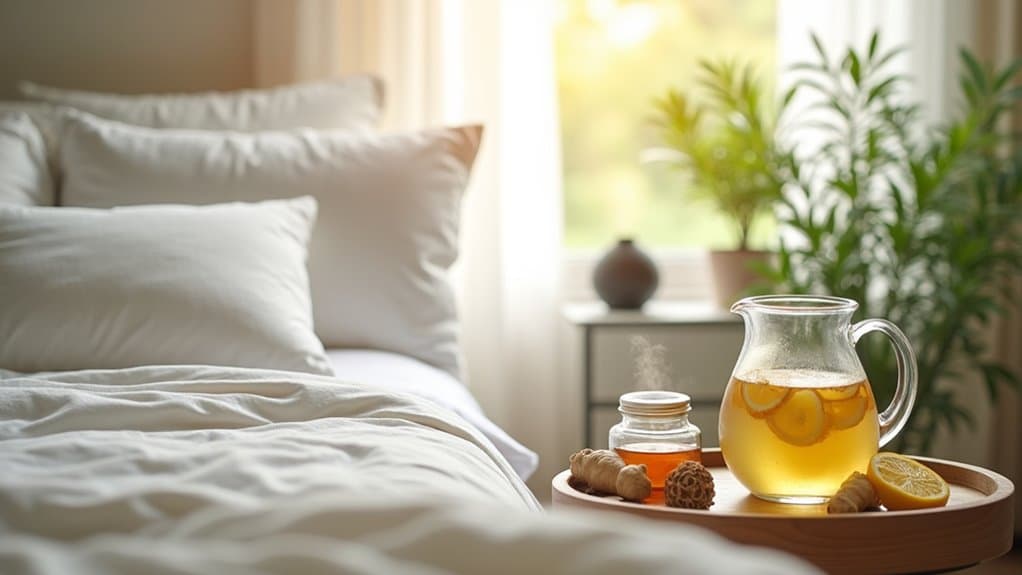
A well-prepared home environment serves as the foundation for a successful alcohol detox expedition. You’ll need to systematically remove all alcohol-containing products and establish a quiet, dedicated space for rest and recovery. Family support plays an essential role, so arrange for a trusted person to monitor your symptoms and assist with daily responsibilities.
Your home setup should include a well-stocked kitchen with nutrient-dense foods, hydration stations, and easily accessible emergency contacts. Activity planning helps maintain structure through established routines and stress management techniques. Create designated areas for meditation, journaling, and relaxation exercises. Keep your prescribed medications secured and organized according to medical instructions. Remember to position communication devices within reach for immediate access to healthcare providers or emergency services if withdrawal symptoms escalate.
Physical Comfort Techniques and Gentle Exercise Options
When you’re going through alcohol detox, gentle movement and exercise can considerably enhance your recovery by promoting endorphin release and reducing physical tension. You’ll find that simple stretching routines help manage muscle discomfort while improving circulation throughout your body. Starting with light activities like short walks or basic yoga poses provides a safe way to maintain physical activity without overwhelming your system during the withdrawal period.
Light Movement Benefits Recovery
Regular physical activity serves as a powerful tool during alcohol detox, offering both immediate relief from withdrawal symptoms and long-term recovery benefits. When you engage in light exercise, your brain releases endorphins that naturally elevate your mood and support emotional resilience, similar to how alcohol affects the reward system but in a healthy way.
You’ll find that gentle movement helps combat common withdrawal challenges, particularly improved sleep quality and reduced anxiety. Studies show that exercise can decrease substance use by up to 69% compared to non-exercising groups. Focus on low-impact activities like walking, swimming, or yoga; they’re safe and effective for early recovery. Remember to start slowly and consult your healthcare provider before beginning any exercise routine, as your body needs time to adjust during detox.
Managing Comfort Through Stretching
Beyond basic movement, stretching offers targeted relief during alcohol detox by addressing both physical discomfort and emotional tension. Regular stretching routines promote physical mobility improvement while reducing your risk of muscle aches, joint stiffness, and headaches commonly experienced during withdrawal.
You’ll find that gentle stretching exercises activate your parasympathetic nervous system, helping to lower anxiety and improve sleep quality. For injury prevention, focus on dynamic stretches that stimulate blood flow and support tissue repair. These movements also aid your body’s natural detoxification process by improving circulation and lymphatic drainage.
Incorporate stretching into your daily routine as a structured activity, particularly when experiencing cravings or restlessness. Combined with deep breathing, these exercises can provide immediate relief from physical symptoms while supporting your overall recovery progression.
Safe Exercise During Detox
Safe exercise plays an essential role in managing alcohol withdrawal symptoms during detox, but you’ll need to approach physical activity strategically. Start with gentle, non-weight bearing exercises like walking or stationary cycling at a moderate pace. These activities can reduce withdrawal severity while improving your mood and decreasing anxiety.
As your symptoms stabilize, you can gradually incorporate supervised exercise sessions that include low-impact movements like yoga or tai chi. These activities help regulate your autonomic system and ease physical discomfort. Research shows exercise can decrease withdrawal pain by up to 57% while supporting long-term recovery outcomes.
Remember to stay hydrated, avoid high-intensity routines during acute withdrawal, and get medical clearance if you have underlying health conditions. Progress slowly and listen to your body’s signals.
Nutritional Supplements for Withdrawal Management
During alcohol detox, supplementing essential nutrients plays a pivotal role in managing withdrawal symptoms and supporting recovery. Your body needs to replenish alcohol-depleted nutrients, particularly B vitamins, which support neurotransmitter modulation and nervous system function. B-complex supplements can help stabilize mood and improve energy levels during withdrawal.
Key antioxidants like vitamin C and N-Acetyl Cysteine (NAC) protect your cells from damage while supporting liver function. You’ll also benefit from minerals like magnesium and zinc, which are often depleted by alcohol use and indispensable for reducing anxiety and muscle tension. Consider amino acid supplements such as L-glutamine and GABA to help regulate mood and reduce cravings. In addition, milk thistle can provide additional liver support, while melatonin may help normalize sleep patterns disrupted by withdrawal.
Mindfulness and Relaxation Techniques
Simple breathing exercises can effectively regulate your autonomic nervous system and reduce withdrawal-related stress by focusing your attention on the present moment. You’ll find immediate relief through basic techniques like counting your breaths or following your breath’s natural rhythm, which help slow your heart rate and stabilize emotions during acute distress. Grounding practices that increase body awareness, such as systematically scanning physical sensations from head to toe, enable you to recognize and manage withdrawal symptoms early while fostering a non-judgmental acceptance of your experience.
Simple Breathing Exercises
Breathing exercises represent a scientifically-validated component of alcohol detox, activating the parasympathetic nervous system to reduce withdrawal symptoms and cravings. When combined with meditation practices and guided visualizations, specific breathing techniques can help manage stress and minimize relapse triggers.
The 4-7-8 breathing method (inhale 4 seconds, hold 7, exhale 8) and mindful breath counting have shown particular promise. You’ll get the best results by practicing these exercises at least twice daily in a calm environment, especially during mornings and before sleep. Research demonstrates that even brief 6-minute sessions can improve mood and reduce stress-related alcohol-seeking behavior.
While breathing exercises aren’t a replacement for medical supervision, they’re safe and effective when integrated with professional treatment, particularly during early recovery phases.
Grounding Through Body Awareness
While traversing alcohol withdrawal, grounding techniques that focus on body awareness serve as powerful tools for managing cravings and reducing anxiety. Through sensory grounding exercises and meditative visualisations, you’ll learn to anchor yourself in the present moment rather than getting lost in withdrawal symptoms.
- Practice the 5-4-3-2-1 technique by identifying objects you can see, touch, hear, smell, and taste
- Engage in body scanning by systematically observing sensations from head to toe
- Hold temperature-contrasting objects like ice cubes or warm tea to redirect attention
- Focus on physical contact points with surfaces around you, such as your feet on the floor
- Use progressive muscle relaxation to release tension and increase bodily awareness
These evidence-based approaches help interrupt craving cycles while promoting a stronger mind-body connection during the detox process.
Warning Signs That Require Medical Intervention
Although some individuals can safely detox from alcohol at home, certain warning signs demand immediate medical attention to prevent life-threatening complications. If you’re experiencing severe physical symptoms like uncontrollable vomiting, seizures, or intense tremors, you must seek emergency care immediately. These complex withdrawal symptoms, especially when combined with mental changes like hallucinations or severe confusion, can indicate the onset of dangerous delirium tremens.
Your personal medical history, including previous withdrawal episodes, pre-existing conditions, or age above 60, substantially increases your risk of severe complications. Watch for signs of autonomic nervous system instability, such as rapid heart rate above 120 beats per minute, severe blood pressure fluctuations, or profound sweating. These symptoms, particularly when occurring 48-72 hours after your last drink, require immediate medical intervention.
Building a Daily Routine for Successful Home Detox
Once you’ve determined that home detox is safe for your situation, establishing a structured daily routine becomes fundamental to your recovery success. Implementing consistent self-care practices, including structured journaling and remote monitoring support, helps sustain focus on your recovery goals while managing withdrawal symptoms effectively.
- Start each morning with hydration and gentle exercise like yoga or walking to strengthen endorphins
- Schedule regular, nutrient-rich meals even when your appetite decreases
- Incorporate stress-reduction activities such as meditation or deep breathing exercises throughout the day
- Set specific times for support group meetings or check-ins with your recovery network
- End each day with relaxation practices and reflection on your progress
Maintain this routine consistently, adjusting activities based on your energy levels and symptoms. Regular evaluation of your progress helps guarantee your home detox plan remains effective and sustainable.
Frequently Asked Questions
How Long Do Withdrawal Symptoms Typically Last During Home Alcohol Detox?
Your withdrawal duration varies, but typically lasts 4-7 days for physical symptoms. You’ll likely experience symptom severity fluctuations, starting within 6 hours of your last drink and peaking around 48-72 hours. Most acute symptoms will subside by day 7, though you may notice milder effects for up to 2 weeks. Be aware that psychological symptoms like anxiety and cravings can persist for several weeks or months after the initial detox period.
Can I Continue Working While Attempting Alcohol Detox at Home?
No, you shouldn’t attempt to manage work responsibilities during home alcohol detox. The symptoms, including tremors, confusion, anxiety, and severe physical discomfort, make it unsafe and impractical to maintain your daily routine. Medical professionals strongly recommend taking 1-2 weeks off work, as withdrawal symptoms can be unpredictable and potentially life-threatening. Your focus needs to be on recovery under proper medical supervision, not work performance.
Should I Tell My Family Doctor I’m Planning to Detox at Home?
Yes, you should absolutely tell your doctor about your plans to detox. Open communication with your physician is vital for your safety during withdrawal. Your doctor can assess your individual risk factors, prescribe necessary medications, and provide trusted support throughout the process. They’ll monitor potential complications, establish an emergency plan, and guarantee you have proper vitamin supplementation. Don’t attempt alcohol detox without initially consulting your healthcare provider; it could be perilous.
Which Over-The-Counter Medications Are Safe During Alcohol Withdrawal?
You can safely take acetaminophen for pain relief, but you’ll need to stay within recommended doses since your liver may be sensitive. Over-the-counter pain relievers like ibuprofen should be avoided as they increase bleeding risk. Focus on electrolyte replenishment with products like Pedialyte. Bismuth subsalicylate can help with nausea, while melatonin may aid sleep. However, you shouldn’t attempt alcohol detox without medical supervision, as withdrawal can become dangerous quickly.
What Time of Day Should I Start My Home Detox Process?
You should start your detox early in the morning, ideally between 7-9am. This timing aligns with when medical facilities and support services are most accessible. Your withdrawal symptoms typically begin 6-12 hours after your last drink and peak within 24-72 hours. Starting early guarantees you’ll have maximum daylight hours for monitoring symptoms and accessing help if needed. Remember, you’ll need a sober support person present when you begin the process.