



Benzodiazepine addiction is alarmingly common today, with over 30.6 million American adults currently using these medications and 5.3 million reporting misuse. You’ll find that only 20% of misusers obtain benzos through legitimate prescriptions, while the majority acquire them through family and friends. The highest rates of misuse occur in the 18-25 demographic, and women receive disproportionately more prescriptions. Understanding the full scope of this crisis reveals pivotal insights about prevention and treatment.
The Rise of Global Benzodiazepine Use
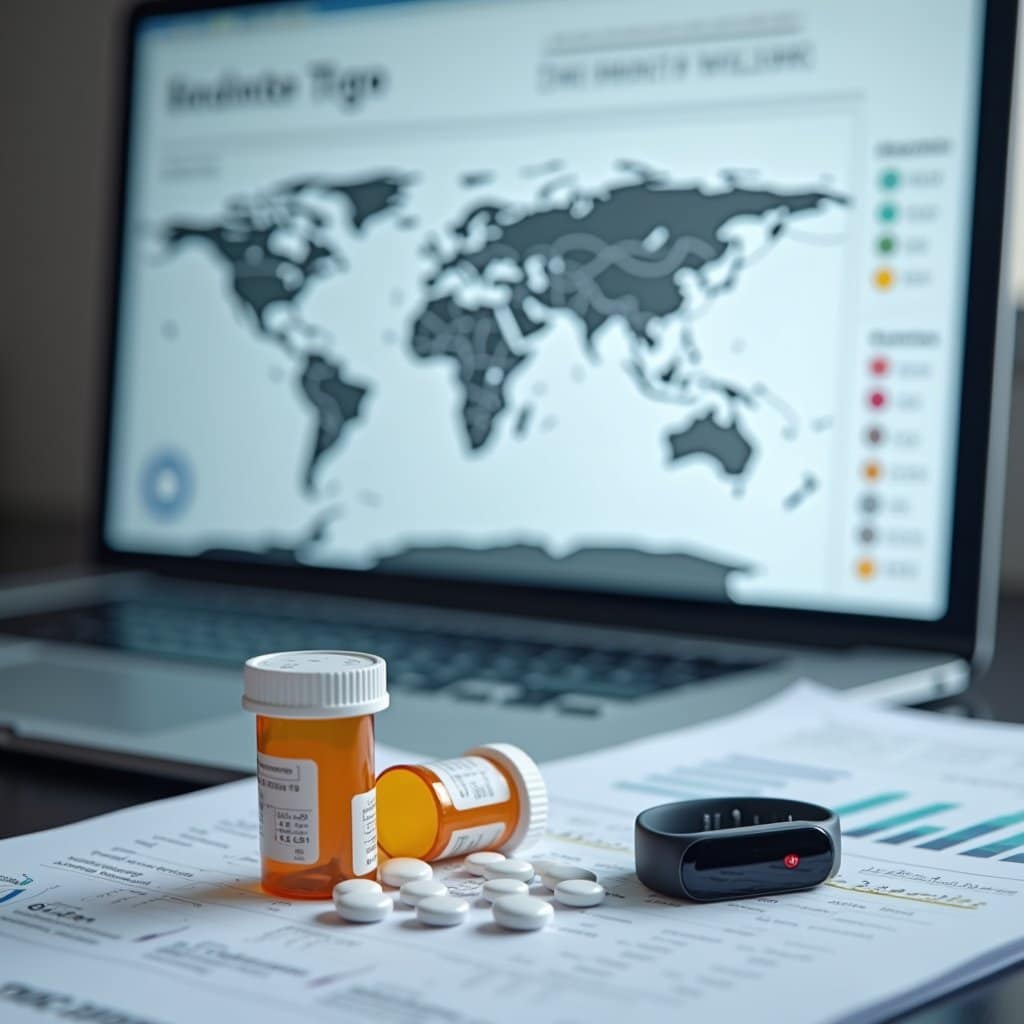
While benzodiazepine use has historically been significant, recent market data reveals unprecedented growth in global consumption and accessibility. You’ll find the global market expanded from $3.53 billion in 2024 to $3.78 billion in 2025, with projections reaching $4.9 billion by 2029. This growth parallels evolving prescription guidelines and rising anxiety disorders, particularly among aging populations. Major pharmaceutical companies like Pfizer and Johnson & Johnson are leading development efforts for safer formulations and delivery methods. The Asia Pacific region shows the most rapid market expansion among all global territories.
Regional patterns show higher usage in Western nations, with France, Italy, and Spain leading consumption rates. The integration of growing digital therapeutics, including telemedicine and wearable devices, has transformed mental health management. In the U.S., 30.6 million adults use benzodiazepines, with concerning statistics showing 5.3 million users misusing these medications. This trend coincides with increased accessibility through generic alternatives and favorable insurance coverage policies.
Understanding Benzodiazepine Misuse Statistics

Recent statistics on benzodiazepine misuse paint a concerning picture of widespread recreational and non-medical use across the United States. You’ll find that 30.6 million adults report using benzodiazepines, with 5.3 million engaging in misuse. Despite prescription monitoring programs, the availability of these medications has surged, with prescriptions increasing by 67% between 1996 and 2013. Young adults show the highest rates of benzodiazepine misuse, often using these medications recreationally or as self-medication. Originally developed to replace dangerous barbiturates, benzodiazepines have created their own concerning pattern of dependence and misuse.
Demographic disparities reveal troubling patterns:
- Only 20% of misusers obtain benzos through legitimate prescriptions
- Women receive disproportionately more prescriptions, highlighting gender-based prescribing biases
- Both older and younger adults show boosted misuse rates, with 22.4% seeking relief from sleep issues or stress
These statistics underscore the urgent need for stronger prescription controls and improved monitoring of at-risk populations, particularly given the sevenfold increase in benzo-related overdose deaths since 1996.
Risk Factors Behind Benzo Dependency

Vulnerability to benzodiazepine dependency stems from a complex interplay of demographic, psychological, and biological factors. Your risk increases significantly if you’re aged 18-25 or have underlying psychiatric conditions, with 40% of abusers reporting mental health comorbidities. Environmental contributors and socioeconomic disparities also play pivotal roles in dependency development. Recent data shows that 12,000 overdose deaths occurred in 2021 involving benzodiazepines, highlighting the severe consequences of dependency. Research indicates that family and friends are the primary source for obtaining benzodiazepines illegally among those who abuse these medications.
| Risk Factor | Key Statistics |
|---|---|
| Age Group | 18-25: 5.2% highest misuse |
| Mental Health | 40% have psychiatric disorders |
| Prior Substance Use | Highest predictor of abuse |
You’re more susceptible to dependency if you have a family history of addiction, experienced childhood trauma, or possess specific genetic variations affecting drug metabolism. Previous substance abuse patterns, particularly alcohol dependence, substantially increase your likelihood of developing benzodiazepine addiction. Early exposure through legitimate prescriptions can also lead to dependency, especially in chronic pain or anxiety treatment contexts.
The Deadly Impact of Polydrug Use
The dangerous practice of combining benzodiazepines with other substances has emerged as a leading cause of drug-related deaths. Research shows that 63% of opioid-related overdose deaths involve benzodiazepines, cocaine, or methamphetamine, creating lethal synergistic effects. This combination extensively amplifies respiratory depression risks and complicates overdose prevention strategies. A recent study revealed that 20.9% of adults engage in polysubstance use, highlighting the widespread nature of this dangerous behavior. Women face an especially high risk, as benzodiazepine use is nearly twice as prevalent in women compared to men.
- When you mix benzodiazepines with opioids, you’re facing a quadrupled risk of overdose compared to using either substance alone
- You’ll encounter more severe withdrawal symptoms if you’re among the 15-44% of long-term users, making long term recovery challenges more complex
- If you’re using benzos with stimulants like cocaine, you’re at heightened risk for cardiac complications and seizures
These polydrug combinations create unique treatment obstacles, often requiring specialized medical intervention and extensive care approaches.
Cultural Influences on Prescription Patterns
While cultural attitudes directed at mental health vary globally, distinct regional patterns emerge in benzodiazepine prescribing practices. You’ll find striking differences between Western Europe’s high acceptance and Russia’s limited use. In Spain and France, benzodiazepines rank among the most prescribed medications, reflecting cultural normalization of these drugs for anxiety treatment.
In the U.S., where insurance often covers medication but limits therapy options, doctors may default to prescribing benzodiazepines. The stigmatization of anxiety disorders also plays a role, as many cultures prefer quick pharmacological solutions over long-term therapeutic approaches. Recent data shows that primary care physicians now account for a significant portion of prescriptions, rising from 3.6% to 7.5% between 2003 and 2015. This preference for immediate relief, combined with regulatory differences and healthcare system priorities, creates a complex terrain of regional prescription variations. Current data shows that 92 million Americans received benzodiazepine prescriptions in 2019, highlighting the widespread acceptance of these medications in U.S. healthcare.
Frequently Asked Questions
How Long Does Benzodiazepine Withdrawal Typically Last?
The potential duration of your benzodiazepine withdrawal symptoms depends on several key factors, including your dosage level and length of use.
While specific timelines aren’t universally defined, you’ll likely experience more severe and prolonged withdrawal if you’ve been taking higher doses or using benzos for extended periods.
It’s imperative that you don’t attempt withdrawal without medical supervision, as symptoms can be dangerous and unpredictable.
Can Teenagers Be Legally Prescribed Benzodiazepines for Anxiety?
Yes, teenagers can legally receive benzodiazepine prescriptions for anxiety, but it’s typically reserved for cases of medical necessity when other treatments haven’t worked.
You’ll find that doctors are particularly cautious when prescribing to teens due to the high risk of benzodiazepine abuse in teenagers and potential developmental impacts. These medications require a licensed physician’s approval, strict monitoring, and usually involve short-term use (2-4 weeks) under careful medical supervision to guarantee safety.
Which Benzodiazepines Are Most Commonly Prescribed for Sleep Disorders?
Based on current prescription trends and healthcare provider prescribing patterns, you’ll find that temazepam and diazepam are the most commonly prescribed benzodiazepines for sleep disorders. Temazepam leads at 25.3% of sleep-related prescriptions, while diazepam follows at 21.9%.
While comprehensive benzodiazepine prescribing has declined, they’re still frequently prescribed for insomnia in many regions. However, you’ll notice that prescribing patterns vary by country, with some healthcare providers now favoring Z-drugs or melatonin alternatives.
Are There Natural Alternatives That Work Similarly to Benzodiazepines?
While herbal anxiolytics like valerian root, ashwagandha, and chamomile can help manage anxiety and sleep issues, they don’t match benzodiazepines’ potency.
You’ll find alternative sleep aids such as GABA supplements and L-theanine work through similar pathways but with milder effects.
Your best approach might combine natural options with behavioral techniques like CBT, meditation, and proper sleep hygiene.
Always consult your healthcare provider before starting any alternatives.
Does Genetic Predisposition Affect Someone’s Likelihood of Developing Benzodiazepine Addiction?
While the exact role of genetic factors in benzodiazepine addiction isn’t fully mapped, you should know that your genetic makeup can influence how you respond to these medications.
Research suggests that if you have family members with substance use disorders, you may be more vulnerable. However, environmental influences, including stress levels and access to the medication, often interact with genetic predisposition to determine your addiction risk.
It’s best to discuss your family history with your healthcare provider.