





Cocaine typically stays in your system for different periods depending on the test type: 24-48 hours in blood, 2-4 days in urine for occasional users (up to 14 days for heavy users), 24-48 hours in saliva, and up to 90 days in hair follicles. Your body fat percentage, metabolism rate, hydration level, and liver function all influence elimination times. Understanding detection windows and metabolite persistence offers essential context for those facing potential drug screenings or trying to determine how long does benzoylecgonine stay in urine after cocaine use.
The Science Behind Cocaine Metabolism

When cocaine enters your body, it undergoes a complex metabolic process that determines how long it remains detectable. Your liver serves as the primary site for cocaine biochemistry, breaking down the drug into several metabolites. The main metabolite, benzoylecgonine, has a notably longer half-life than cocaine itself, approximately 12 hours compared to cocaine’s 1 hour. Because of this, benzoylecgonine levels in urine ng/ml often serve as the most reliable marker for determining recent cocaine exposure.
These metabolic pathways involve enzymes that transform cocaine through hydrolysis and oxidation reactions. The process creates compounds that your body eliminates primarily through urine. Your metabolism rate, influenced by factors like maturity, liver function, and genetics, directly affects how quickly you process cocaine. Furthermore, when cocaine is consumed with alcohol, your body produces cocaethylene, a compound that extends detection times and increases toxicity risks.
Detection Windows in Blood Tests
Blood tests provide immediate evidence of cocaine use, as they directly measure the parent drug in your bloodstream. After consumption, cocaine typically remains detectable in blood for 24-48 hours, though this varies based on dosage and metabolism.
| Detection Factor | Timeframe | Testing Accuracy |
|---|---|---|
| Single use | 24 hours | 97-99% accurate |
| Regular use | 48 hours | 98-99% accurate |
| Heavy use | Up to 72 hours | >99% accurate |
Standard blood test procedures involve enzyme immunoassay screening followed by confirmatory testing using gas chromatography-mass spectrometry. These methods offer superior testing accuracy compared to other bodily fluid analyses. You’ll find blood tests are particularly effective for determining recent cocaine use, making them preferred in emergency medical situations and certain legal contexts where timing is critical.
Urine Testing: The Most Common Screening Method

Urine tests can detect cocaine metabolites for 2-4 days after use in occasional users and up to 14 days in heavy users. Your individual detection window depends on metabolism rate, kidney function, hydration levels, and the frequency of cocaine use. While generally reliable, urine tests may produce false positives from certain medications like topical anesthetics containing cocaine derivatives or cross-reactivity with some antibiotics.
For regulatory settings, labs often apply a cocaine 150 ng/ml detection time standard, meaning any urine concentration above this threshold typically indicates recent cocaine exposure.
Detection Window Explained
Understanding how long cocaine remains detectable requires knowledge of the most common testing method: urine screening. Cocaine’s metabolites, particularly benzoylecgonine, remain present in urine for a variable period depending on several factors.
In general, the 150 ng/ml detection time benzoylecgonine threshold is what most federally regulated tests rely on to determine positive results.
For occasional users, detection methods can identify cocaine metabolites for approximately 2-3 days after use. Regular or heavy users may test positive for 5-7 days or longer due to accumulation in body tissues. Testing accuracy depends on dosage, frequency of use, metabolism rate, and hydration levels. Most standard urine tests have a detection threshold of 300 ng/mL for cocaine metabolites.
Your individual detection window may vary based on body mass index, kidney function, and pH levels. False positives are rare with modern immunoassay testing methods when confirmed by mass spectrometry.
Factors Affecting Detection
While cocaine detection windows provide general guidelines, numerous individual variables can remarkably alter how long the drug remains detectable in your system through urine testing. Cocaine dosage directly impacts detection duration, higher amounts typically extend the window as your body requires more time to process larger quantities.
Your individual metabolism greatly influences elimination rates. Factors such as maturity, liver function, kidney health, and genetic variations affect how quickly you metabolize cocaine and its metabolites. Frequent users develop longer detection periods due to accumulation in fatty tissues. Furthermore, your hydration level, urinary pH, and general health condition can alter test outcomes. For instance, acidic urine accelerates cocaine excretion, potentially shortening detection time, while alkaline urine may extend it.
False Positive Considerations
Several factors can trigger false positive results when undergoing cocaine urine screening tests, creating potential complications for individuals subject to drug testing. Understanding these factors is essential for ensuring testing accuracy and avoiding unwarranted consequences.
Common causes of false positives include:
- Certain prescription medications, particularly some antibiotics and antidepressants
- Over-the-counter cold and allergy medications containing pseudoephedrine
- Topical anesthetics that contain cocaine derivatives like novocaine or lidocaine
- Cross-reactivity with non-cocaine substances that have similar molecular structures
You should always disclose all medications you’re taking before undergoing testing. If you receive a positive result and haven’t used cocaine, request confirmation testing through more specific methods like gas chromatography-mass spectrometry (GC-MS), which provides considerably higher accuracy and can differentiate between true and false positives.
Hair Follicle Analysis: Long-Term Detection
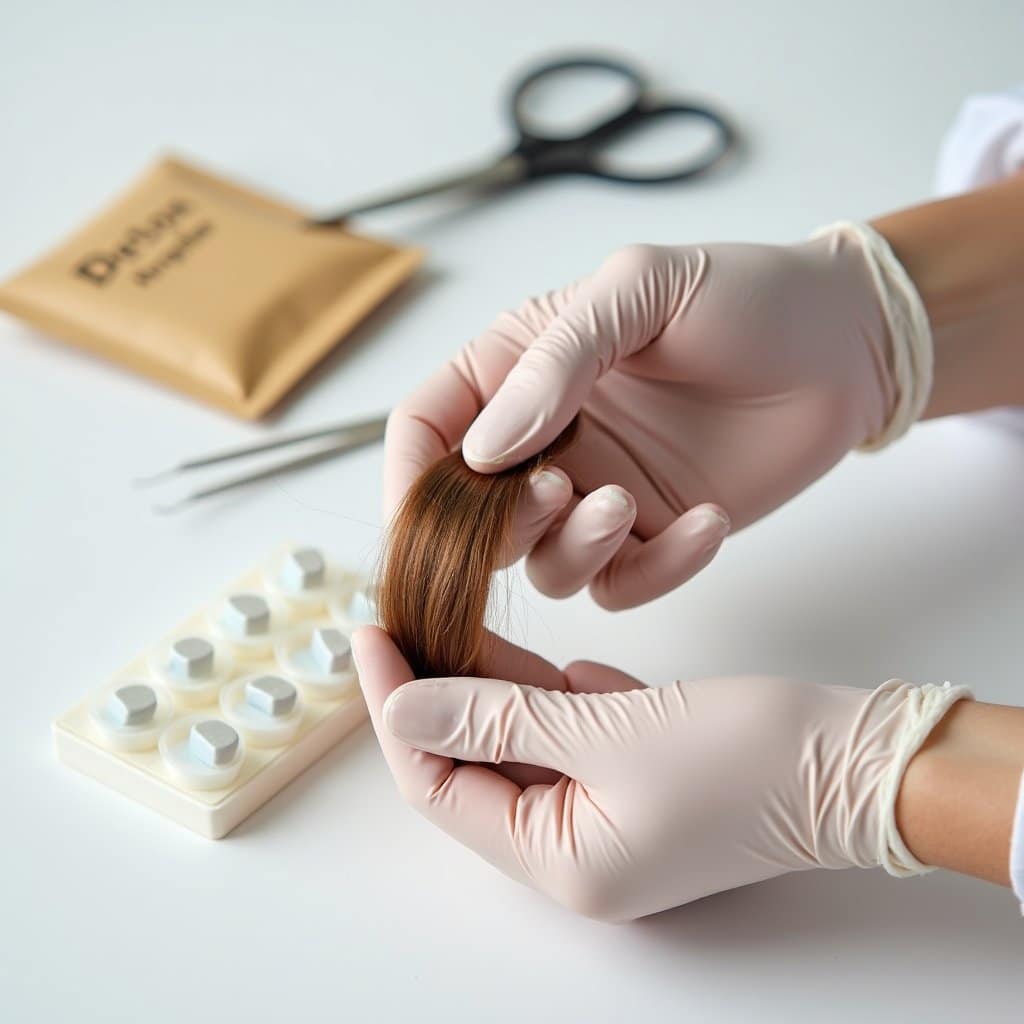
Hair tests provide the longest detection window for cocaine use, capturing evidence of drug consumption for up to 90 days after use. When you consume cocaine, metabolites become trapped in the hair follicle and remain detectable as your hair grows at approximately 1.5 cm per month. This creates a chronological record of your drug use history.
The testing accuracy of hair analysis exceeds 90% when properly conducted in certified laboratories. You’ll find this method particularly difficult to evade, as cocaine metabolites (primarily benzoylecgonine) bind strongly to the melanin in hair shafts. Even washing or chemical treatments can’t completely remove these markers. It’s worth noting that hair color can affect results, darker hair typically binds more metabolites than lighter hair, occasionally leading to sensitivity variations across different demographics.
Saliva Tests and Immediate Detection
Oral fluid testing provides the most immediate detection window for cocaine, identifying use within minutes after consumption and typically remaining positive for 24-48 hours. Saliva testing offers several advantages over other detection methods, particularly when recent drug use assessment is required.
- Cocaine’s parent compound appears in saliva almost immediately after use, making detection possible within 10 minutes
- Collection is non-invasive and can be performed under direct observation, reducing sample adulteration risks
- Detection thresholds typically range from 1-10 ng/mL, depending on the specific assay used
- Environmental contamination rarely affects results, unlike with hair testing
You’ll find saliva testing increasingly common in roadside drug testing, workplace monitoring, and clinical settings where determining very recent cocaine use is critical.
Factors That Influence Cocaine Retention
While detection windows provide general guidelines, numerous physiological and behavioral factors greatly affect how long cocaine remains detectable in your system. Your individual physiology, including metabolism rate, kidney function, and body mass index, markedly impacts cocaine elimination speed.
| Factor | Impact | Detection Time |
|---|---|---|
| Usage frequency | High frequency users retain metabolites longer | Extended by 2-3× |
| Dosage amount | Larger doses require more processing time | Increased by 24-48 hours |
| Kidney function | Impaired function slows elimination | May double detection window |
| Body composition | Higher body fat percentage increases retention | Extends detection by 20-30% |
Usage frequency particularly affects retention, chronic users develop accumulated cocaine metabolites that require considerably longer clearance times than those from single-use events. Hydration status, liver health, and concurrent substance use also influence elimination rates.
Cocaine Metabolites and Their Persistence
When cocaine enters your system, your body rapidly breaks it down into several distinct metabolites that persist long after the drug’s effects have disappeared. These compounds form through specific metabolic pathways and remain detectable far longer than cocaine itself.
The primary cocaine metabolites include:
- Benzoylecgonine – The most abundant metabolite, detectable for 2-4 days in urine (sometimes measured using 150 ng/ml detection time benzoylecgonine as a cutoff)
- Ecgonine methyl ester – Forms through different metabolic pathways and persists for 1-3 days
- Norcocaine – A minor but pharmacologically active metabolite detectable for approximately 48 hours
- Cocaethylene – Forms only when cocaine and alcohol are consumed together, extending detection times
Your liver processes most of these compounds, but their elimination rates vary considerably based on individual factors. Testing typically targets benzoylecgonine specifically because of its extended detection window compared to parent cocaine.
Legal Testing Thresholds and What They Mean
Drug tests for cocaine don’t simply detect any trace amount of the drug, they rely on specific concentration thresholds established by regulatory agencies to determine a positive result. These legal thresholds vary by testing method: federally regulated workplace tests typically use a cutoff of 150 ng/mL for benzoylecgonine in urine, while hair tests may use 500 pg/mg as the standard threshold.
Understanding these cutoffs has significant testing implications for you. A result below the threshold will be reported as negative even if traces of cocaine are present. Different settings may employ varying standards, courts, probation departments, and athletic organizations often establish their own thresholds. These cutoffs aim to minimize false positives while reliably identifying actual drug use, balancing detection accuracy with fairness in testing protocols. Knowing the cocaine 150 ng/ml detection time standard helps you interpret test results more accurately and understand how long metabolites might stay above measurable limits.
Frequently Asked Questions
Can Secondhand Cocaine Exposure Trigger a Positive Drug Test?
Secondhand cocaine exposure is unlikely to trigger a positive drug test. Research suggests that passive exposure to cocaine smoke doesn’t typically provide sufficient quantities to reach detection thresholds in standard drug testing procedures. You’d need prolonged, intense exposure in an unventilated space to potentially register positive results. Most drug tests are calibrated with cutoff levels specifically designed to differentiate between actual use and incidental environmental exposure. However, avoiding environments with cocaine use remains prudent.
Does Drinking Water Help Flush Cocaine Out Faster?
While water consumption may slightly increase cocaine elimination through urine, it won’t considerably accelerate the drug’s clearance from your system. Hydration effects on cocaine metabolism are minimal as the drug is primarily processed by liver enzymes, not dilution. You can’t meaningfully “flush out” cocaine by drinking extra water. Normal hydration supports general health during detoxification, but cocaine’s metabolites will still follow their standard elimination timeline regardless of increased fluid intake.
Are Home Cocaine Test Kits Reliable?
Home testing kits for cocaine vary in reliability. Their accuracy depends on several factors including the kit’s quality, proper sample collection, and how closely you follow instructions. Most reputable kits can detect cocaine metabolites, but they’re less sensitive than laboratory tests. False negatives may occur if cocaine levels are below detection thresholds. For most definitive results, laboratory confirmation is recommended. If you need certainty about cocaine presence, professional testing provides higher accuracy than home testing alternatives.
Can Prescription Medications Cause False Positive Cocaine Results?
Yes, certain prescription medications can cause false positive cocaine results. Drug interactions with tests are most common with local anesthetics (like lidocaine and novocaine), some antibiotics, and particular antipsychotics. Testing accuracy varies based on the screening method used. You’ll want to disclose all medications to testing personnel beforehand. More sophisticated confirmation tests like GC-MS can distinguish between true cocaine metabolites and similar compounds, considerably reducing the possibility of false positives from prescription medications.
Will Exercise Speed up Cocaine Elimination From the Body?
Exercise may moderately increase cocaine elimination through several mechanisms. When you exercise, you’ll experience heightened metabolism rates that can accelerate the breakdown of cocaine metabolites in your system. However, research shows these exercise effects provide only modest benefits and won’t dramatically shorten detection windows. Your body primarily eliminates cocaine through enzymatic processes in the liver regardless of physical activity. Hydration during exercise might support kidney function, but cocaine’s elimination timeline remains primarily governed by individual metabolic factors.