






You’ll recognize Xanax addiction through distinct physical and behavioral changes. Physical symptoms include blurred vision, tremors, slurred speech, and coordination problems. Behaviorally, you might notice doctor shopping, obsessive pill counting, and withdrawal from relationships. Watch for memory problems, risky decision-making, and neglected responsibilities. When combined with other depressants, symptoms become more severe. Understanding these warning signs can help you identify when professional intervention becomes necessary.
Understanding the Signs of Xanax Dependency

Recognizing Xanax dependency requires understanding its distinct behavioral and psychological markers. When dependency develops, individuals often display a pattern of seeking multiple prescriptions from different doctors while concealing their activities. As a Schedule IV drug, Xanax has significant potential for abuse and dependency that requires careful monitoring.
This behavior frequently accompanies cognitive impairment, making it difficult to maintain daily responsibilities or make sound decisions. Those affected may experience memory problems that interfere with work and relationships. Watch for signs of continued prescription misuse, including attempts to obtain medication through illegal websites or deceptive means. Someone struggling with Xanax dependency may exhibit reduced inhibitions, leading to risky behaviors they wouldn’t normally engage in. Physical symptoms like slurred speech and drowsiness are common indicators of active Xanax use.
Psychological symptoms often manifest as mood swings, persistent anxiety despite medication use, and obsessive thoughts about securing more of the drug. These warning signs typically intensify as dependency progresses, warranting professional intervention.
Common Physical and Mental Side Effects
While Xanax initially acts as a central nervous system depressant to reduce anxiety, prolonged use triggers numerous adverse effects throughout the body and mind. Your altered brain chemistry leads to both physical and psychological symptoms that can severely impact your daily functioning.
| System | Physical Effects | Mental Effects |
|---|---|---|
| Short-term | Blurred vision, tremors | Anxiety, paranoia |
| Mid-term | Respiratory depression, nausea | Memory deficits, confusion |
| Long-term | Liver/kidney damage | Cognitive decline |
| Crisis | Blue lips, unconsciousness | Suicidal thoughts |
As cravings and withdrawal intensify, you’ll likely experience worsening symptoms across multiple body systems. These can include chronic headaches, muscle weakness, and persistent depression. The neurological impact becomes particularly concerning, with coordination problems and cognitive impairment potentially leading to permanent damage if use continues. Many individuals combine Xanax with other downer drugs to intensify its effects, which dramatically increases the risk of severe health complications.
Behavioral Changes and Warning Signs
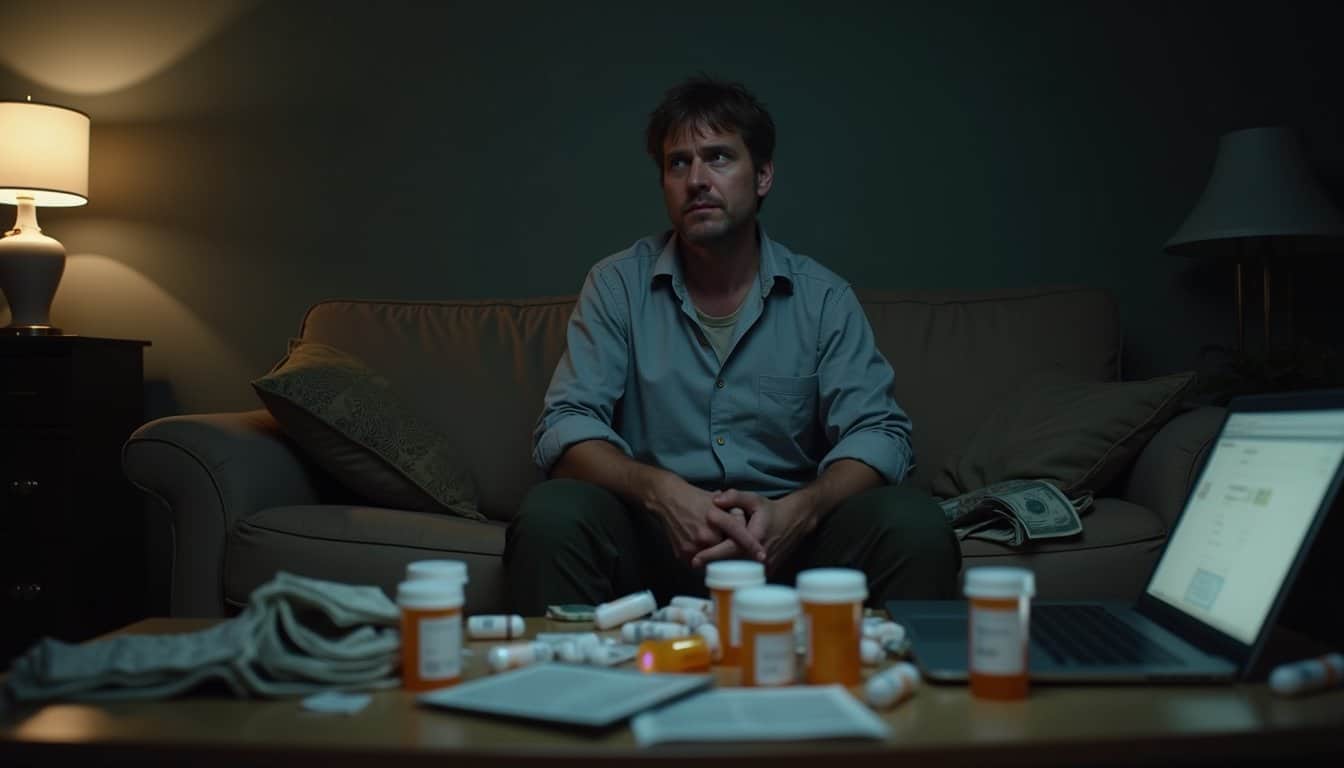
As Xanax addiction progresses, distinct behavioral patterns emerge that signal a deepening dependency. You’ll notice developing dependence patterns through increased deceptive behaviors, including doctor shopping, concealing drug use, and manipulating healthcare providers for prescriptions. Compromised decision-making abilities become evident through risky behaviors and financial mismanagement.
Obsessively tracking pill counts and pharmacy refill dates while neglecting basic responsibilities like personal hygiene or bill payments. Creating elaborate stories about anxiety symptoms or emergencies to obtain more prescriptions from multiple doctors. The person may experience slurred speech and coordination problems during daily activities. Withdrawing from social activities and relationships while spending excessive time seeking or using Xanax. Users often demonstrate loss of control as the addiction takes hold, making them unable to regulate their drug consumption despite negative consequences.
These behavioral changes often coincide with financial strain, legal troubles, and deteriorating personal relationships, reflecting the addiction’s growing control over daily life and decision-making processes.
Social and Relationship Impact
Xanax addiction devastates nearly every aspect of a person’s social connections and relationships. You’ll notice damaged bonds with family members, friends, and colleagues as the addiction progresses. Your focus shifts primarily to obtaining and using the drug, leading to neglected responsibilities and strained connections in both personal and professional spheres. For many users, the quick tolerance buildup means constantly needing higher doses, further straining relationships with those who express concern. The development of compulsive drug-seeking behaviors often leads to doctor shopping and illegal activities to maintain supply.
| Impact Area | Early Signs | Advanced Signs |
|---|---|---|
| Family | Emotional distance | Trust breakdown |
| Work | Missed deadlines | Job loss |
| Social | Skipped gatherings | Complete isolation |
Your relationships suffer from patterns of deception, withdrawal from social activities, and increased conflict during periods of use or withdrawal. You might find yourself engaging in risky behaviors that damage your reputation and professional standing. The combination of emotional blunting and drug-seeking behavior creates a cycle that systematically destroys support networks and meaningful relationships. The development of emotional blunting effects often causes a detached appearance that further compromises the ability to maintain healthy relationships.
Treatment Options and Recovery Support

When seeking treatment for Xanax addiction, you’ll encounter multiple evidence-based options tailored to your dependency level and personal circumstances. Treatment programs range from intensive inpatient care with 24/7 medical supervision to flexible outpatient services that accommodate work and family commitments. Evidence-based therapies like CBT and DBT help restructure thought patterns while addressing underlying anxiety triggers. Residential treatment centers offer comprehensive programming that combines detox with therapeutic interventions for optimal recovery outcomes. Many patients benefit from a 12-step program that provides ongoing support and accountability. A combination of therapy and medication has proven highly effective in managing both addiction and mental health symptoms.
Picture yourself in a structured environment where medical professionals monitor your detox progress, ensuring your safety during withdrawal. Envision participating in daily therapy sessions, both individual and group, where you’ll develop vital coping skills. Visualize your gradual shift to independence through aftercare programs, support groups, and long-term management strategies.
Your recovery journey may include dual diagnosis treatment if you’re managing co-occurring mental health conditions, ensuring all-encompassing care for lasting sobriety.
Frequently Asked Questions
Can Xanax Addiction Develop Even When Taking Prescribed Doses as Directed?
Yes, you can develop an addiction to Xanax even while following prescribed dosage adherence, particularly with doses above 4mg daily or use beyond 12 weeks. Your brain can become physically dependent on the medication despite taking it exactly as prescribed.
It’s pivotal to maintain open doctor-patient communication about any tolerance symptoms you experience. You’ll need careful medical supervision, as dependency risks exist even with legitimate therapeutic use.
How Long Does Xanax Stay Detectable in Different Drug Testing Methods?
You’ll test positive for Xanax in urine screening for 1.5 to 7 days after your last use, with the exact duration depending on your metabolism and dosage.
The drug’s blood plasma half-life of about 11 hours means it’s detectable in blood tests for roughly 24 hours.
In saliva, you can expect detection for up to 2.5 days.
If you’re a chronic user, hair tests may reveal Xanax use for up to 90 days.
What Happens if Xanax Is Mixed With Alcohol or Other Medications?
Mixing Xanax with alcohol or other medications creates dangerous drug interactions that can be lethal. You’ll experience intensified central nervous system depression, as both substances amplify each other’s effects.
This combination greatly increases your overdose risk through respiratory depression and severe sedation. Your liver can’t efficiently process both substances simultaneously, leading to toxic Xanax buildup in your system.
Never combine Xanax with alcohol or other depressant medications.
Are There Genetic Factors That Increase the Risk of Xanax Addiction?
Your risk of developing Xanax addiction can be markedly influenced by inherited disposition and environmental influences. If you have a family history of substance abuse, you’re more likely to develop dependency.
Research shows that specific genetic variations affect how your body processes benzodiazepines and how your brain’s GABA receptors respond to the medication. These genetic factors, combined with environmental stressors and trauma, can increase your vulnerability to Xanax addiction.
Can Previous Benzodiazepine Addiction Make Future Anxiety Treatment More Complicated?
Yes, your previous benzodiazepine use can profoundly complicate future anxiety treatment. You’ll likely experience reduced effectiveness of both benzos and alternative medications due to neurochemical changes in your brain.
Complex treatment planning becomes necessary as you may have developed tolerance, making standard anxiety medications less effective. You’ll also face increased risks of withdrawal symptoms and treatment resistance, requiring your healthcare provider to evaluate alternative therapeutic approaches and carefully monitored treatment strategies.