






Cannabis addiction is a complex medical condition affecting over 30% of regular users. You’ll find it involves both psychological dependency and measurable changes in brain function, particularly in cannabinoid receptor systems. Withdrawal symptoms typically emerge within 24-48 hours, including anxiety, sleep disturbances, and decreased appetite. While genetic and environmental factors influence vulnerability, you’re at higher risk if you start during adolescence or have a family history of mental health issues. Understanding the scientific evidence behind cannabis addiction can help you make informed decisions about use and treatment.
The Rising Prevalence of Cannabis Use in America
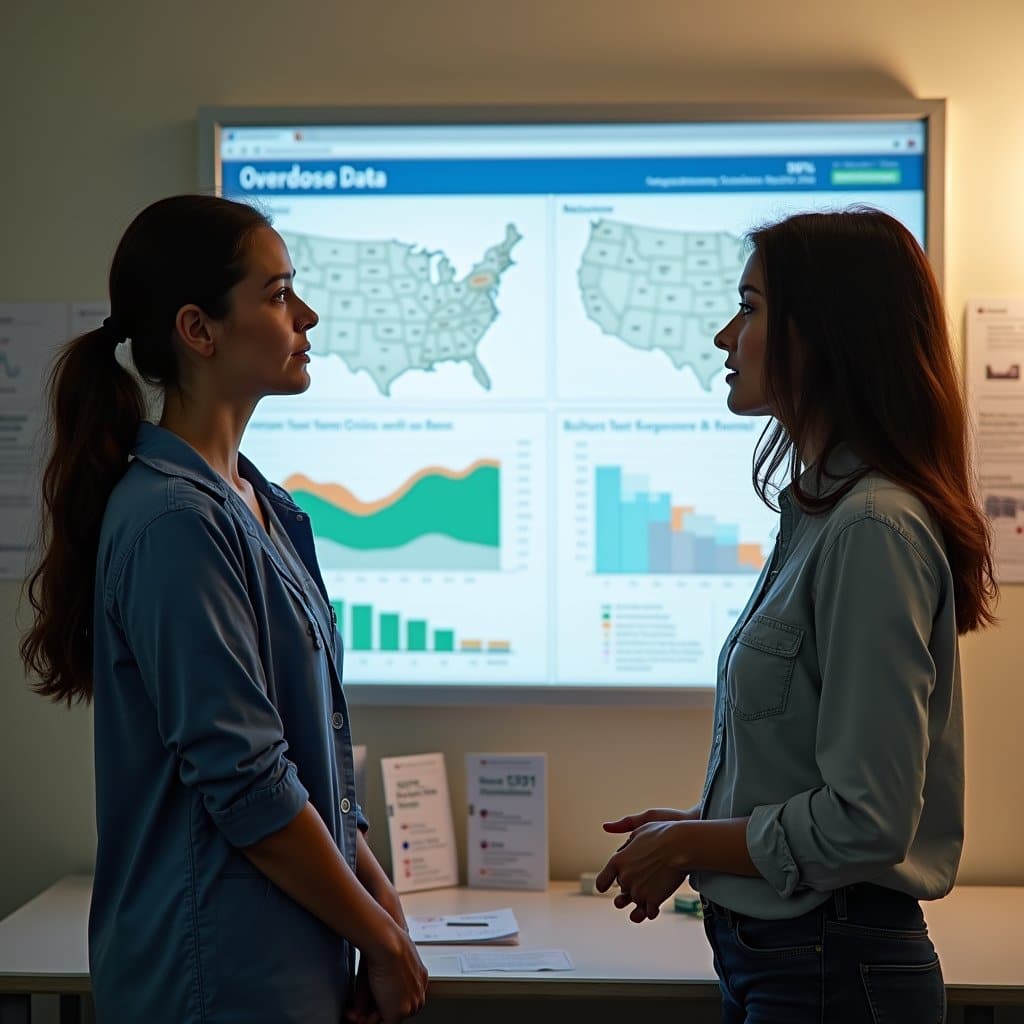
As cannabis legalization continues to expand across the United States, usage rates have shown significant growth across diverse demographic groups. Recent data indicates that 12% of American adults now use marijuana, with 52.5 million people reporting past-year consumption. These demographic shifts are particularly pronounced among younger populations, where 44% of college students and 51% of millennials have experimented with cannabis.
The increasing social acceptability of cannabis is reflected in both public opinion and policy changes, with 74% of Americans now living in areas with legal access. While men demonstrate higher usage rates at 15% compared to women at 9%, the comprehensive trend shows widespread adoption across life stages and regions. The legal cannabis market has experienced remarkable growth, reaching a value of $27 billion in 2021. Industry projections indicate adult-use consumption will continue to rise steadily through 2025.
This surge in usage coincides with 39 states permitting medical cannabis and 19 states allowing both medical and recreational use.
Risk Factors and Vulnerability Patterns
While many individuals experiment with cannabis recreationally, specific biological and environmental factors substantially increase one’s vulnerability to developing cannabis use disorder. Your neurological predispositions, combined with environmental triggers, can greatly impact your addiction risk. Research shows that approximately 30% of current users meet diagnostic criteria for cannabis addiction. Studies indicate that family history plays a crucial role, with nearly 40% of individuals who develop cannabis use disorder having relatives with mental health problems.
Cannabis addiction vulnerability stems from a complex interplay of biological hardwiring and environmental influences that shape individual risk profiles.
Key vulnerability factors include:
- Early initiation during adolescence disrupts critical brain development, doubling your risk of dependence due to compromised learning and memory formation
- Genetic variants affecting dopamine regulation and reward pathways heighten your biological susceptibility
- Pre-existing mental health conditions create self-medication patterns that accelerate dependency
- Family history and childhood trauma increase your risk through both genetic transmission and learned coping mechanisms
High-potency products and synthetic cannabinoids further amplify these risks, particularly when combined with socioeconomic challenges and increased community-level availability.
Recognizing Signs of Cannabis Use Disorder
If you’re concerned about cannabis use disorder, watch for physical withdrawal symptoms like anxiety, sleep disturbances, and decreased appetite when cannabis use is stopped abruptly.
You’ll notice a progressive loss of behavioral control, marked by failed attempts to reduce use and an inability to predict or limit consumption patterns. Medical professionals face challenges in accurate diagnosis since medical supervision of therapeutic cannabis use requires different diagnostic guidelines than recreational use. Approximately 5.8% of Americans aged 12 and older struggle with this disorder annually. These signs often accompany significant social function impairment, where cannabis use takes priority over work, relationships, and personal responsibilities, leading to noticeable declines in performance and interpersonal connections.
Physical Withdrawal Symptoms
Physical withdrawal symptoms from cannabis can manifest through multiple bodily systems, revealing the drug’s complex impact on human physiology. Cannabinoid receptor dysregulation triggers disparate physical responses that can affect your daily functioning and comfort. The severity of these symptoms often correlates with your dependence level and can lead to long term neurocognitive effects. Symptoms typically begin within 24-48 hours of discontinuing cannabis use. People who engage in dabbing high-potency marijuana may experience more intense withdrawal effects.
Common withdrawal symptoms include:
- Sleep disturbances and insomnia, particularly severe in younger users
- Gastrointestinal issues, including abdominal pain and nausea
- Thermoregulatory responses like sweating and chills
- Appetite changes leading to potential weight loss
You’ll likely experience these symptoms with varying intensity, with women typically reporting stronger gastrointestinal and thermoregulatory responses. Sleep difficulties remain the most prevalent withdrawal symptom across all user groups, while physical manifestations like tremors and headaches may accompany the withdrawal process.
Behavioral Control Loss
Recognizing behavioral control loss represents a pivotal indicator of cannabis use disorder, marked by distinct patterns of compulsive use and diminished self-regulation. You’ll notice diminished impulse control manifesting through escalating consumption despite negative consequences. Your inability to cease usage becomes evident when you prioritize cannabis over daily responsibilities and repeatedly fail to cut down despite sincere attempts. Individuals beginning cannabis use during adolescent brain development face significantly higher risks of developing control issues. Studies show that approximately 4.5 to 7 million Americans annually meet diagnostic criteria for cannabis use disorder.
| Behavior Pattern | Warning Signs | Impact |
|---|---|---|
| Compulsive Use | Unable to limit intake | Work/school disruption |
| Time Management | Excessive procurement focus | Neglected responsibilities |
| Social Impact | Withdrawal from activities | Damaged relationships |
| Risk Assessment | Dangerous situation use | Compromised safety |
| Control Attempts | Failed reduction efforts | Continued dependency |
These patterns signal a shift from recreational use to problematic consumption, requiring professional intervention to address the underlying addiction mechanisms and restore behavioral control.
Social Function Impairment
Cannabis use disorder manifests through significant disruptions in social functioning, affecting approximately 9.3% of regular users who experience deteriorating relationships and declining participation in meaningful activities. The condition creates pervasive impairments across multiple domains of daily life, particularly in intimate relationship troubles and occupational performance deficits.
Social withdrawal becomes evident through decreased participation in previously enjoyed activities and avoidance of family gatherings. Occupational functioning deteriorates, with users showing reduced work productivity and increased absenteeism. Intimate relationships suffer due to emotional distancing, communication breakdown, and trust issues. Academic performance declines, particularly among daily users in educational settings.
These impairments often create a cycle of isolation, where social withdrawal leads to further substance use and supplementary relationship strain, complicating recovery efforts.
Health Consequences of Long-Term Cannabis Use
The long-term health consequences of cannabis use extend far beyond temporary intoxication, affecting multiple body systems and cognitive functions. You’ll experience respiratory issues similar to tobacco smoking, including chronic bronchitis, persistent cough, and reduced exercise tolerance. These symptoms can substantially impact your occupational performance and daily activities.
Chronic use disrupts your brain’s normal functioning, leading to memory impairment, attention deficits, and decreased motivation. Your sleep cycles may become tremendously disrupted, contributing to cognitive decline and reduced productivity.
Physical health risks include cardiovascular strain, liver complications, and recurring episodes of severe vomiting. Most concerning are the impacts on reproductive health and development, particularly in adolescents and pregnant women, where cannabis use can cause lasting neurological changes and developmental delays.
Treatment Options and Recovery Pathways
When seeking treatment for cannabis use disorder, you’ll find multiple evidence-based pathways that can support your recovery process. Patient centered care emphasizes customized treatment plans that address both psychological and physical aspects of addiction.
Key treatment approaches include:
- Cognitive Behavioral Therapy (CBT) and Motivational Enhancement Therapy (MET) to restructure thought patterns and build motivation
- Emerging pharmacological options like AEFO117, which targets CB1 receptors to reduce THC’s effects
- Integrated treatment strategies combining therapy and medication for improved outcomes
- Specialized care for co-occurring conditions, as 73.8% of cases present with additional psychiatric disorders
Your recovery odyssey may incorporate multiple interventions, from coping skills training to lifestyle modifications, all supported by professional guidance and social support networks.
Modern Challenges in Cannabis Addiction Research
While treatment options continue to evolve, researchers face significant hurdles in advancing our understanding of cannabis addiction. You’ll find that data standardization challenges and cross jurisdictional policy incongruities severely limit thorough research efforts. Current surveillance systems lack funding and coordination, making it difficult to track usage patterns accurately across different regions.
Researchers struggle with unreliable THC detection methods, which can’t differentiate between recent and historical use. This limitation particularly impacts workplace safety assessments and impairment studies. The absence of standardized compliance metrics further complicates comparative research, while chronic underfunding restricts large-scale studies needed for evidence-based policy development. These obstacles, combined with fragmented data collection methods and inconsistent regulatory frameworks, create significant barriers to understanding modern cannabis addiction patterns and developing effective interventions.
Frequently Asked Questions
Can Cannabis Withdrawal Symptoms Be Life-Threatening Like Alcohol or Opioid Withdrawal?
No, you won’t experience life-threatening withdrawal symptoms when stopping cannabis use, unlike alcohol or opioid withdrawal. While physiological dependence on cannabis can cause discomfort, the severity of withdrawal symptoms is generally mild to moderate.
You may experience anxiety, irritability, sleep problems, and some physical symptoms like sweating or nausea, but these don’t pose serious medical risks. These symptoms typically peak within 2-3 days and resolve within a few weeks.
How Long Does THC Remain Detectable in Different Drug Testing Methods?
THC detection varies considerably across testing methods. In urine testing, duration depends on usage: you’ll test positive for 3 days after single use, while heavy chronic use can show up for 30+ days.
Saliva testing duration is much briefer, typically 2-24 hours for occasional users and up to 72 hours for frequent users. Blood tests detect THC for 2-12 hours after use, while hair tests can reveal usage patterns for up to 90 days.
Does Secondhand Cannabis Smoke Exposure Lead to Positive Drug Test Results?
Under typical conditions, you’re unlikely to fail a drug test from passive cannabis exposure. Standard testing thresholds (50-100 ng/mL) rarely detect secondhand smoke, even addressing occupational safety concerns.
You’d need extreme exposure like sitting in an unventilated room for hours with multiple smokers to potentially trigger a positive result. Most workplace drug screens account for minimal cross-contamination, making false positives from casual secondhand exposure statistically improbable.
Can Prescription Medications Interact Dangerously With Regular Cannabis Use?
Yes, you should be concerned about prescribed medication interactions if you regularly use cannabis. Cannabis can interfere with how your body processes medications through CYP enzyme disruption, potentially leading to increased dosage concerns.
You’re at particular risk when taking anticoagulants, CNS depressants, or anticonvulsants. Always inform your healthcare provider about cannabis use, as they may need to adjust your medication dosages or monitor you more closely for adverse effects.
How Does Cannabis Use Affect Fertility and Reproductive Health in Men?
Regular cannabis use can dramatically impact your male fertility through multiple mechanisms. You’ll likely experience a noticeable decrease in sperm production and quality, with studies showing up to 30% reduction in sperm count among frequent users.
The THC in cannabis can create reproductive hormone imbalances, affecting your testosterone regulation and sperm development. These effects can persist for several weeks after stopping use, and may impact both your fertility and sexual function.