






Alcohol detox typically lasts 3-7 days, with symptoms beginning 6-12 hours after your last drink. You’ll experience early withdrawal symptoms like headaches and tremors, followed by peak symptoms at 12-48 hours, including severe tremors and possible hallucinations. The most intense phase occurs between 48-72 hours, when life-threatening complications like delirium tremens may develop. While physical symptoms improve after day 3, psychological effects can persist for weeks or months. Understanding the full timeline helps guarantee your safety during this critical process.
Understanding the Alcohol Withdrawal Timeline
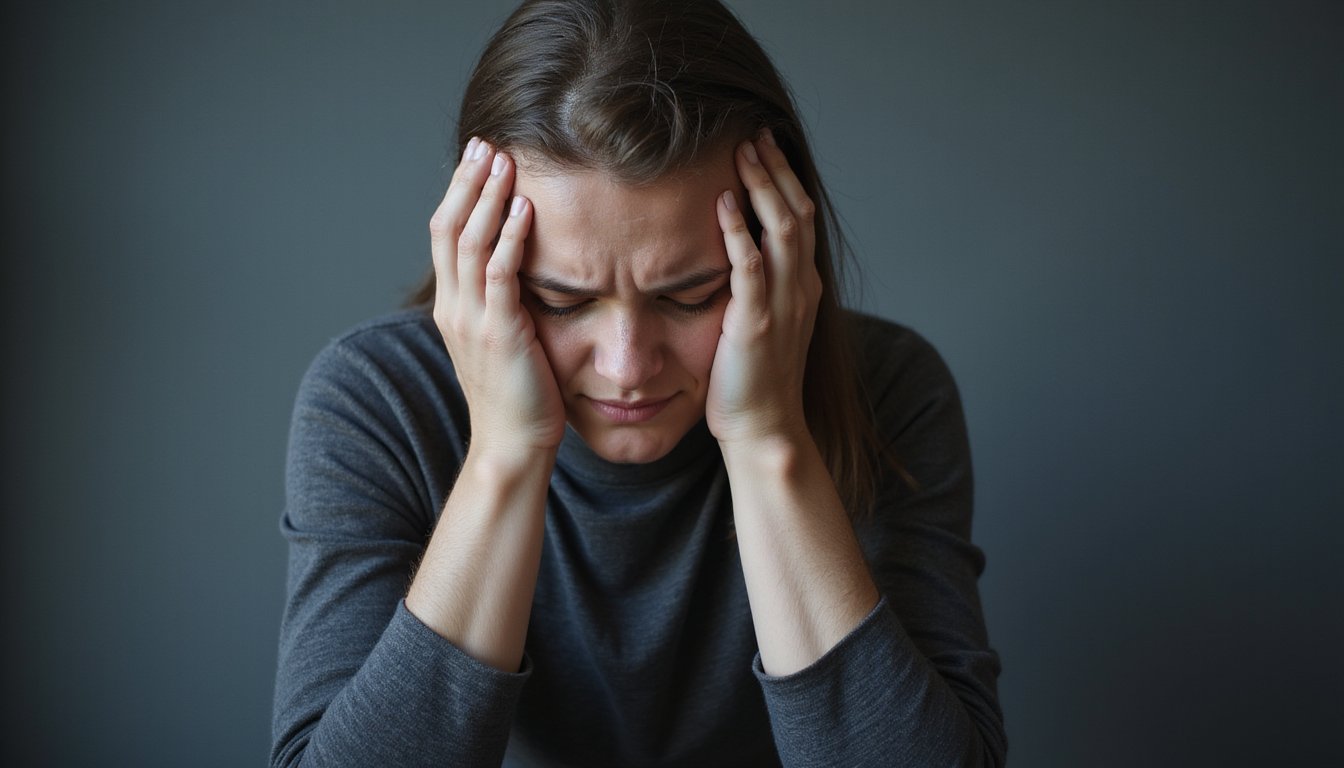
Four distinct phases mark the alcohol withdrawal timeline, with symptoms typically emerging within 6-12 hours after the last drink. You’ll experience moderate symptoms between 12-48 hours, including metabolic disruption and fluid imbalances that can trigger hallucinations, seizures, and irregular critical signs. Alcohol withdrawal syndrome affects approximately half of all individuals with alcohol use disorder who significantly reduce their drinking. Medical professionals recommend seeking treatment at a detox facility since withdrawal can be life-threatening when attempting to quit alone.
The most dangerous phase occurs from 48-72 hours, when delirium tremens may develop, especially if you’re of advanced years or have a history of heavy drinking. During this period, you’ll face the highest risk of severe complications and require immediate medical intervention. Research shows that seizure episodes occur in more than 90% of cases within the first 48 hours of alcohol cessation.
After 72 hours, symptoms begin improving over 3-7 days, though psychological effects can persist for weeks or months. Your withdrawal severity depends on factors like drinking history, stage of life, liver function, and pre-existing health conditions, making professional medical supervision essential for safety.
Early Stage Withdrawal Symptoms (6-12 Hours)
Towards the commencement, you’ll likely encounter preliminary withdrawal manifestations encompassing headache, slight distress, and perspiration. Your physical state’s response materializes through gastrointestinal disruption, hand tremors, and heightened heart rate, while your mental disposition shifts in the direction of irritability and impediment in concentration. These preliminary symptoms, despite their unease, represent your system’s innate adaptation to alcohol discontinuation and generally remain moderate during this initial stage. It’s crucial to recognize that these symptoms typically begin to appear within a few hours after consuming your last alcoholic beverage.
Initial Physical Changes
Physical changes during primary alcohol withdrawal emerge between 6-12 hours after the last drink, signaling the body’s neurochemical adjustment to alcohol cessation. You’ll likely experience tremors, sweating, and gastrointestinal distress as your autonomic nervous system becomes unstable. Your rapid heart rate and impaired concentration reflect your body’s hyperadrenergic state, while physical symptoms intensify during the opening 24 hours. These symptoms typically reach their most severe point during the 48-72 hour period after your last drink.
- Your hands may shake uncontrollably, making simple tasks feel overwhelming
- Profuse sweating can occur even in cool environments, leaving you feeling vulnerable
- Intense nausea and stomach cramping might prevent you from eating or sleeping
- Persistent headaches can make it difficult to focus or function normally
These initial symptoms typically peak within 24 hours but may persist for up to a week, depending on your drinking history and overall health condition.
Mental State Shifts
As alcohol departs your system throughout early withdrawal, significant mental and emotional changes arise within the initial 6-12 hours. You’ll experience emotional instability marked by anxiety, irritability, and rapid mood swings that can feel disproportionate to external triggers. The body experiences these symptoms because the brain stays overactive when alcohol levels drop in the system.
Your decreased cognitive abilities will manifest as reduced concentration, difficulty processing information, and general mental fog. Sleep becomes disrupted as you struggle with falling asleep and staying asleep, often accompanied by persistent restlessness. You may notice heightened sensitivity to environmental stimuli, including an exaggerated startle response to normal sounds and lights.
Depression and hopelessness commonly emerge during this phase, even if you’ve never experienced them before. These feelings, combined with mental exhaustion and reduced motivation, can make routine tasks feel overwhelming.
Common First Symptoms
When you begin withdrawing from alcohol, distinct physical symptoms emerge during the initial 6-12 hour window. The onset severity varies among individuals, but symptom progression typically follows a predictable pattern. You’ll likely experience autonomic changes, including increased heart rate and blood pressure, alongside gastrointestinal disturbances.
- Your body may react with intense headaches and uncontrollable tremors, particularly noticeable in your hands
- You’ll often feel pronounced anxiety and restlessness, making it difficult to sit still or concentrate
- Your sleep patterns will likely become disrupted, accompanied by loss of appetite and persistent nausea
- You might experience profuse sweating with clammy skin, indicating your body’s regulatory system is adjusting
These early manifestations signal the beginning of the withdrawal process and may intensify as detoxification continues.
Peak Withdrawal Phase (12-48 Hours)
During hours 12-48 of alcohol withdrawal, you’ll likely experience intensified symptoms, including severe tremors, rapid heartbeat, and excessive sweating, which require careful monitoring. You can manage physical discomfort through hydration, rest, and proper nutrition, but the emergence of hallucinations, seizures, or confusion demands immediate medical attention. If you develop severe symptoms, particularly delirium tremens which carries up to a 37% fatality rate when untreated, you must abandon home detox and seek emergency care immediately.
Dangerous Symptoms to Watch
Five critical danger signs emerge during the peak withdrawal phase, typically occurring 12-48 hours after the last alcoholic drink. During this period, you’ll face severe cardiovascular instability, including dangerous spikes in blood pressure and heart rate. Hallucinations, seizures, and acute confusion present an acute risk of harm, requiring immediate medical intervention.
- Hallucinations may affect up to 25% of moderate-to-severe cases, including visual, auditory, and tactile disturbances
- Seizures most commonly strike between 24-48 hours, with a 2-9% occurrence rate
- Profound disorientation and paranoia can rapidly progress to life-threatening delirium tremens
- Autonomic hyperactivity manifests as profuse sweating, fever, and heightened heart rate, signaling potential complications
If you experience any of these symptoms, seek emergency medical care immediately, home detox becomes extremely perilous at this stage.
Managing Physical Discomfort
While life-threatening symptoms require immediate medical intervention, managing moderate physical discomfort at home demands a systematic approach during the peak withdrawal phase. Optimizing self-care begins with maintaining adequate hydration through electrolyte-rich beverages and consuming frequent, light meals with complex carbohydrates to stabilize blood sugar levels.
For minimizing discomfort, you’ll need to address temperature fluctuations using cooling packs and wearing loose, breathable clothing. Apply gentle stretching to reduce muscle cramps, and utilize anti-nausea remedies like ginger tea for gastric symptoms. Create a quiet sleep environment and maintain a regular sleep schedule to combat insomnia. Over-the-counter pain relievers can help manage headaches when appropriate, while relaxation techniques such as deep breathing effectively reduce anxiety and physical tension.
When to Seek Help
Since the peak withdrawal phase presents the highest mortality risk, recognizing when to seek immediate medical help is indispensable during the 12-48 hour window after your last drink. Without proper home medical supervision, you’re exposing yourself to potentially fatal complications, including delirium tremens, which carries a 35% mortality rate when untreated. Emergency response preparation becomes essential as severe symptoms can escalate rapidly.
- If you experience seizures, which commonly occur around 48 hours, call 911 immediately
- When hallucinations or severe confusion develop, don’t wait; seek emergency care
- Monitor for high blood pressure, irregular heartbeat, or fever as these require urgent attention
- Contact emergency services if you’re experiencing severe agitation, heavy sweating, or persistent disorientation
These symptoms indicate life-threatening complications that require immediate professional intervention.
Final Stage and Recovery (48-72 Hours+)
During the final stage of alcohol detox, individuals face the most intense withdrawal symptoms between 48-72 hours after their last drink. You’ll need continuous medical monitoring during this period, as severe symptoms can include delirium tremens (DTs), hallucinations, confusion, and seizures. Without treatment, DTs can be fatal in up to 37% of cases. Heavy, long-term drinking significantly increases the severity of withdrawal symptoms during this stage.
While symptoms typically begin subsiding after 72 hours, you’ll still require ongoing monitoring for late-emerging complications. You’ll then enter a post-acute withdrawal phase lasting weeks to months, experiencing psychological symptoms like anxiety, depression, and insomnia. These symptoms stem from neurochemical imbalances as your brain adapts to abstinence. To support your recovery, you’ll benefit from Cognitive Behavioral Therapy, support groups, and structured follow-up care to reduce relapse risk.
Risk Factors and Warning Signs
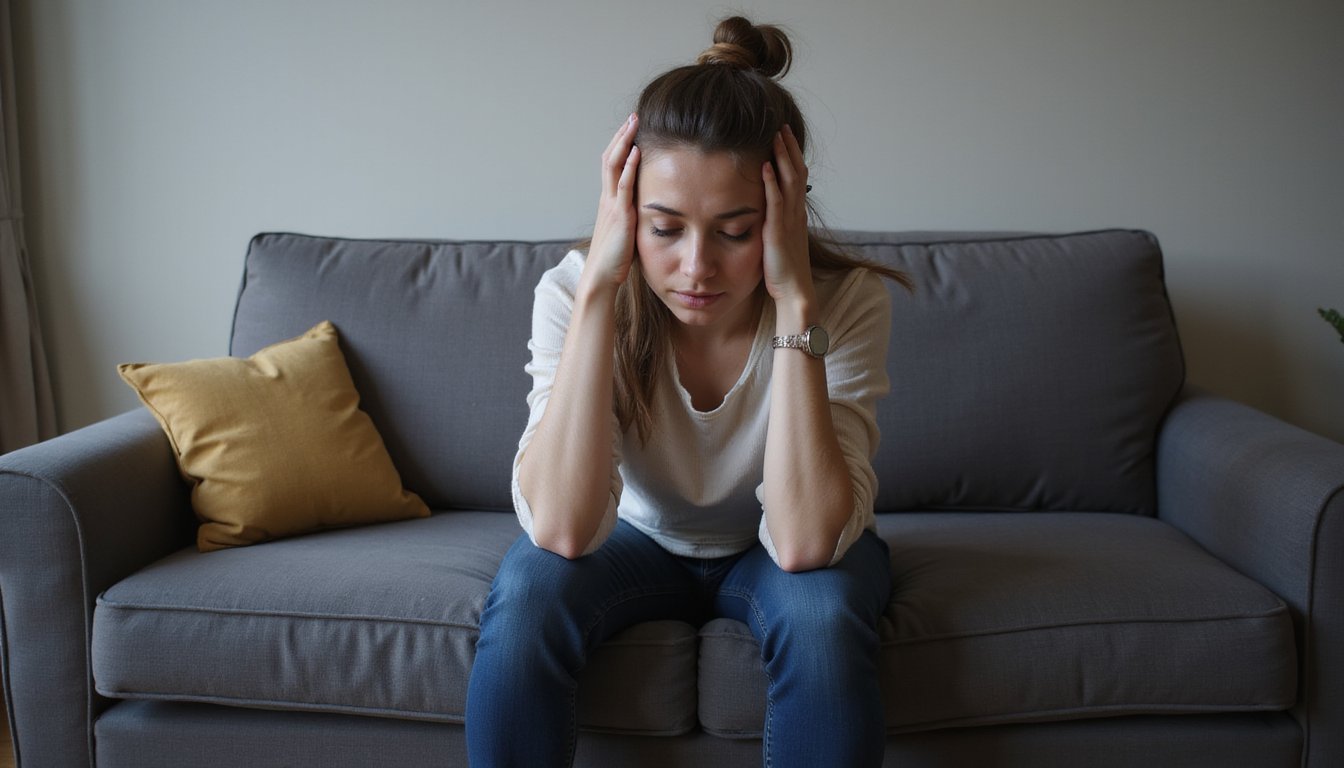
Understanding the risk factors for alcohol withdrawal is critical before attempting home detox. Genetic predisposition factors and individual metabolism variations can greatly impact withdrawal severity. If you have a history of heavy alcohol use, prior withdrawals, or co-occurring health conditions, you’re at higher risk for severe complications, including seizures and delirium tremens.
Alcohol withdrawal risks vary widely based on genetics, prior use, and overall health. Medical supervision is essential for safe detoxification.
- Hallucinations within 24 hours and seizures between 24-48 hours require immediate medical intervention
- Your risk increases exponentially if you’re older, have liver disease, or mental health conditions
- Cardiovascular instability and severe dehydration can quickly become life-threatening
- Unstable living conditions and lack of support make home detox dangerous
Monitor closely for tremors, profuse sweating, confusion, and persistent vomiting. These symptoms signal potential medical emergencies that demand professional care.
Safe Home Detox Guidelines and Precautions
While home detox can be an option for those with mild alcohol dependence, following strict safety protocols remains essential for minimizing health risks. You’ll need medical clearance before starting and should establish a structured withdrawal management plan with healthcare providers. Since historically all detox was hospitalized, carefully coordinating with medical professionals is crucial for safe home-based withdrawal. Common withdrawal symptoms like tremors and anxiety typically emerge within the first 24 hours of cessation. Withdrawal symptoms are most intense during the first 48 hours and generally improve within 3-7 days.
| Safety Requirement | Action Steps |
|---|---|
| Medical Assessment | Get liver function tests and withdrawal risk evaluation |
| Support System | Arrange 24/7 monitoring by trusted individuals |
| Emergency Protocol | Create plan for immediate medical access if needed |
During withdrawal, you’ll need to maintain proper hydration and nutrition while supplementing with B vitamins under medical supervision. Document your daily intake reduction and symptoms carefully. Remember, home detox isn’t suitable if you have severe dependence or previous withdrawal complications, in these cases, you’ll require professional medical supervision or hospitalization.
Frequently Asked Questions
Can I Take Vitamins or Supplements During Alcohol Detox at Home?
Yes, you can take multivitamin supplements and electrolyte replacements during home detox, but you must initially consult your healthcare provider. You’ll likely need B-complex vitamins, especially thiamine, to prevent neurological complications. Don’t rely solely on supplements for detox, they’re supportive tools, not treatments. If you’re experiencing severe withdrawal symptoms, stop home detox immediately and seek medical care, as supplements won’t prevent dangerous complications.
How Does Caffeine Consumption Affect the Alcohol Withdrawal Process?
You should minimize your caffeine consumption levels during alcohol withdrawal, as it can intensify anxiety, tremors, and sleep disruptions. High caffeine intake may worsen cardiovascular symptoms like increased blood pressure and heart rate. If you’re a regular coffee drinker, don’t quit caffeine completely, as supplemental caffeine withdrawal symptoms could complicate your detox. Instead, consider reducing to low or moderate amounts, especially during the acute withdrawal phase.
Is Exercising Safe During the First Few Days of Detox?
You shouldn’t exercise during the initial few days of alcohol detox due to significant health risks. Your body is already under stress with increased heart rate and potential dehydration from withdrawal symptoms. You’re also at heightened risk for seizures, falls, and cardiovascular complications during this period. Instead, focus on rest and hydration until you’re medically stable. Only resume physical activity after consulting your healthcare provider, typically after 3-10 days of detox completion.
Should I Tell My Employer I’m Going Through Alcohol Detox?
You’ll need to carefully weigh the decision to disclose detox progress to your employer. If your withdrawal symptoms could affect workplace safety or performance, it’s advisable to inform your supervisor or HR department. You’re legally protected under ADA and FMLA for medical leave, and employers must maintain confidentiality. Consider using your company’s Employee Assistance Program for confidential guidance on how to maintain work productivity while managing your recovery process.
What Foods Are Best to Eat During Alcohol Withdrawal?
During alcohol withdrawal, you’ll want to focus on nutrient-rich foods that support your recovery. Prioritize whole grains like oats and quinoa to stabilize blood sugar and replenish B vitamins. Include fresh fruits, especially citrus and berries, for vitamin C and antioxidants. Lean proteins, such as fish and eggs, help repair tissues and maintain energy levels. Consider bone broth if you’re experiencing nausea, as it’s easily digestible and rich in electrolytes.